Feeding & Nutrition
What to Feed Backyard Chickens: A Complete Guide
Learn exactly what to feed backyard chickens at every life stage, from chick starter to layer pellets, plus safe treats, grit, and foods to avoid.
Feeding backyard chickens well doesn't have to be complicated. A quality commercial feed matched to your flock's age, a constant supply of fresh water, and a handful of smart supplemental choices will cover 95 percent of what your birds need. The tricky part is knowing which feed to buy when, what extras actually help, and what common kitchen items will land a bird in trouble.
At a Glance
- Match feed to life stage: starter (0–8 weeks), grower (8–18 weeks), then layer once hens are actually laying, roughly 18 weeks and older.
- A standard layer ration needs a minimum of about 3 percent calcium and roughly 16 percent protein; check the tag, not just the bag color.
- Treats and scratch grains should never exceed 10 percent of daily intake. Everything past that dilutes a diet the feed manufacturer already balanced.
- Grit and oyster shell are two different supplements with two different jobs. Neither substitutes for the other.
- Never feed avocado, raw dried beans, chocolate, or anything moldy. A handful of common foods are genuinely dangerous, not just "not ideal."
- Free-choice water matters as much as feed. A hen can go a day without much appetite; she can't go a day without water and keep laying normally.
The Foundation: Commercial Feed
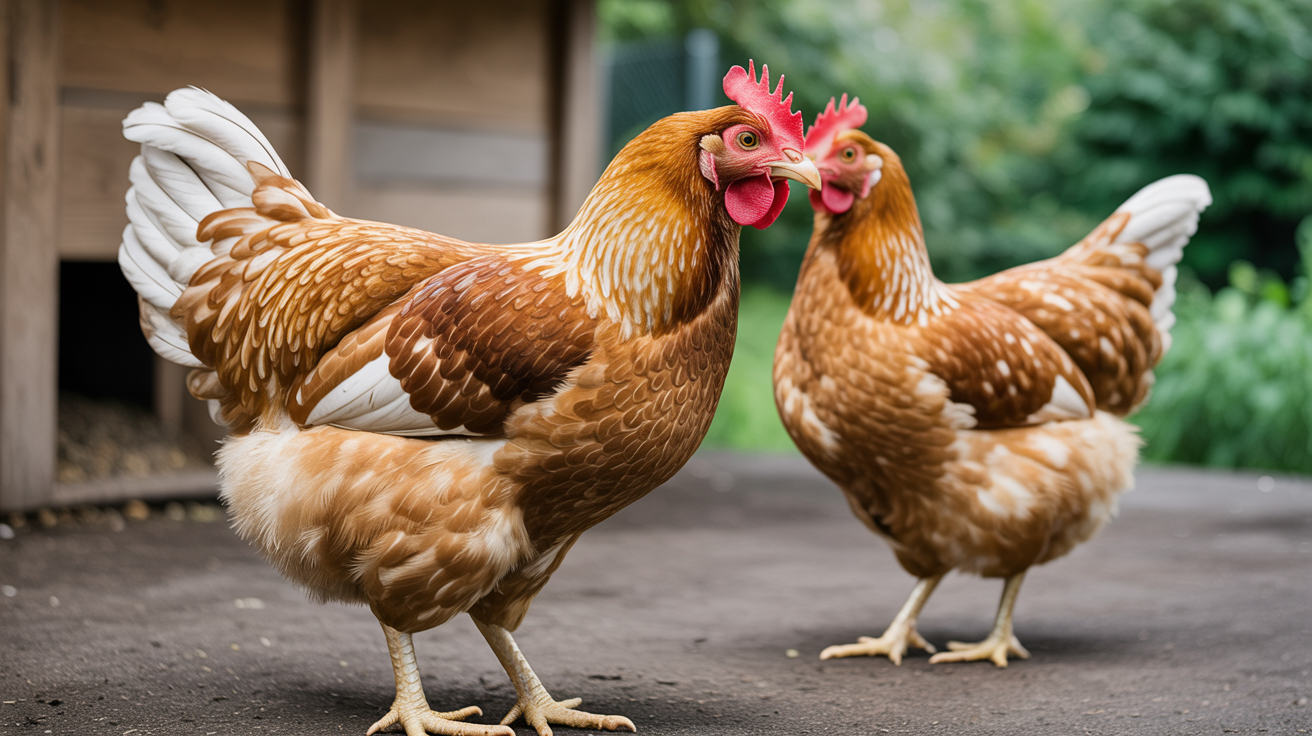
Commercial poultry feed is engineered to be nutritionally complete. That means a chicken eating a quality pellet or crumble doesn't need much else to stay healthy and productive. The catch is matching the right formula to the right bird, and getting that wrong in either direction (too little protein for a growing pullet, too much calcium for a young bird) causes real problems down the line.
Feeds come in three main forms: pellets (easiest to manage, least waste), crumbles (smaller pieces, good for younger birds transitioning off starter), and mash (fine powder, higher moisture loss, can get sticky). Most keepers settle on pellets for adult hens once they're past about 8 weeks old. Mash has a place too: some keepers ferment it (more on that below), and it's occasionally preferred for very young chicks who have trouble managing a crumble.
For a detailed breakdown of which formula goes at which stage, check out our guide on layer feed vs. starter vs. grower and when to use each.
Feed Type by Life Stage at a Glance
| Stage | Age | Protein target | Calcium |
|---|---|---|---|
| Chick starter | 0–8 weeks | 18–20% | Low (not layer-level) |
| Grower | 8–18 weeks | ~16% | Low, intentionally |
| Layer | 18+ weeks, actively laying | 15–18% | 3.0–4.5% |
| All-flock / flock raiser | Any age, mixed flock | 18–20% | Low; offer oyster shell separately |
Chick Starter (Weeks 0–8)
Newly hatched chicks need a high-protein starter feed, typically 18 to 20 percent protein. This supports rapid feather development and muscle growth, and chicks that come up short on protein in these first weeks rarely fully catch up in size later. Chick starter comes in medicated and unmedicated versions. Medicated starter contains amprolium, which helps prevent coccidiosis (a potentially fatal intestinal parasite infection common in young birds). If your chicks were vaccinated for coccidiosis at the hatchery, skip the medicated feed to avoid interfering with the vaccine.
Feed starter free-choice (always available) for the first 8 weeks. Chicks eat frequently and in small amounts, so an empty feeder for even a few hours can set growth back.
Grower Feed (Weeks 8–18)
Once chicks are fully feathered and living outdoors, switch to a grower formula at around 16 percent protein. This supports steady growth without pushing hens to lay before their bodies are ready. Calcium in grower feed stays intentionally low because young pullets can't process the higher levels found in layer feed. Too much calcium before laying age can stress their kidneys, and the damage isn't always reversible once it's done.
Layer Feed (18 Weeks and Older)
Layer feed is formulated for actively laying hens. Protein sits around 15 to 18 percent, and crucially, calcium content is bumped up. Mississippi State's poultry nutrition guidance sets a minimum of 3.0 percent calcium in a complete layer ration to support strong eggshell production, with many commercial layer feeds running closer to 3.5 to 4.5 percent. Hens making eggs daily pull a lot of calcium from their bones if their diet doesn't supply enough. Thin-shelled or shell-less eggs are one early sign of deficiency, and it shows up in the egg basket well before it shows up in the bird's general condition.
Keep layer feed available at all times. Chickens self-regulate their intake reasonably well; the same nutrition guidance puts average consumption at about a quarter to a third of a pound of feed per day per hen, depending on weather, bird size, and how heavily she's laying.
All-Flock or Flock Raiser Feed
If you keep a mixed flock (roosters, growing birds, and laying hens together), an all-flock formula at about 18 to 20 percent protein is a practical solution. It's appropriate for all ages and sexes. With this approach, offer free-choice oyster shell on the side so laying hens can supplement their own calcium as needed, while roosters and non-laying birds simply ignore it.
Grit and Oyster Shell: Two Supplements That Matter
These two items get lumped together but serve completely different purposes, and running out of either one shows up fast in your birds' health and egg quality.
Grit is small, coarse particles (granite or flint) that chickens swallow and store in their gizzard. The gizzard grinds food against the grit to break it down before digestion. Chickens have no teeth, so the gizzard is doing all that mechanical work. If your chickens eat anything other than crumbles and pellets (scratch grains, vegetables, grass, insects), they need access to grit. Birds on pasture often pick up enough naturally by pecking at gravel and dirt, but confined birds or those on hard floors should get free-choice grit in a small dish. Grit comes in chick-size (for birds under 8 weeks) and standard size (for older birds). Using the wrong size doesn't help the gizzard do its job.
Oyster shell is a calcium supplement for laying hens. It's separate from grit and serves a totally different function. Offer it free-choice in its own small container next to the waterer so hens can take what they need, when they need it. A hen with low calcium will start pulling minerals from her own bones to keep making eggs. You'll see thinner shells, then shell-less eggs, then physical decline if it continues. Roosters and young pullets don't need the extra calcium, which is one reason all-flock feed plus free-choice oyster shell is often the cleanest system for mixed flocks.
Read more about how these two work and when each matters in our guide on whether chickens need grit and oyster shell.
Water: The Most Critical Input
Water gets underestimated. A laying hen drinks 500 ml to 600 ml per day (roughly 2 cups) under normal temperatures, and that number climbs sharply in heat above 85°F, sometimes doubling. Egg production drops within hours of water deprivation, faster than it responds to almost any feed problem.
Practical basics:
- Clean waterers daily, since algae and fecal contamination build up fast
- Use nipple waterers or cups to reduce mess and bacterial load
- In winter, heated waterers (or changing water twice daily) prevent freezing
- In summer, position waterers in shade and check levels midday, since warm standing water gets fouled faster and birds drink less of it
Electrolyte supplements added during heat waves can help, but they shouldn't replace good management. A shaded, clean, frequently topped-up waterer does more for a flock than an occasional electrolyte packet in an otherwise neglected setup.
Treats and Kitchen Scraps
Treats are where most keepers run into trouble. It's not that treats are harmful; it's that too much of the wrong thing unbalances a diet the feed manufacturer already optimized. The standard rule is that treats should make up no more than 10 percent of daily food intake. For a flock of 6 hens, that's a modest handful of extras per day, not a mixing bowl.
Good options:
- Cooked or raw vegetables (leafy greens, squash, carrots)
- Plain cooked grains (oats, rice, barley)
- Mealworms (dried are fine, in moderation; they're high in protein but also high in fat)
- Watermelon and other fruits as summer treats
- Plain, unflavored cooked egg (yes, cooked egg fed back is fine and protein-rich)
For a thorough rundown of what's safe and what isn't, see our complete list of safe treats and kitchen scraps for chickens.
What to Avoid
Some common foods cause real harm:
| Food | Why It's Dangerous |
|---|---|
| Avocado (flesh, pit, skin) | Contains persin, toxic to birds |
| Raw dried beans | Contain phytohaemagglutinin, potentially lethal |
| Onions and garlic (large amounts) | Can cause hemolytic anemia |
| Chocolate or candy | Theobromine toxicity |
| Anything moldy or rotten | Mycotoxins cause serious illness |
| Salty processed foods | Kidneys can't handle high sodium |
| Green potato skins | Solanine is toxic |
| Citrus in large amounts | Can reduce calcium absorption over time |
If you suspect a bird has eaten something toxic, contact a poultry veterinarian or your local agricultural extension office rather than waiting to see if symptoms develop. Vomiting isn't something chickens can do, so a bird that's ingested something dangerous can go downhill before an obvious warning sign appears.
Scratch Grains: A Treat, Not a Feed
Scratch is a mix of cracked corn and whole grains. Chickens love it. It is not a complete feed and shouldn't substitute for one. It's low in protein (often under 10 percent), has no balanced calcium, and dilutes the nutrition of the feed you're already paying for. Poultry extension guidance is direct on this point: diets diluted with too much scratch or too many treats are a documented, common cause of reduced egg production, because the bird fills up on low-value calories instead of the balanced ration.
Use scratch as a training reward, a cold-weather afternoon snack (the digestion generates a little extra body heat overnight), or just a way to encourage foraging behavior. A small handful scattered in the run is plenty for a flock of 6.
Feeding Chickens That Free-Range
Pasture access doesn't eliminate the need for complete feed. It supplements it. Hens on good grass and bugs will eat noticeably less pellet (some studies suggest 20 to 30 percent less), but they rarely meet all their nutritional needs from forage alone, especially in winter when the ground is bare. Keep feed available even when birds are out during the day, and make sure laying hens can always access layer-appropriate nutrition.
The quality of pasture matters too. Lush, diverse ground with clover, grass, and insect activity is meaningfully different from a bare dirt run. If your birds have genuinely rotated, productive pasture, they're pulling in protein from insects, calcium from mineral-rich soil, and vitamins from fresh greens. If the run is mostly worn dirt, they're getting very little from foraging and you shouldn't reduce their feed accordingly.
One thing to watch: free-ranging birds usually self-source grit from the ground. But if your soil is very sandy or your birds are foraging on concrete or wood chips, supplemental grit is still smart. Thin-shelled or soft eggs are the first sign that something is off in the calcium or nutrition picture, and they're worth investigating rather than chalking up to a bad day.
Free-ranging also changes how much you can trust the "quarter pound a day" rule of thumb. A flock with excellent pasture in late spring might genuinely eat 20 to 30 percent less pelleted feed for a few weeks, then swing right back to full consumption once forage thins out in late summer or a hard frost hits. Rather than guessing, weigh what you put out and what's left at the end of the day for a week during each season. That gives you an actual number for your setup instead of a national average that assumes a bare dirt run.
Seasonal Adjustments to Feeding
Chickens' nutritional needs shift somewhat with the seasons, and a keeper who feeds the same way year-round may be leaving birds under-served at certain times.
Summer: Heat stress suppresses appetite. Hens eat less feed but drink much more water. Egg production often dips in extreme heat. Offering feed in the cooler morning and evening hours (rather than midday heat) can improve intake. Frozen treats (watermelon chunks, frozen corn, ice blocks with vegetables inside) help birds cool down and stay hydrated.
Winter: Cold weather increases caloric demand. Birds burn more energy maintaining body temperature, especially at night. A small serving of scratch grains in the late afternoon (not more than 10 to 15 percent of the day's food) gives birds extra calories to generate heat while roosting overnight. Extended dark hours also suppress laying, though good lighting (14 to 16 hours per day via a simple timer and low-wattage bulb) can maintain production through winter.
Molting: Most laying hens go through a full molt once a year, usually in fall. During molt, all laying stops and the bird channels protein into regrowing feathers. This is a good time to temporarily switch to a higher-protein feed (18 to 20 percent) or supplement with dried mealworms. Don't stress a molting hen by adding new flock members, handling, or changes to the environment. She needs calm and good food to push through quickly. Most molts take 8 to 12 weeks.
Frequently Asked Questions
Can I feed chickens table scraps every day?
Small amounts of appropriate scraps daily are fine. The issue is quantity and type. Stick to the 10 percent rule (scraps no more than 10 percent of total daily intake) and avoid the foods on the "avoid" list above. Bland vegetables, plain cooked grains, and small protein sources are better choices than bread, chips, or processed food.
Do roosters need different feed than hens?
Roosters don't lay eggs, so they don't need the extra calcium in layer feed. Feeding a rooster straight layer feed long-term can strain his kidneys over time. If you have a rooster in a mixed flock, feeding everyone an all-flock formula with oyster shell on the side protects him from long-term calcium overload while keeping your hens covered.
Why have my hens stopped eating as much?
Several things can reduce feed intake: heat stress (birds eat less when hot), molting (energy redirects, appetite drops), illness, or a change in feed brand or formula. If intake drops and birds look lethargic or you see other symptoms, consult a poultry vet or extension office.
How do I switch feeds without upsetting the flock?
Transition over 7 to 10 days by blending increasing proportions of the new feed into the old. An abrupt switch can cause loose droppings and reduced intake as birds adjust to different texture or flavor.
Is fermented feed worth the effort?
Fermented feed can improve digestibility and may reduce feed consumption by 20 to 30 percent as birds extract more nutrition per mouthful. It also provides beneficial bacteria. It takes 2 to 3 days to prepare and needs daily management to avoid spoilage. Many keepers find it worthwhile in winter when birds are confined; others skip it as too much work for a modest gain. There's no welfare requirement to ferment. A quality dry feed fed correctly is complete nutrition on its own.
How much does it cost to feed a small backyard flock?
For a flock of six hens eating a quarter to a third of a pound each per day, that works out to roughly 9 to 12 pounds of feed a week. At typical layer feed prices, most keepers land somewhere between 15 and 30 dollars a month depending on feed quality and local pricing, with pasture access and homegrown scraps trimming that somewhat without ever eliminating the need for a complete feed.