Getting Started
A Beginner's Checklist Before Bringing Chickens Home
A practical backyard chicken checklist covering legality, housing, feed, and flock health so new owners are ready before the first bird arrives.
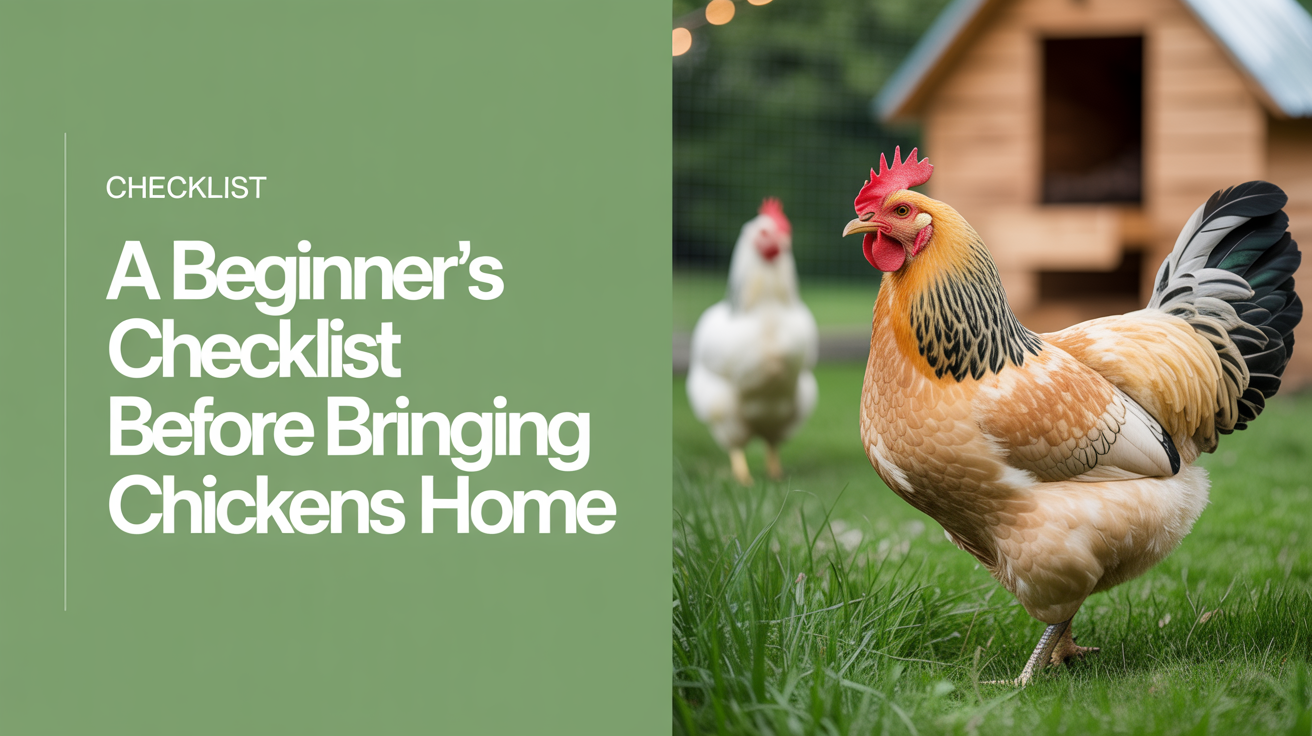
Bringing chickens home is exciting. It is also the kind of thing that goes sideways fast when you skip the preparation. A pullet dropped into a half-finished coop, or a brooder set up the night before chicks arrive, tends to create a stressful first week for bird and keeper alike. Working through a solid backyard chicken checklist before you commit means fewer emergencies and more time enjoying the birds once they are settled.
This guide walks through every major item a new chicken owner should verify or have in hand before the first bird crosses your property line.
Check the Rules Before You Do Anything Else
Nothing on this list matters if keeping chickens where you live turns out to be illegal or heavily restricted. Zoning laws, HOA rules, and municipal codes vary widely. Some areas allow a small laying flock but prohibit roosters. Others cap flock size, require minimum setbacks from property lines, or ban chickens outright in residential zones.
Spend an hour on this step first. Call your city or county planning office, pull up your HOA documents if you have one, and check whether your county requires a livestock permit even for a backyard flock. Are backyard chickens legal? How to check local rules covers exactly how to work through this process without guessing.
If your area is permissive, write down the specific restrictions so you stay inside them as the flock grows.
Housing: What Needs to Be Ready Before Pickup Day
Chickens need secure, dry shelter from their first night. Building or buying a coop after the birds arrive is a recipe for scrambling, so everything below should be finished and tested before you pick up your flock.
Coop structure and ventilation. The structure needs to keep rain out, allow airflow without drafts at roost height, and be completely predator-proof. Check every seam. Raccoons work latches, and small gaps that look harmless during the day become entry points at night.
Roost bars. Adult birds sleep on roosts, not in nest boxes. Aim for roughly 8 to 10 inches of bar space per bird, positioned higher than the nest boxes so the birds prefer the roost at bedtime.
Nest boxes. Plan on one box for every three to four hens. Nest boxes should be dark and a bit recessed. Mount them lower than the roost bars.
Bedding. Have several inches of pine shavings, straw, or similar absorbent material on the coop floor before the birds arrive. Deep-litter bedding needs to be dry to work.
Secure run. If birds will have access to a run, verify the perimeter. Hardware cloth is much more effective than chicken wire against most predators. Bury the bottom edge at least a foot out and down, or use an apron laid flat on the ground, to stop digging.
Feeder and waterer placement. Hang or elevate both to keep shavings and droppings out of the feed and water. Test that they work before the birds arrive and that you can fill them without removing them entirely.
Feed, Water, and Supplies
A new chicken owner checklist should include not just the hardware but the consumables you need on hand from day one.
Starter feed for chicks, or layer feed for adults. Chicks under 16 to 18 weeks need a chick starter or grower ration. Layer pellets or crumbles are formulated for laying hens and contain calcium levels appropriate for egg production. Do not feed layer rations to young chicks; the calcium load is too high for developing kidneys. If you are starting with adult hens, have layer feed stocked before you pick them up.
Grit. Chickens have no teeth. They use grit stored in the gizzard to grind feed and anything else they eat. Chicks on chick starter do not strictly need grit if they are not eating anything beyond that feed, but once birds have access to treats, scratch, or range foraging, grit becomes necessary. Keep insoluble granite grit available free-choice.
Oyster shell. Laying hens need supplemental calcium beyond what is in layer feed. Keep a separate dish of crushed oyster shell available at all times once birds start laying.
Bedding stock. You will go through more bedding than you expect. Have at least one extra bag of shavings on hand.
Feed storage. Loose feed bags attract rodents. A galvanized metal trash can with a snug lid stores 50 pounds of feed cleanly and keeps pests out.
First-aid basics. Before birds arrive, put together a small kit: poultry wound spray or Vetericyn, styptic powder, latex gloves, a small syringe for oral dosing, and a note with your nearest poultry veterinarian's contact information. You may not need it for months, but you will be glad it exists the first time you do.
Plan for Your Flock Size and Budget
How many chickens do you actually want, and can you afford to keep them long term? How much does it cost to keep backyard chickens breaks down startup and ongoing costs in detail. The short version: costs add up faster than most people expect, and feed, bedding, and veterinary care are ongoing, not one-time expenses.
A small flock of three to four hens is manageable for most backyards and produces more eggs than a typical household needs. Starting small also means less pressure on the coop build and lower upfront costs.
Think through what you will do with excess eggs, what happens when a bird is injured or ill, and what your plan is if you travel. Chickens need daily water and feed, and someone has to close the coop door at dusk even when you are away.
Before Pickup: A Final Walk-Through
A day or two before you bring birds home, do a full walk-through with the following in mind.
Run water to the waterer and watch for leaks. Fill the feeder and make sure it dispenses correctly. Walk the perimeter of the run at ground level looking for gaps. Open and close the coop door latch several times; the mechanism should work smoothly and latch firmly. Check that the roost bars are stable and that the nest boxes are accessible to you for daily egg collection.
If you are picking up day-old chicks rather than adult birds, confirm your brooder is ready: a heat lamp or brooder plate, a thermometer showing 90 to 95 degrees Fahrenheit at chick level for the first week, a shallow water dish with marbles or small stones so young chicks cannot drown, and chick starter feed in a small feeder. Backyard chickens for beginners: what to know before you start covers the full picture for anyone still weighing whether chickens are right for their situation.
If anything on the checklist is not done, the birds can wait another few days. Rushing the setup to meet a delivery date is how most early problems start.
Frequently Asked Questions
How long before chickens arrive should I have everything ready?
Ideally, the coop, run, feed, bedding, and water setup should all be finished at least two to three days before pickup. That gives you time to find and fix any problems before the birds are in it. Doing a dry run with the waterer and feeder in place is worth the extra time.
Do I need a rooster to get eggs?
No. Hens lay eggs regardless of whether a rooster is present. You only need a rooster if you want fertilized eggs for hatching chicks. Many municipalities that allow hens prohibit roosters, so check your local rules before you consider adding one.
How much space does a small flock need?
A common starting point is 4 square feet of coop floor space per bird and 8 to 10 square feet of outdoor run per bird. More space is nearly always better, especially in climates where birds spend more time confined during winter. Crowded birds are more prone to feather pecking and stress-related health issues.
What if a bird seems sick shortly after I bring them home?
Some respiratory sounds, lethargy, or changes in droppings in the first few days can be stress-related adjustment issues. Keep new birds quarantined from any existing flock for at least 30 days regardless. If symptoms persist beyond a day or two or a bird stops eating and drinking entirely, contact a poultry veterinarian or your local agricultural extension office. Do not wait and see with a bird that is clearly declining.
Can I mix breeds in one flock?
Generally yes. Most standard laying breeds coexist without serious problems. Flock dynamics settle over time through a pecking order, which is normal. Watch for any bird being excluded from feed or water or being persistently bullied, and have a plan to separate a bird that is being targeted if needed.