Getting Started
Backyard Chickens for Beginners: What to Know Before You Start
New to keeping chickens? Learn the essentials: breeds, coop space, feed, legal rules, and real costs before you buy your first flock.
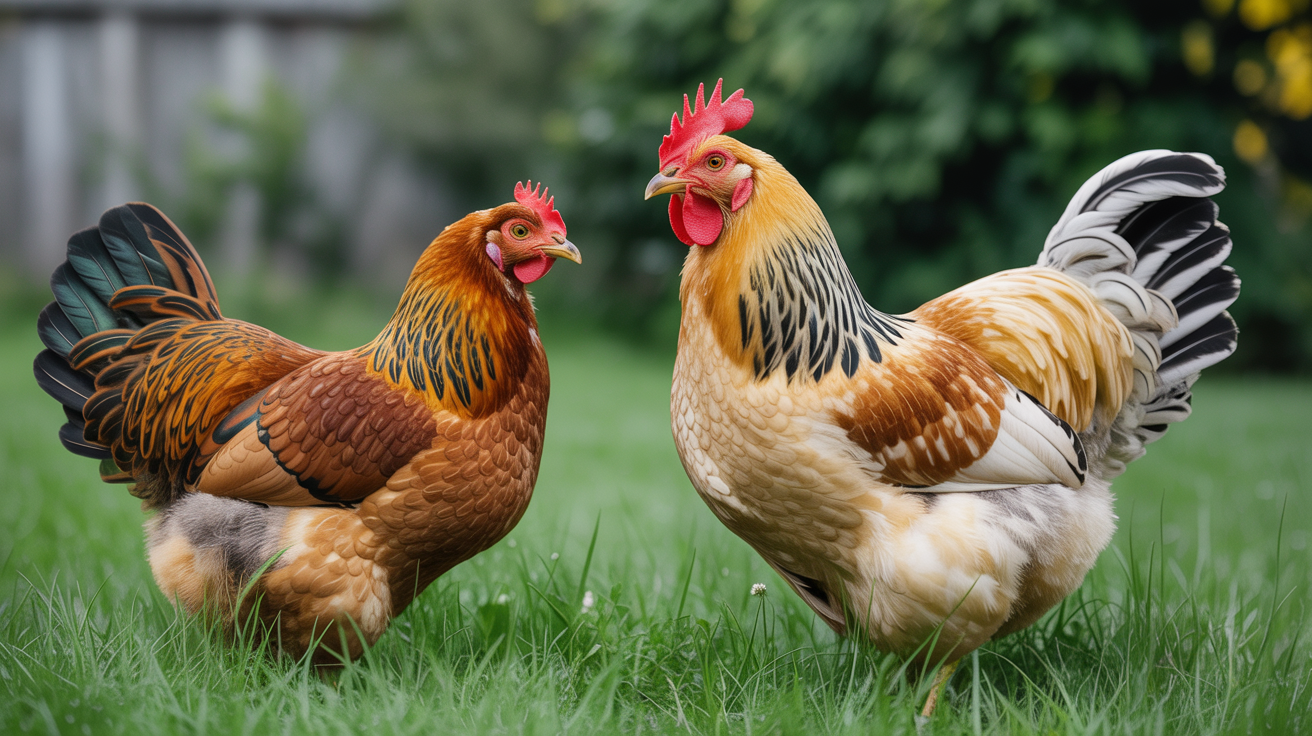
Getting chickens is a lot of fun, and the payoff of fresh eggs from your own yard is genuinely satisfying. Before you order a box of chicks, though, there are a handful of things worth sorting out first. The surprises that catch new keepers off guard are almost always the ones that could have been avoided with a week of planning.
At a Glance
- Check local ordinances before you buy anything; zoning violations are the single most common reason keepers end up rehoming birds.
- Start with 3 to 5 hens: enough for a household's egg needs, small enough to manage as a first flock.
- Budget 4 square feet of coop space and 8 to 10 square feet of run space per bird, minimum.
- Feed changes by life stage: starter (18–20% protein) to grower (15–16%) to layer (16% plus calcium) at roughly 18 weeks.
- First-year costs run $400–$1,500+ depending on coop choice; ongoing costs settle around $30–$45/month for 4 hens.
- Daily health checks catch problems early; chickens are prey animals and hide illness until it's advanced.
Check the Rules First
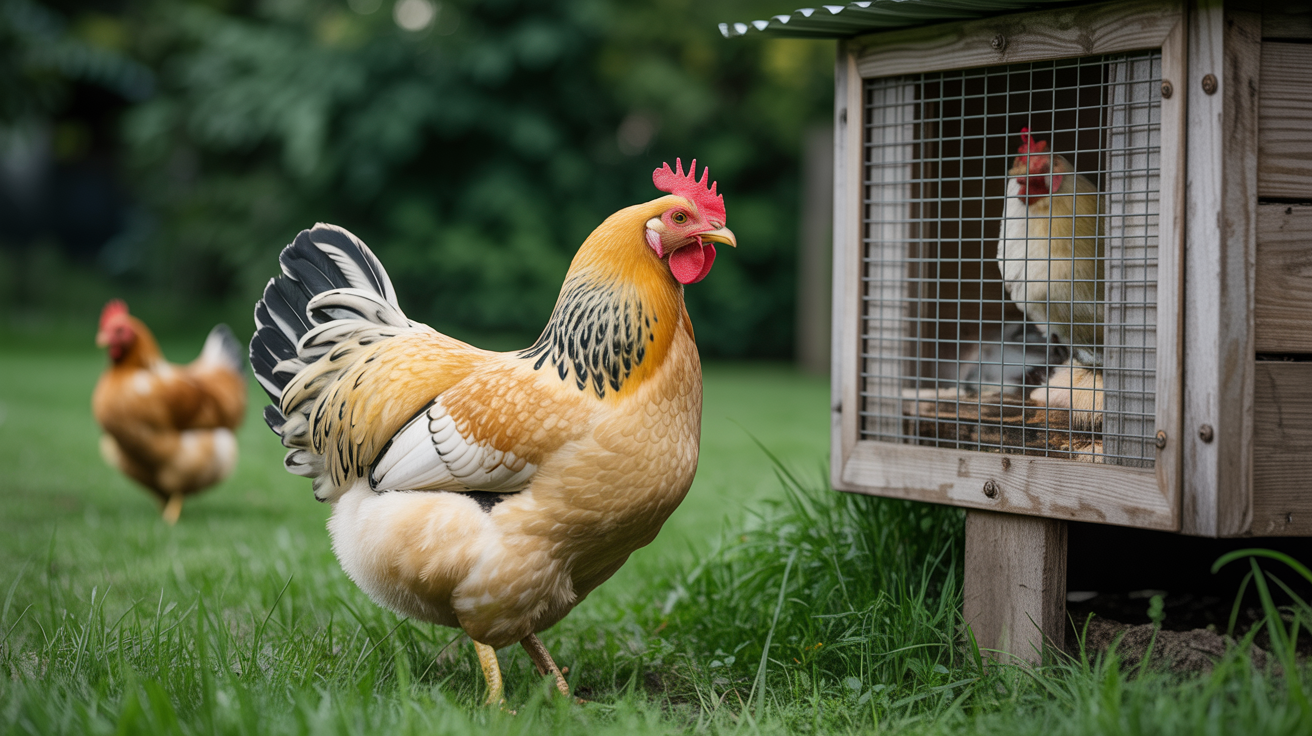
Local ordinances trip up more first-time chicken keepers than anything else. Many cities and towns allow hens but prohibit roosters; others cap the number of birds, require minimum lot sizes, or demand setback distances from property lines and neighboring homes. A handful of municipalities ban backyard poultry outright.
Penn State Extension's introduction to raising poultry puts this first for a reason: check local ordinances, zoning laws, and property association rules before spending a dollar on birds or equipment. Their companion guide on raising fowl in urban areas adds a useful specific: many municipalities set setback requirements around 25 feet from property lines in urban settings, rising to 100 feet in rural zoning, though the exact number varies by jurisdiction, so treat that as a ballpark rather than a rule to rely on.
Before you spend a dollar on birds or equipment, look up your municipal code (search "your city chicken ordinance") and call your county extension office if the language is unclear. HOAs often add their own layer of restrictions on top of local law. Getting this right from the start saves the heartbreak of rehoming birds you've already bonded with. For a step-by-step guide to researching your local rules, see how to check local chicken-keeping laws.
How Many Chickens Should You Start With?
Three to five hens is the sweet spot for most beginners. It's small enough to manage without feeling overwhelmed, but large enough to give you 15 to 25 eggs per week from healthy layers, which is plenty for a household of four. Chickens are social animals and don't do well alone, so two is the bare minimum, never one.
Resist the urge to start big. More birds means more feed, more coop space, and more mess than most people anticipate. You can always add to the flock later once you have a season of experience under your belt. See our full breakdown of how many chickens to start with as a beginner.
Choosing the Right Breeds
Not all chickens behave the same, and breed matters more than most beginners expect. For a first flock, prioritize dual-purpose breeds known for calm temperaments and steady egg production.
Good beginner breeds:
| Breed | Eggs per year (approx.) | Temperament | Cold-hardiness |
|---|---|---|---|
| Rhode Island Red | 250–300 | Friendly, active | Good |
| Plymouth Rock (Barred) | 200–280 | Docile, curious | Excellent |
| Buff Orpington | 180–220 | Gentle, broody-prone | Excellent |
| Easter Egger | 200–280 | Playful, friendly | Good |
| Black Australorp | 250–300 | Calm, quiet | Good |
Avoid highly flighty or skittish breeds. Leghorns, for example, are excellent layers but can be intense and high-strung, which makes them harder to manage in a mixed backyard flock. Steer clear of roosters unless you specifically want to hatch eggs and your local rules allow them.
Order chicks from a hatchery that tests for Marek's disease and other common poultry diseases, and ask for vaccinated chicks. Getting them vaccinated at the hatchery is far easier and less stressful than dealing with an outbreak later.
Coop Space and Setup
The coop is the single most important investment you'll make. A cramped coop causes stress, feather pecking, and disease, and those problems cost far more to fix than the extra materials to build properly from the start.
Minimum space requirements
- Inside the coop: 4 square feet per bird. For 4 hens, you need at least 16 square feet of interior floor space.
- Outdoor run: 10 square feet per bird, minimum. More is always better. Birds that free-range part of the day are noticeably calmer and healthier.
- Roosting bars: 8 to 12 inches of bar length per bird, positioned at least 18 inches off the floor.
- Nest boxes: One box per 3 to 4 hens. Standard size is 12 by 12 inches. More than that and hens often pile in together anyway. Mount boxes lower than the roost bars and in a dim, quiet corner, or hens will sleep in them instead of laying.
The table below sizes a coop and run for common starter flock sizes, so you can plan the build before you commit to a footprint:
| Flock Size | Min. Coop Interior | Min. Run Space | Roost Bar Length |
|---|---|---|---|
| 3 hens | 12 sq ft | 30 sq ft | 24–36 inches |
| 4 hens | 16 sq ft | 40 sq ft | 32–48 inches |
| 5 hens | 20 sq ft | 50 sq ft | 40–60 inches |
| 6 hens | 24 sq ft | 60 sq ft | 48–72 inches |
Ventilation over insulation
New keepers often over-insulate and under-ventilate. Chickens generate a lot of moisture through breathing and droppings, and a poorly ventilated coop gets damp and ammonia-laden fast. Both conditions cause respiratory problems. Position vents high on the walls (above roosting height) so birds aren't in a direct draft but stale air can still escape. In most climates, chickens handle cold fine as long as the coop is dry and draft-free. A rough sizing target is 1 square foot of vent opening per 10 square feet of floor, more in humid climates, positioned above roost level on at least two walls for cross-airflow.
Predator-proofing
Hardware cloth (welded wire mesh, half-inch or smaller openings) is the correct material for coop walls and run fencing. Chicken wire is not: raccoons and foxes pull it apart easily. Bury the run fencing at least 12 inches into the ground or bend it outward at an L-shape along the base to stop diggers. A solid door that latches securely at night is non-negotiable. Penn State's urban-flock guide lists this among its core recommendations for any yard setup, alongside covering outdoor pens and using small-enough mesh that nothing can reach through and grab a bird.
Feeding Basics
Chickens are not complicated to feed, but using the right feed for each life stage matters.
- Chicks (0 to 8 weeks): Chick starter crumble, 18 to 20% protein. If they were vaccinated for coccidiosis, use non-medicated feed.
- Pullets (8 to 18 weeks): Switch to grower feed, 15 to 16% protein.
- Laying hens (18 weeks and older): Layer pellets or crumble, 16% protein, with added calcium. Offer free-choice oyster shell on the side so each hen can regulate her own calcium intake.
Fresh water matters as much as feed. A laying hen drinks about 1 pint of water per day in mild weather, up to twice that in summer heat. Nipple waterers reduce contamination compared to open dishes and are worth the small upfront cost.
Treats are fine in moderation: scratch grains, leafy greens, and mealworms are all popular options. Keep treats to no more than 10% of the diet, though. Too many treats dilute the protein and calcium in layer feed, which shows up in thinner shells and reduced production. Most breeds hit their first egg somewhere between 16 and 24 weeks, right around when they should already be established on layer feed.
Real Costs to Expect
Backyard chickens are not a money-saving project, at least not in the first year. Understanding the actual numbers helps you go in with clear expectations. Our detailed breakdown covers the real cost of keeping backyard chickens, but here's a quick overview:
Startup costs (estimate for 4 hens):
- Coop (built or purchased): $200 to $800+
- Run fencing and hardware cloth: $80 to $200
- Chicks (4 birds): $20 to $60
- Brooder setup (heat plate or lamp, feeder, waterer): $40 to $80
- Starter feed and bedding: $30 to $50
Ongoing monthly costs (4 hens):
- Feed: $15 to $25
- Bedding: $5 to $15
- Miscellaneous (oyster shell, grit, occasional supplies): $5 to $10
Most backyard keepers who are honest about it say their eggs cost more per dozen than store-bought eggs, at least while the coop is being paid off. The value is in the freshness of the eggs, the quality of life for the birds, and the experience of keeping them.
Health and Welfare Basics
Chickens are hardier than they look, but they do get sick, and they hide illness until it's fairly advanced. That's a survival behavior left over from prey animals. Get in the habit of looking at each bird individually every day. Healthy chickens are alert, actively foraging, eating and drinking normally, and producing consistent droppings.
Watch for:
- Lethargy, fluffed-up posture, or a bird sitting apart from the flock
- Sudden drop in egg production
- Swollen eyes, nasal discharge, or labored breathing
- Abnormal droppings (consistently very runny, bloody, or chalky white)
Respiratory symptoms in multiple birds at once, any suspected Newcastle disease or avian influenza symptoms, or persistent bloody droppings all warrant a call to a poultry veterinarian or your local agricultural extension office. Don't take a wait-and-see approach with those symptoms.
Salmonella is the health issue most beginners underestimate, mainly because it usually doesn't make the birds themselves visibly sick. University of Minnesota Extension's guide to reducing salmonella risk in egg production recommends keeping rodents out of the coop (their droppings can carry infectious amounts of the bacteria), washing hands or using hand sanitizer after handling birds or eggs, and cooling collected eggs to 45°F or lower during storage. Wash your hands after coop chores and before handling eggs, keep a dedicated pair of "coop shoes," and don't kiss or snuggle chicks against your face, all standard advice but easy to let slide once the novelty wears off.
Routine care is straightforward: replace bedding before it smells bad (deep litter method can stretch this to every few months if managed well), keep dust-bathing areas available or use dusting powder to prevent mites and lice, and trim overgrown spurs on older birds if needed.
Frequently Asked Questions
Do I need a rooster for hens to lay eggs?
No. Hens lay eggs whether or not a rooster is present. You only need a rooster if you want fertilized eggs to hatch into chicks. Unfertilized eggs are identical in taste and nutrition to fertilized ones.
How long before my chicks start laying eggs?
Most breeds begin laying at 18 to 24 weeks of age, depending on breed and the time of year they hatch. Slower-maturing breeds like Buff Orpingtons may take up to 28 weeks. Expect production to increase gradually over the first several weeks rather than starting at full output immediately.
Can chickens stay outside in winter?
Most dual-purpose breeds handle winter well as long as they have a dry, draft-free coop and their water stays unfrozen. A heated waterer is worth buying if you're in a climate with hard freezes. You generally don't need to heat the coop itself unless temperatures regularly drop below 0 degrees F and you have cold-sensitive breeds.
How long do backyard chickens live, and how long do they lay?
Chickens typically live 5 to 10 years, but productive laying generally drops off significantly after year 3 or 4. Hens don't stop laying entirely, but you'll see fewer eggs per year as they age. Many keepers keep older hens as part of the flock for their calm presence even after production slows.
What's the biggest mistake first-time chicken keepers make?
Buying the coop before checking local ordinances is the most common costly mistake. A close second is underestimating the coop space needed, building too small, and then dealing with the behavioral problems that come from overcrowding. Plan for more space than you think you need; you'll likely want more birds eventually anyway.
Do I need to quarantine new birds before adding them to my flock?
Yes, and it's a step a lot of beginners skip. New birds, whether from a hatchery, a swap, or a friend's flock, should be kept in a separate enclosure for at least two to four weeks before joining your existing hens. This gives you a window to spot respiratory symptoms, mites, or lice before they spread to established birds. It's especially important for adult rehomed hens, which carry more unknown health history than hatchery chicks.