Getting Started
How Much Does It Cost to Keep Backyard Chickens?
A practical breakdown of backyard chicken startup costs and monthly expenses so you can budget realistically before your first flock arrives.
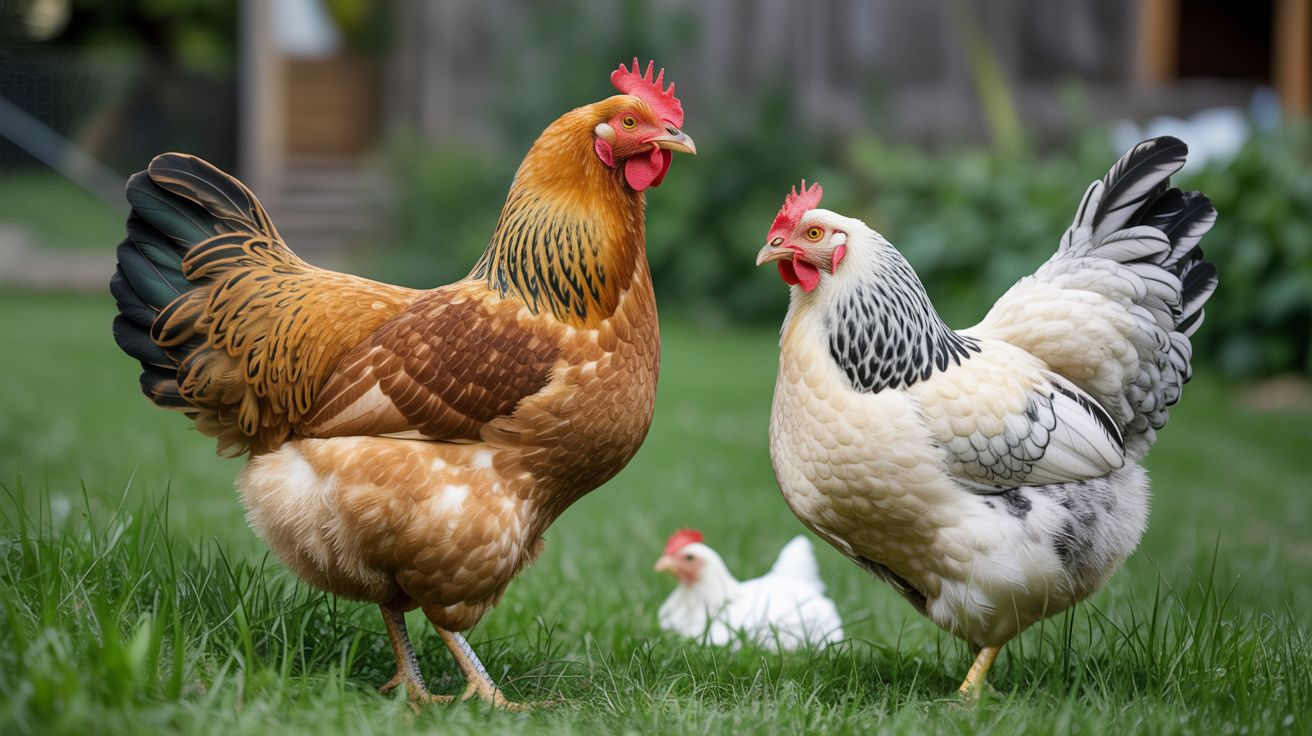
The honest answer: you can start a small backyard flock for roughly $500–$800 all-in during year one, then spend $20–$40 per month after that for feed and bedding. Those numbers vary quite a bit depending on flock size, how much you DIY, and where you live, so let's break it down piece by piece.
At a Glance
- Year-one startup for 4 hens runs roughly $400–$600 with a DIY coop and chicks, or up to $1,500+ with a premium kit coop and point-of-lay pullets.
- Ongoing costs settle around $10 per hen per month, or roughly $38/month for a 4-bird flock on conventional feed.
- Feed is the single biggest recurring line item, typically about 70% of ongoing costs.
- Eggs can offset $33–$58/month in value at farmers-market prices, but rarely fully cover startup infrastructure.
- Predator-proofing, winter water heating, and periodic replacement birds are the hidden costs that catch new keepers off guard.
- Extension budgeting worksheets (linked below) let you plug in your own local feed and lumber prices for a more precise number than any blog post can give you.
Startup Costs: What You'll Pay Before a Single Egg
First-year expenses are front-loaded. Most of the money goes to infrastructure you'll use for years. Penn State Extension's enterprise budgeting guide for small poultry flocks makes the same point from the production side: fixed costs (coop, equipment) get spread across years of use, while variable costs (feed, bedding, labor) recur every month, so the two categories deserve separate line items in your own budget rather than one lump "chicken expenses" number.
The Coop and Run
This is usually the biggest line item. A sturdy predator-proof coop for 4–6 birds costs:
| Option | Typical Cost |
|---|---|
| DIY build (lumber, hardware cloth, hardware) | $150–$350 |
| Pre-built kit coop | $200–$600 |
| Custom-built or upgraded kit | $600–$1,500+ |
Kit coops from feed stores are tempting, but many are flimsy and undersized. The general rule is 4 square feet of indoor coop space and 8–10 square feet of run space per bird. If a kit says it holds 6 chickens but measures 3x4 feet inside, plan for 3 birds at most. Spending a little more up front on hardware cloth (not chicken wire, which predators can tear through) and quality latches pays off.
If you're building, the most expensive materials are typically pressure-treated lumber for the base, hardware cloth for the run, and galvanized hardware. Budget $250–$350 for a solid DIY 4-bird setup.
Brooder Equipment (If Raising Chicks)
Buying day-old chicks is cheaper per bird, but you need a brooder setup to keep them alive those first 6–8 weeks.
- Brooder box or large plastic tote: $0–$30 (a cardboard box works fine for a few weeks)
- Heat source (radiant chick plate, not a heat lamp if possible): $30–$60
- Chick feeder and waterer: $10–$20 total
- Pine shavings for bedding: $10 per bag
Total brooder setup: $50–$110, and most of it is reusable.
The Birds Themselves
This is where "how much do chickens cost" gets a real range:
| Bird Type | Typical Cost |
|---|---|
| Day-old chicks (hatchery) | $3–$8 each |
| Pullets (4–16 weeks old) | $10–$25 each |
| Point-of-lay pullets (18–20 weeks) | $20–$40 each |
| Adult laying hens (rehomed) | $10–$30 each or sometimes free |
For a 4-bird starter flock, expect $15–$50 in chick costs, or $80–$160 if you buy ready-to-lay pullets. The trade-off: chicks are cheap but require 5–6 months before you see eggs; pullets start laying within weeks. If you're thinking through flock size, how many chickens a beginner should start with is worth reading before you order.
First-Year Startup Summary
A realistic budget for 4 hens from chick stage, with a DIY coop:
| Item | Estimated Cost |
|---|---|
| Coop and run (DIY) | $250 |
| Brooder setup | $80 |
| Chicks (4 birds) | $25 |
| Feeders and waterers | $30 |
| First bag of feed (chick starter) | $20 |
| Bedding (first few months) | $30 |
| Misc (zip ties, grit, supplements) | $30 |
| Total | ~$465 |
Add $150–$200 if you buy a kit coop instead. Add $100 if you buy pullets instead of chicks.
Ongoing Monthly Costs
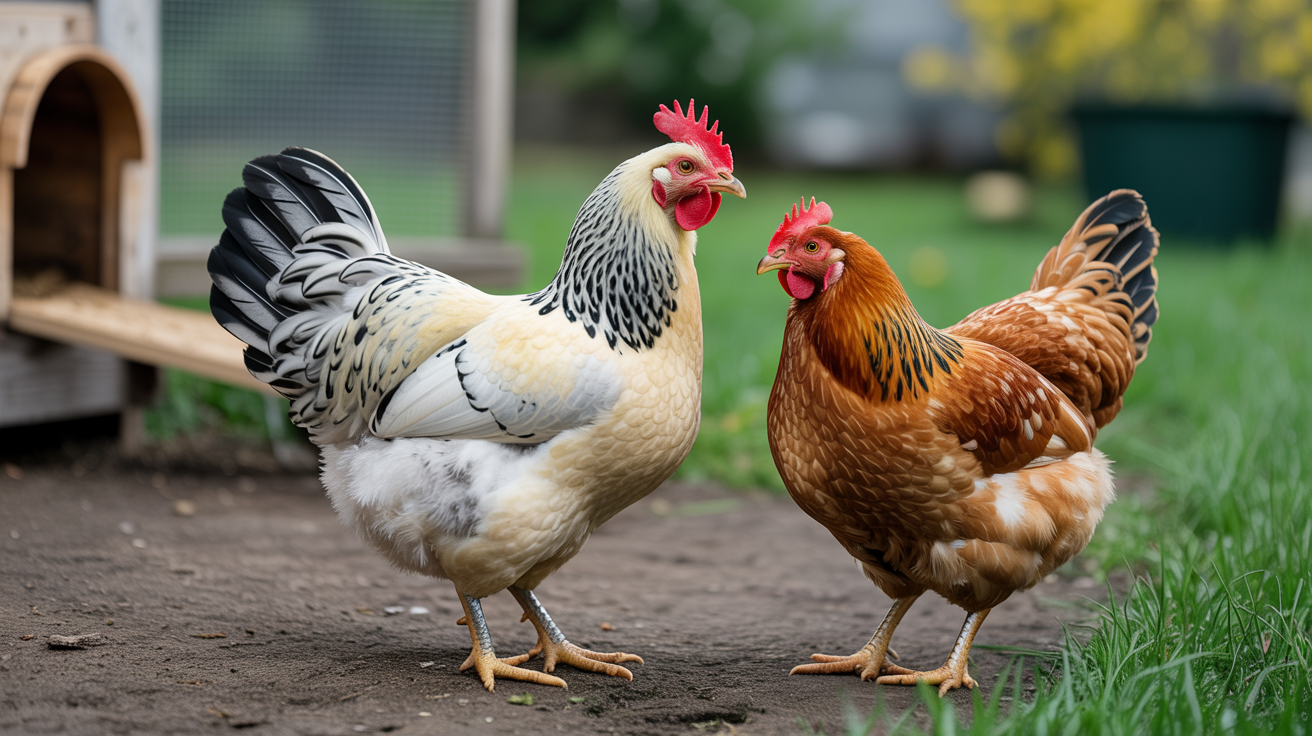
Once infrastructure is paid for, monthly expenses are predictable and fairly low.
Feed
Feed is by far the biggest recurring expense, commonly cited as roughly 70% of the ongoing cost of keeping a flock. Layer hens eat about 1/4 pound of feed per day. For 4 birds, that's roughly 30 pounds of feed per month.
A 50-pound bag of quality layer pellets runs $18–$28 depending on region and whether you buy conventional or organic. Organic feed often costs 40–60% more. Budget:
- Conventional layer pellets, 4 hens: $12–$18/month
- Organic layer pellets, 4 hens: $20–$32/month
Free-ranging on good pasture can cut feed consumption by 20–30% in summer, but don't count on it to eliminate feed costs.
Bedding
Pine shavings in the coop run $12–$18 for a large bag at a feed store. A 4-bird coop on the deep litter method (adding fresh shavings on top and doing a full cleanout every few months) might go through 2–3 bags per month in winter, less in summer. Budget $10–$25/month.
Grit and Oyster Shell
Insoluble granite grit helps birds digest whole grains and foraged food. Oyster shell keeps eggshells strong. A bag of each lasts several months for a small flock. Budget about $2–$4/month averaged out.
Healthcare and Miscellaneous
Healthy chickens in a clean, well-managed coop don't need much. Occasional costs include:
- Diatomaceous earth or permethrin dust for mite prevention: $5–$10 a few times a year
- Vitamins and electrolytes for stress periods: $5–$10 occasionally
- Annual flock check or sick bird visit: this varies widely by vet. A poultry vet visit can run $50–$150 depending on location, and not all general vets see chickens. If you notice labored breathing, significant weight loss, neurological symptoms, or anything spreading quickly through the flock, contact a poultry vet or your local agricultural extension office rather than guessing at home treatment.
Monthly Cost Summary (4 Hens, Conventional Feed)
| Expense | Monthly Cost |
|---|---|
| Feed | $15 |
| Bedding | $15 |
| Grit and oyster shell | $3 |
| Misc (supplements, supplies) | $5 |
| Total | ~$38 |
That works out to roughly $10 per hen per month, or about $460 per year after startup.
How Eggs Offset the Cost
Four healthy laying hens of a productive breed (Rhode Island Reds, Golden Comets, Australorps, Leghorns) can produce 20–24 eggs per week during peak lay, which is 80–100 eggs per month. At $5–$7 for a dozen quality eggs at a farmers market or natural grocery, that's a theoretical $33–$58 in egg value per month.
In practice, production drops in winter without supplemental light, during molts (usually fall, for 6–8 weeks), in extreme heat, and as hens age past 2–3 years. Year-round, figure on 70–80% of peak production as a realistic average for a mixed-age flock.
At $38/month in costs and say $40/month in egg value, a small flock roughly breaks even on feed. You won't get rich, but you'll have fresh eggs and that's usually why people start.
A worked example makes this concrete. Say your household eats 2 dozen eggs a week (a realistic number for a family of four that bakes occasionally). At the farmers-market price of $6/dozen, that's $12/week or $52/month in grocery-equivalent value. If your 4-hen flock is producing close to peak (roughly 5.5 dozen/month), you're covering your own household's egg needs with surplus left to give away or sell, and the $38/month feed bill is comfortably offset. Drop to a smaller flock of 2 hens, though, and the math shifts: you're producing barely enough for the household with little cushion for a molt or a bad month, while fixed costs like the coop don't shrink proportionally.
Hidden Costs to Budget For
A few expenses catch new keepers off guard:
Predator damage. A raccoon or mink that breaches the run can wipe out a whole flock in one night. A one-time upgrade to hardware cloth and secure latches (budget $50–$100) is cheap insurance.
Water in winter. Heated water bases for metal waterers run $25–$40 and draw 25–40 watts. In a cold climate, that's a real electricity cost for 3–4 months. At an average residential rate of roughly $0.15/kWh, running a 30-watt heater 12 hours a day for a winter month adds up to about $1.60 in electricity, a small but real recurring cost worth including if you're tracking every dollar.
Replacement birds. Hens slow down significantly after age 3. If you want steady egg production, plan to add new pullets every 2–3 years. At $15–$25 per bird, this is a modest but real line item.
Zoning and permits. Some municipalities charge for chicken permits or require coop inspections. Before you buy anything, verify local rules, a quick read through how to check whether backyard chickens are legal in your area can save a lot of headache.
Is It Worth It Financially?
For most backyard keepers, the math doesn't quite pencil out as a money-saver compared to buying eggs at a discount grocery store. But that's not really why people do it. The eggs taste noticeably better, you know exactly what the hens ate, and there's genuine satisfaction in a productive flock.
If you're coming in for the economics, expect to roughly break even on feed costs after startup but never fully recoup infrastructure. If you're coming in for the experience (and the eggs), a small flock is one of the more affordable and rewarding homestead projects you can take on. If you want to run your own numbers with local feed and lumber prices rather than the national averages here, Penn State's enterprise budgeting worksheets linked above are built for exactly that and take about 20 minutes to fill out.
For a full picture of what to think through before getting birds, our beginner's guide to backyard chickens covers housing, breeds, and the day-to-day rhythm of keeping a flock.
Frequently Asked Questions
How much does it cost to start with 4 backyard chickens?
Budget $400–$600 for year one if you're building a DIY coop and buying day-old chicks. That covers the coop, brooder setup, birds, and first few months of feed and bedding. Buying a kit coop or ready-to-lay pullets adds $150–$250 to that estimate.
What is the monthly cost to keep chickens?
For a small flock of 4 hens, expect $30–$45 per month covering feed, bedding, and minor supplies. Feed is the biggest piece, at roughly $15–$18/month for conventional layer pellets.
Do backyard chickens save money on eggs?
Usually not compared to cheap grocery store eggs, but the math gets closer when you compare to pasture-raised eggs at $6–$8 per dozen. A productive flock of 4 hens can produce $40+ in egg value per month at those prices, which roughly offsets feed costs.
How long do backyard chickens live, and when do egg numbers drop?
Most hens live 5–8 years. Egg production peaks in the first 2 years, then drops by roughly 20% per year after that. By year 4 or 5, a hen may lay only 2–3 eggs per week instead of 5–6. Many keepers add younger pullets every few years to maintain production.
What's the biggest unexpected expense in keeping chickens?
Predator-proofing upgrades come up most often. Many beginners start with hardware that seems adequate, then lose birds to a determined raccoon or weasel. Spending $50–$100 on hardware cloth and secure locks from the start is money well spent.
Is it cheaper to raise chicks or buy started pullets?
Chicks cost less per bird upfront ($3–$8 versus $20–$40 for a point-of-lay pullet), but you're feeding them for 5–6 months before any eggs arrive, and you'll need brooder equipment ($50–$110). Run the numbers over a full year and the two options land within $50–$75 of each other for a 4-bird flock. Choose chicks if you enjoy the raising process and don't mind the wait; choose pullets if you want eggs faster and are willing to pay for that convenience.
Does flock size change the per-bird cost much?
Yes, and it works in your favor as you scale up modestly. Fixed costs like the coop and feeders don't grow in a straight line with bird count, so a 6-hen flock typically costs less per bird than a 4-hen flock, while an 8-to-10 bird flock spreads infrastructure costs even further. The tradeoff is that variable costs (feed, bedding) do scale linearly, so a much larger flock won't necessarily be cheaper overall, just more efficient per hen. Most beginners find 4 to 6 birds hits the best balance between manageable cost and enough eggs to make it worthwhile.