Getting Started
How Many Chickens Should a Beginner Start With?
Most beginners do best with 3–6 chickens. Learn how flock size affects eggs, space, cost, and daily care before you bring home your first birds.
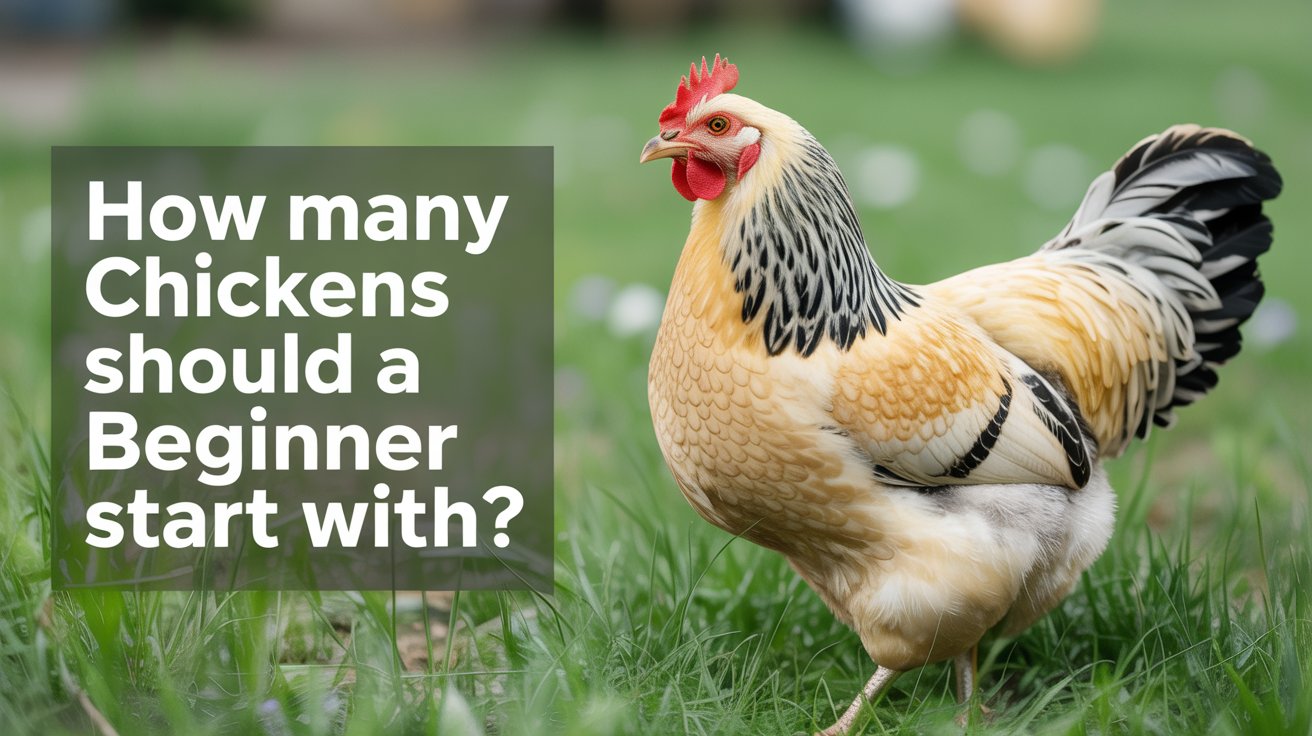
Three to six chickens is the sweet spot for most first-time keepers. That number gives you a real flock (chickens are social animals and do poorly alone), a reasonable egg supply, and a manageable learning curve before you commit to more birds, more feed, and more square footage. The right number depends on your yard, your zoning rules, and your egg expectations, so let's work through each factor.
Why the Minimum Number of Chickens Is 3, Not 1
Chickens are flock animals. A single bird kept alone will be stressed, vocal, and often unhealthy. Two hens can work short-term, but if you lose one to a predator or illness, the survivor is suddenly isolated. Three is a practical floor: you have a stable pecking order, company during ranging, and a buffer if something goes wrong.
Before you set a number, check your local ordinances. Many municipalities cap flock size at 4, 6, or 8 hens, and some ban roosters entirely. If you haven't done that research yet, the guide on whether backyard chickens are legal in your area walks through exactly how to find your local rules.
How Many Chickens Does a Family Actually Need?
The honest answer is fewer than most people think. A healthy hen in her first two laying years produces roughly 4–6 eggs per week depending on breed. Here's a rough guide by household size:
| Household | Eggs/week needed | Hens required (approx.) |
|---|---|---|
| 1–2 people | 6–12 | 2–3 hens |
| 3–4 people | 12–18 | 3–5 hens |
| 5–6 people | 18–24 | 4–6 hens |
| Family + extras to share | 24–36 | 6–9 hens |
Keep in mind that production drops in winter (less daylight), during a molt (usually 6–8 weeks), and as hens age past 3–4 years. If your family eats eggs daily and you hate buying from the store, lean toward the higher end of your range. If you're experimenting, start conservative. You can always add birds in spring.
Matching First Flock Size to Your Space
Space is often the binding constraint, not budget or desire. Cramped housing causes pecking, disease, and stress faster than almost any other management mistake.
Coop space
Plan for at least 4 square feet of indoor coop space per hen, more if birds will be confined during cold or rainy stretches. A typical 8x6 foot coop comfortably houses 10–12 standard-size hens, but that's a full coop. A beginner-scale 4x4 coop fits 4 birds, not 8.
Run space
Outside the coop, allow at least 8–10 square feet per bird in an attached run. If you free-range, the math gets easier, but you accept predator risk and need to secure perimeter fencing carefully.
Breed matters
Heavy breeds like Buff Orpingtons or Barred Rocks need a bit more floor space than compact breeds like Easter Eggers or Leghorns. Choose breeds suited to your climate too (some handle cold better, others are heat-tolerant). Do this breed research before you buy chicks, not after.
The Cost Reality for a First Flock
More chickens means more of everything: feed, bedding, vet costs, and infrastructure. Before you land on a number, read up on the real costs of keeping backyard chickens. Starter costs often surprise people.
A few cost anchors to plan around:
- Feed: A standard-size hen eats roughly 1/4 pound of layer feed per day. Four hens means about 7 pounds of feed per week.
- Bedding: Deep litter or pine shavings in a 4x4 coop need refreshing monthly; larger flocks burn through bedding faster.
- Healthcare: Routine deworming, mite/lice checks, and the occasional vet visit are real expenses. Budget a small per-bird annual amount for unexpected care.
- Startup: Chick brooder setup, heat lamp or plate brooder, waterers, and feeders are one-time costs but add up quickly for a larger initial flock.
Starting with 4–6 birds keeps startup costs reasonable and gives you a year to see what you actually spend before you scale up.
What Happens When You Start Too Big
The most common beginner mistake isn't starting too small. It's starting too large. Ten chicks sound manageable until you're dealing with 10 teenage pullets that need 40 square feet of brooder space, a coop you underbuilt, and a feed bill larger than expected. Overloaded keepers cut corners on space, skip health checks, and end up with disease problems or pecking injuries.
A first flock of 4–6 birds lets you:
- Learn chicken behavior without being overwhelmed
- Catch health issues early because you can observe each bird closely
- Build husbandry habits (daily checks, weekly coop maintenance) at a manageable scale
- Upgrade housing and expand with real data from your first year
If you're eager to have more birds eventually, plan your coop for your target flock size but stock it lightly to start. Adding birds to a well-built setup is much easier than retrofitting a coop you outgrew.
Chicks vs. Started Pullets: How It Affects Your Starting Number
If you're buying day-old chicks, expect a small loss rate. Around 5–10% mortality in the brooder is not unusual even with good care. Factor that in when you order. Six chicks might become five laying hens, which is still a solid first flock.
Started pullets (hens 15–20 weeks old, close to laying age) cost more per bird but skip the brooder stage entirely. Because losses are lower, you can buy exactly the number you want. They also start laying 4–8 weeks after you bring them home, so you get eggs faster.
For most beginners with no brooder experience, started pullets from a local farm or hatchery are worth the premium. You can always brood chicks in year two once you have the basics down.
For a broader look at what first-time keepers should know before buying any birds, the overview at backyard chickens for beginners covers the full picture from housing to feed to daily routines.
Frequently Asked Questions
Can I start with just 2 chickens?
Two hens can technically work, but it's risky. If one bird dies or gets injured, the remaining hen is alone, causing stress and often a drop in laying. Three is the practical minimum for a stable, humane setup. If local rules only allow 2 birds, make the best of it — but don't choose 2 when you can have 3 or 4.
Will 4 chickens give me enough eggs for a family of four?
Likely yes, at peak production. Four hens in their first or second year can produce 16–24 eggs per week, which covers most family needs. Production drops in winter and during molt, so if consistent supply matters, 5–6 hens gives you a reliable buffer through slower seasons.
How many chickens can I keep in a small backyard?
That depends more on your coop and run dimensions than on yard size. A small backyard can comfortably support 3–6 standard hens if you build the right housing: 4 square feet per bird indoors, 8–10 square feet per bird in the run. Check zoning rules first; many small-lot ordinances cap hens at 4–6 regardless of space available.
Do I need a rooster in my flock?
No. Hens lay eggs without a rooster; you just won't get fertilized eggs. Most beginners and most urban/suburban keepers skip the rooster entirely. Roosters are louder, require more management, and are banned outright in many municipalities. Unless you plan to hatch your own chicks, leave the rooster out of your first flock.
How quickly can I add more chickens after my first flock?
Most experienced keepers wait at least 6 months before expanding. That gives you enough time to understand the flock's dynamics, get a feel for daily workload, and make any coop modifications you need. When you do add birds, quarantine new arrivals for 2–4 weeks before introducing them to the established flock. That prevents disease transfer and gives you time to observe new birds for any signs of illness. Introductions go more smoothly when new birds are close in age to the existing flock. If you ever notice signs of serious illness in new or existing birds, a poultry veterinarian or your local agricultural extension office is the right call, not the internet.