Getting Started
Chicks, Pullets, or Hens: The Best Way to Start a Flock
Deciding whether to buy day-old chicks, started pullets, or laying hens? This guide breaks down the real trade-offs so you can choose what fits your setup.
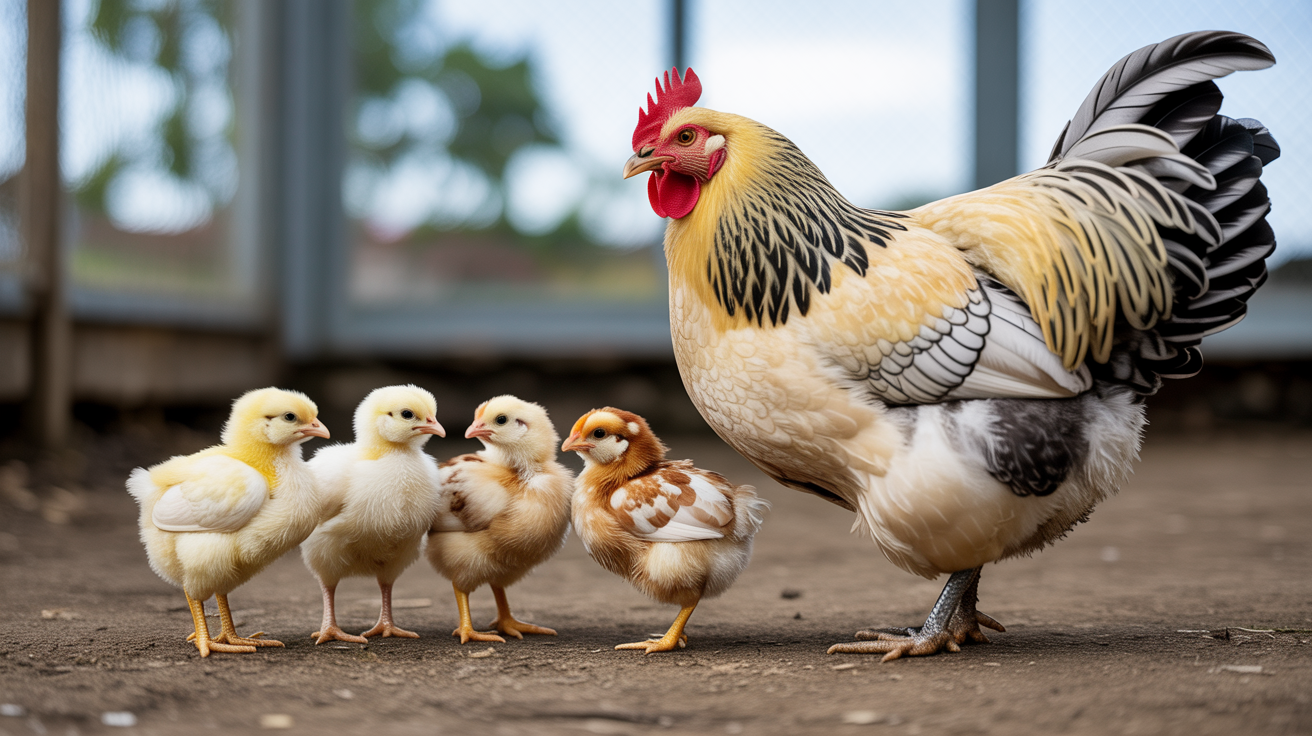
Starting a backyard flock means making one choice before you buy a single feeder, build a single nest box, or order a single bag of feed: which stage of life are you actually buying into? Day-old chicks, started pullets, and point-of-lay hens each ask something different from you, and none of them is universally the right answer.
This is a decision worth thinking through carefully. The wrong choice for your situation does not ruin anything permanently, but it can mean weeks of unexpected work, an unplanned vet bill, or a flock that takes far longer to produce eggs than you planned. Here is what you need to know.
What Each Stage Actually Means
The chicken industry uses age terms loosely, so it helps to know what you are dealing with before you start shopping.
Day-old chicks are hatched and shipped within 24 to 48 hours of hatching. They arrive fragile, they need a heat source for roughly six weeks, and they will not lay eggs for five to seven months depending on breed. Sexing accuracy at hatch varies by method and hatchery. Straight-run batches (unsexed) carry a real chance of roosters, which matter a great deal if your city or town bans them.
Started pullets are female chickens somewhere between four and sixteen weeks old. The heat lamp stage is behind them. They have usually been sexed, so the rooster risk is lower. But they are still growing into laying age, and the price per bird is higher than a day-old chick to reflect the feed and labor already invested in them.
Point-of-lay pullets or hens are birds somewhere between sixteen and twenty-four weeks old, close to or already beginning to lay. When you buy at this stage, eggs can arrive within a few weeks. The per-bird cost is the highest of the three options, and availability tends to be limited to local sellers rather than mail-order hatcheries.
Adult hens (over one year old) are sometimes sold by backyard keepers who are culling older birds or downsizing. Hens lay most productively in their first two to three years, so an older hen may be a bargain or may cost you in feed without much return, depending on how old she actually is. The seller's word on age is all you typically have.
The Case for Chicks
If you want to watch a flock develop from the beginning, chicks are where that starts. There is genuine value in raising birds that have known only your yard, your feed, and your handling from week one. They tend to be calmer around people, more willing to be picked up, and easier to integrate with other young birds you raise at the same time.
Chicks are also the most widely available option. Most mail-order hatcheries sell them nationwide with a minimum order (often six to twenty-five birds, depending on the source), and feed stores carry them seasonally. Breed selection is far broader than what you will find in started or laying birds.
The real cost is time and infrastructure. You will need a brooder, a heat lamp or brooder plate, chick-appropriate feed, and about six weeks of daily attention to temperature, water, and health. Brooder management is not complicated, but it is not passive either. A drafty brooder, a chill night, or a waterer that runs dry can cause losses quickly. And then the wait for eggs: most breeds do not lay until five to seven months of age, which means if you start in spring, you might not see eggs until fall.
There is also the rooster question. Even with sexed chicks from a reputable hatchery, sexing accuracy is typically around 90 percent. In a batch of six birds, that is a meaningful chance of at least one male. Check your local rules on roosters before you order. You can find guidance on that at Are Backyard Chickens Legal? How to Check Local Rules.
The Case for Pullets and Point-of-Lay Birds
Started pullets let you skip the most labor-intensive phase without sacrificing the experience of watching birds grow. By the time you bring them home, the temperature-sensitive brooder weeks are done. They still need time to settle and start laying, but you are not managing a heat lamp anymore.
Point-of-lay birds cut the wait even further. If your goal is eggs and your infrastructure is ready, buying birds that are already close to their first lay is the most direct path there. For people who want to understand the ongoing rhythm of a flock without the early-chick intensity, this is a reasonable starting point.
The trade-offs are cost and relationship. You will pay more per bird, your selection of breeds will be narrower (often limited to popular dual-purpose breeds or high-production layers), and the birds may take several weeks to settle into a new environment before laying steadily. Stress from a move routinely delays first lay or causes a temporary production drop in established layers.
There is also an important health consideration when buying older birds from a source you cannot vet thoroughly. Backyard hens can carry Marek's disease, mycoplasma, or other conditions without obvious symptoms. Reputable hatcheries vaccinate for Marek's at hatch. A bird you buy from a private seller may or may not have that protection. If you are adding older birds to an existing flock, a short quarantine period of at least two to three weeks is worth the inconvenience.
Where to Buy Chickens
Where you buy matters as much as what age you buy.
Mail-order hatcheries are the standard source for day-old chicks. They ship nationwide using USPS, relying on the chick's yolk sac for nutrition during transit. Reputable hatcheries publish health certifications (usually NPIP, the National Poultry Improvement Plan), vaccinate for Marek's disease, and stand behind their sexing accuracy. The minimum order requirement exists because the birds need to keep each other warm in transit. If you want fewer than the minimum, look for a hatchery that offers a "small flock" or "starter" option, or coordinate a group order with a neighbor.
Local feed stores source chicks from regional hatcheries during spring and sell them seasonally. You can often buy smaller quantities, which helps if you are limited on space. The downside is that breed selection tends to be narrow, and the provenance of the birds is not always easy to verify.
Local breeders and small farms are worth seeking out for started pullets and laying hens. You can see the birds before you buy, observe the conditions they were raised in, and ask questions directly. Breed-specific Facebook groups, local farming co-ops, and state agricultural extension offices often keep referral lists of small producers.
Backyard sellers and classified listings can be a fine source, but they require more due diligence. Ask about vaccination history, current health, age documentation, and whether the birds have been around any illness in the last month. A seller who can answer those questions confidently is a better sign than one who cannot.
No matter where you buy, it is worth calculating the real cost of getting started before your birds arrive. Feed, bedding, housing, feeders, waterers, and vet care all add up. You can find a realistic breakdown of those numbers at How Much Does It Cost to Keep Backyard Chickens.
Making the Call
There is no universally correct answer here. A good match depends on what you have, what you want, and how much time you can give the project right now.
If you want the fullest experience, maximum breed options, and can manage the brooder phase: start with chicks. If you want to skip early labor and get to a working flock faster: look for started pullets or point-of-lay birds from a trustworthy local source. If you want eggs within weeks and have a solid setup already: point-of-lay hens are the most direct route, with the understanding that they cost more and may take a few weeks to settle.
Whatever stage you start with, set up the housing before the birds arrive. Scrambling to finish a coop the day your chicks show up or your hens come home is a stressful way to begin. If you are still working through the basics of what a first flock actually needs day-to-day, the overview at Backyard Chickens for Beginners: What to Know Before You Start is a good place to anchor that planning.
The Coop Guide is an independent backyard-poultry resource. Our articles are general guidance, not veterinary advice. For a sick or injured bird, a suspected disease outbreak, or anything involving medication, consult a poultry veterinarian or your local agricultural extension office.
Frequently Asked Questions
Is it cheaper to start with chicks or laying hens? Day-old chicks cost less per bird at purchase, but you will spend five to seven months feeding them before they lay. Point-of-lay birds cost more upfront but start earning their keep in feed costs sooner. Over a full year, the difference is often smaller than the initial price gap suggests.
Can I mix chicks and adult hens in the same flock? Not right away. Young chicks need a brooder, and adult hens will peck smaller birds in the pecking order. The standard approach is to raise chicks separately until they are close to the size of your adult birds (typically twelve to sixteen weeks), then introduce them gradually with a physical barrier in place first.
How do I know if point-of-lay hens are actually the age the seller says? You cannot always verify it precisely. Signs of a young pullet approaching first lay include a bright red and enlarged comb and wattles, a squatting behavior when you approach from above (a submissive response that signals sexual maturity), and general alertness and good feather condition. A very pale comb or rough, worn feathers on a supposedly "young" hen are worth questioning.
Do I need a rooster for hens to lay eggs? No. Hens lay eggs without a rooster present. You need a rooster only if you want fertilized eggs for hatching. For a standard backyard egg flock, roosters are optional at best and often prohibited by local ordinances.
What is NPIP and why does it matter? NPIP stands for the National Poultry Improvement Plan, a federal-state cooperative program that tests flocks for certain diseases including pullorum, typhoid, and avian influenza. Buying from an NPIP-certified source does not guarantee perfect health, but it does mean the flock has been tested and cleared for those specific conditions. Most reputable mail-order hatcheries are NPIP certified; ask local sellers directly.