Health & Care
Deworming Chickens: When and How
Learn how to recognize worms in chickens, choose the right chicken dewormer, and treat your flock safely with this practical keeper's guide.
Intestinal worms are a fact of life for birds that scratch in soil, peck at bugs, and share space with wild animals. Most healthy backyard flocks carry a low worm burden without any obvious trouble, but when parasite loads climb, production drops, birds lose weight, and younger or weaker hens can go downhill fast. Knowing what to look for and when to act keeps the problem manageable before it turns serious.
At a Glance
- Backyard chickens pick up worms routinely from soil, insects, and wild bird droppings. It's normal exposure, not a sign you're doing something wrong.
- Large roundworms are the most damaging worm backyard flocks typically carry, capable of causing intestinal blockage in heavy infestations.
- Don't self-diagnose from symptoms alone. A fecal egg count from a vet or ag extension lab (often under $20) is the only reliable way to know what you're dealing with.
- No dewormer currently carries an FDA label for laying hens in the US, so legal use requires a veterinarian's involvement (a VCPR).
- A single deworming round misses larvae that mature afterward. Plan on two rounds, 10 to 14 days apart, plus fresh bedding and run rest.
- Discard eggs during treatment and through the withdrawal period. For fenbendazole, most vets recommend at least 14 days, though there's no official label for laying hens to confirm it against.
Do Backyard Chickens Get Worms?
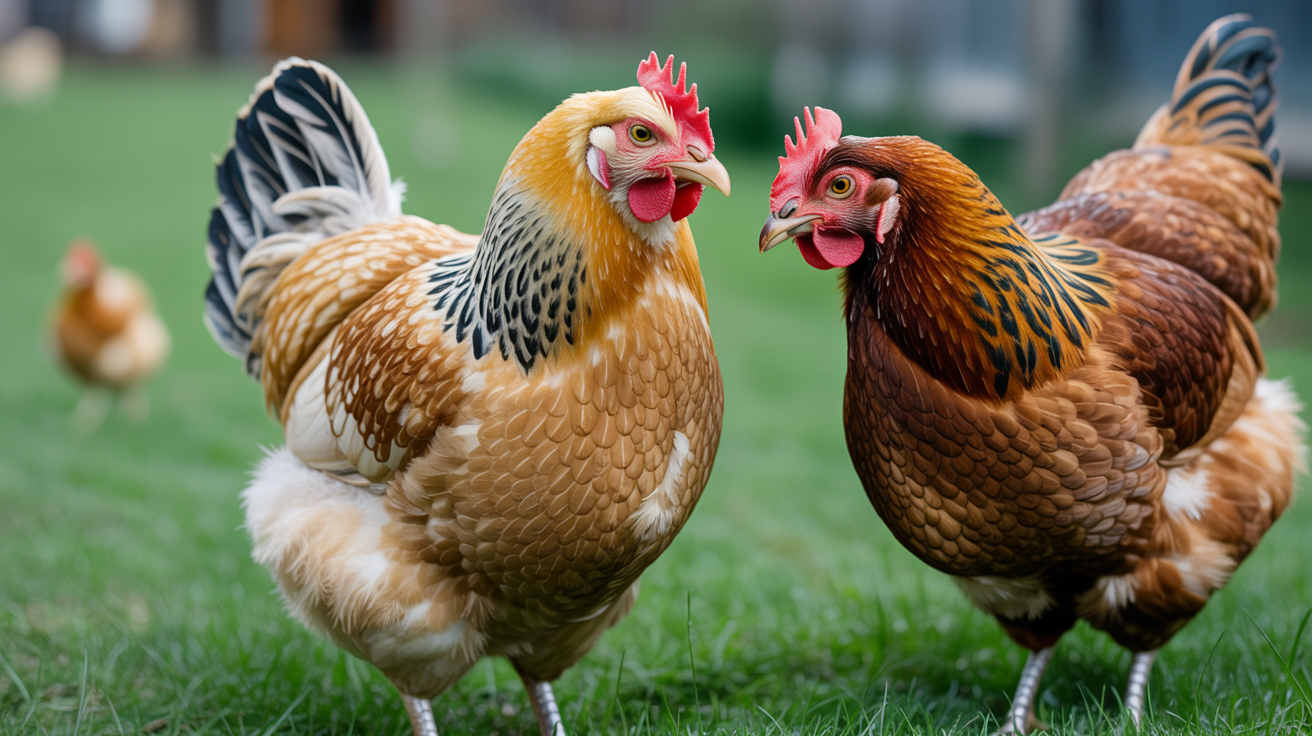
Yes, routinely. Chickens pick up worms by pecking at infected soil, earthworms, beetles, slugs, and even the droppings of wild birds that land in your run. The most common culprits are:
| Worm Type | Common Name | Primary Location in Bird |
|---|---|---|
| Ascaridia galli | Large roundworm | Small intestine |
| Heterakis gallinarum | Cecal worm | Ceca (carries Blackhead protozoa) |
| Capillaria spp. | Hairworm / Capillary worm | Crop, esophagus, intestine |
| Syngamus trachea | Gapeworm | Trachea |
| Raillietina spp. | Tapeworm | Small intestine |
Roundworms and cecal worms are by far the most common in backyard settings. Extension poultry pathology resources describe the large roundworm as the single most damaging worm common to backyard flocks, capable of causing intestinal blockage and death in severe, untreated cases, particularly in young birds. Gapeworm is less frequent but more dramatic because it affects the airway. Tapeworms require an intermediate host (an insect or earthworm), so free-ranging flocks are at higher risk than birds kept entirely off pasture.
Flock risk goes up when birds have been on the same ground for several years, when you add new birds without quarantine, or when wild turkeys and waterfowl share the property. Wet years also spike worm pressure because earthworms and slugs (common intermediate hosts) multiply, and a wet spring often shows up as a worm problem by early summer.
Signs of Worms in Chickens
Worms are sneaky. A flock can carry a moderate burden with no single bird looking obviously sick, which is why targeted monitoring matters more than waiting for a crisis. Watch for:
- Weight loss despite a good appetite, especially in pullets under 16 weeks old
- Pale combs and wattles from mild anemia (heavy roundworm loads in young birds can bleed the gut lining)
- Watery or foamy droppings, sometimes with visible mucus in the ceca
- Drop in egg production or thin-shelled eggs with no other explanation
- Lethargy and tail-drooping during daytime, when a healthy bird should be active
- Gasping or "gaping" with repeated head-shaking (a classic sign of gapeworm in the trachea)
- Visible worms in droppings or, in advanced cases, in the mouth (gapeworm specifically)
A single droopy bird might mean something else entirely. Check out signs of a sick chicken and what to do for a broader triage checklist. Worms rarely show up as the only thing wrong, so a thorough once-over always makes sense before you settle on a diagnosis.
Young birds (under 12 weeks) and birds in heavy molt are the most vulnerable because their immune reserves are already strained. If you're seeing molting stress alongside other symptoms, and production is bottoming out, a worm check is a reasonable next step.
How to Confirm Worms (Fecal Float Testing)
Self-diagnosing a worm problem based on symptoms alone is unreliable. The safe, accurate approach is a fecal egg count (FEC), also called a fecal float.
Collect fresh droppings from 5 to 6 different birds (not old, dried material) in a clean bag, and get them to a poultry vet or agricultural lab within a few hours. The lab concentrates the sample in a salt or sugar solution so worm eggs float to the surface and can be counted under a microscope. Note that some roundworm eggs are genuinely tiny and difficult to spot without magnification, which is exactly why a home visual inspection of droppings isn't a substitute for a proper float. Results usually come back same-day or next-day.
A fecal float tells you:
- Whether worms are actually present
- Which type of worm you're dealing with
- Roughly how heavy the burden is (eggs-per-gram count)
This matters because different dewormers target different worms, and treating for roundworms when you actually have capillary worm wastes money and time. Your local cooperative extension service often offers low-cost fecal testing or can refer you to a lab that does.
Choosing a Chicken Dewormer
Here's where backyard keepers run into a wall: in the US, there is currently no dewormer with an FDA-approved label for laying hens. That doesn't mean dewormers don't work on chickens (they do), but it does mean you need a veterinarian's involvement to use them legally.
Fenbendazole (Safe-Guard, Panacur)
Fenbendazole is the most commonly used dewormer in backyard chickens and is effective against roundworms, cecal worms, capillary worms, and gapeworm. It's given in feed or water for 5 consecutive days. It is NOT FDA-approved for poultry, so a vet must prescribe it (a VCPR, or veterinarian-client-patient relationship, is required). Egg withdrawal times are not officially established; most poultry vets recommend discarding eggs for at least 14 days after the last dose, but ask your vet for their specific guidance.
Ivermectin
Ivermectin (pour-on formulations) is sometimes used off-label for external and internal parasites, but it has poor efficacy against roundworms specifically, and resistance is a concern with overuse. It carries a longer egg withdrawal recommendation. Use with vet guidance only.
Piperazine
Piperazine (found in some poultry supply products) is effective against large roundworms but does nothing for cecal worms, capillary worms, or tapeworms. Extension pathology guidance is specific on this limitation, noting that piperazine controls large roundworms only and has no effect on the other worm types listed above. It's the most widely available over-the-counter option, which makes the temptation to reach for it without a diagnosis understandable, but also means a keeper treating blind for cecal worm or capillary worm with piperazine alone will see no improvement and may assume treatment failed when the product was simply never going to work on that parasite.
Praziquantel
For tapeworms specifically, praziquantel is the go-to. It's usually combined with fenbendazole or given separately. Another vet-prescribed option, and one that's easy to overlook since tapeworms don't always show up on a standard fecal float the same way roundworm eggs do.
The bottom line: get a fecal float, confirm what you're dealing with, and work with a poultry vet to choose the right drug and dose. Treating blindly can build drug resistance in worm populations on your property, making future infections harder to clear, and it wastes money on a product that may not even target the worm your flock actually has.
Dewormer Options at a Glance
| Dewormer | Effective against | Prescription needed | Typical egg withdrawal |
|---|---|---|---|
| Fenbendazole | Roundworms, cecal worms, capillary worms, gapeworm | Yes (VCPR) | 14+ days, confirm with vet |
| Ivermectin | Some external/internal parasites, weak on roundworms | Yes | Longer than fenbendazole |
| Piperazine | Large roundworms only | No (OTC) | Varies by product label |
| Praziquantel | Tapeworms | Yes | Confirm with vet |
How to Deworm Your Flock
Once you have a diagnosis and a medication, the process itself is straightforward.
Preparation. Remove medicated feeds (if any) the day before treatment so birds are hungry and more likely to consume the dewormer in feed or water. Weigh a representative bird from your flock to confirm dosing (most dewormers dose by body weight).
Treatment days. For fenbendazole in water, measure the volume your flock drinks in a day (count their waterers, remove them in the evening, and measure what goes in the next morning after 24 hours). Mix the drug into enough water that birds will drain it in a day. Remove other water sources during treatment hours. For feed-mixing approaches, your vet will calculate a parts-per-million ratio based on your flock's daily feed consumption.
After treatment. A second round 10 to 14 days after the first kills larvae that have matured since the initial dose. This two-round approach is important and often skipped, which is why re-infestations happen quickly. Note the egg withdrawal date and mark it on a calendar so you don't accidentally serve or sell eggs still inside the window.
Coop sanitation. Deworming the birds without cleaning the environment is like bailing a sinking boat. After treatment:
- Remove and replace all litter (deep litter that's been down for months harbors massive worm-egg loads)
- Rotate your birds off the run if you have room (resting pasture for 6 to 8 weeks lets UV light and drying kill infective eggs)
- Rake and turn bare-soil runs frequently to expose eggs to sun
If you're also dealing with external parasites at the same time, read through how to treat mites and lice on chickens for the environmental clean-up steps, which overlap with the worm protocol.
Preventing Worm Problems Going Forward
Reducing worm burden is an ongoing management job, not a one-time fix.
Don't over-rely on dewormers. Rotating drugs and treating only when a fecal test justifies it slows the development of drug resistance. Many keepers run an annual fecal float in spring (when earthworm activity peaks) and again in fall as a baseline.
Run rotation. If you have space, divide your run into two sections and alternate monthly. Even a few weeks of rest dramatically drops infective larva counts in soil, since most worm eggs need warm, moist conditions and a resting period to break the cycle.
Limit wild bird access. Wild turkeys and geese are cecal-worm reservoirs and also carry Blackhead disease (Histomonas meleagridis), transmitted by the cecal worm's eggs. Covered runs and deterring wild birds from roosting on your fence line pays off, and this is doubly important if you also keep or plan to keep turkeys, which are far more susceptible to Blackhead than chickens.
New bird quarantine. Always quarantine incoming birds in a separate enclosure for a minimum of 30 days and run a fecal float before integrating them. Bringing in new birds is the fastest way to introduce a worm strain your existing flock hasn't encountered.
Diatomaceous earth, what it can and can't do. DE in the dust bath helps with external parasites but does very little against intestinal worms. Don't count on it as a dewormer.
Frequently Asked Questions
How do I know if my chickens have worms without a vet?
The honest answer is that you can't know for certain without a fecal egg count. Symptoms like weight loss, pale combs, and low production overlap with a lot of other conditions (including nutritional deficiencies and external parasites). A fecal float from a vet or ag extension lab is affordable (often under $20) and removes the guesswork.
Can I eat the eggs while treating my chickens for worms?
No. During treatment and through the egg withdrawal period, discard all eggs. The length of the withdrawal depends on which drug your vet prescribed. Fenbendazole is commonly 14 days from the last dose, but confirm this with your vet since no official label withdrawal exists for laying hens in the US.
How often should I deworm my chickens?
There's no universal schedule. The current guidance from most poultry vets is to test first and treat only when the fecal egg count indicates a problem. Annual or twice-yearly fecal floats give you a baseline. Treating on a fixed calendar without testing encourages drug resistance and may not even be necessary.
Are baby chicks at higher risk from worms?
Yes, significantly. Chicks under 12 weeks have immature immune systems and a small body mass, so even a moderate worm burden can cause rapid weight loss and anemia. Heavy roundworm infections in young birds can be fatal. Keep chicks on clean bedding, avoid putting them on ground that's housed adult birds for years, and watch them closely. If a young bird is failing to thrive, a fecal float should be one of the first things you pursue.
Can worms spread from chickens to humans?
The worm species that infect chickens are host-specific and do not infect humans. Standard hygiene (handwashing after handling birds or cleaning coops) is still good practice for other reasons, including bacterial pathogens like Salmonella, but chicken worms themselves are not a human health concern.
My fecal float came back negative but my hen still looks unthrifty. What now?
A single negative float doesn't fully rule out worms, since egg shedding can be intermittent and some infections (early-stage or all-male worm burdens, for instance) won't show eggs at all. If symptoms persist, ask your vet whether a repeat float in a week or two, or a trial treatment, makes sense. It's also worth working through other causes in parallel: check for external parasites, review her diet and calcium intake, and rule out other common flock ailments before assuming the worm question is fully closed.