Health & Care
Signs of a Sick Chicken and What to Do
Learn the key signs of a sick chicken: lethargy, pale combs, labored breathing, and more, plus what steps to take before calling a poultry vet.
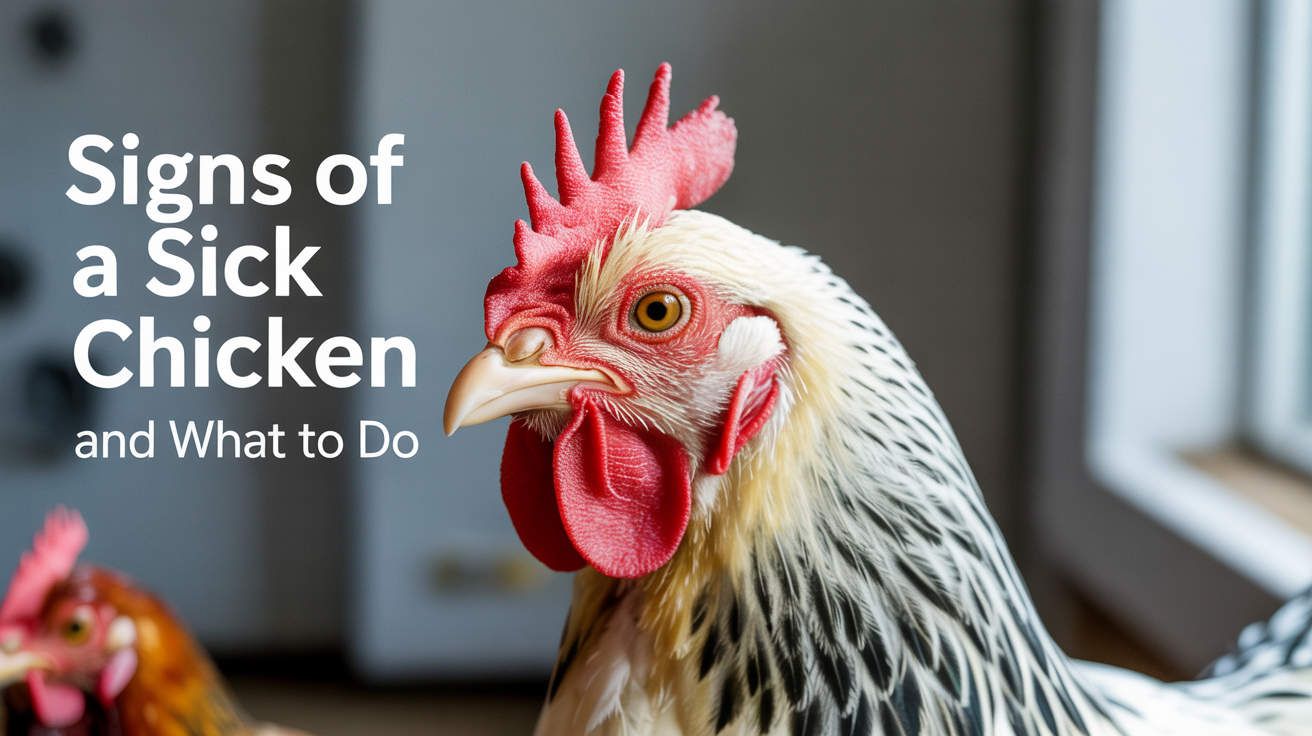
A chicken that's off her feed, standing alone with fluffed feathers, or just "not herself" can go downhill fast. The good news: backyard keepers who spend time with their flock every day pick up subtle changes early, and early action almost always improves outcomes.
This guide walks through what to look for, how to assess a sick bird at home, and when it's time to call a poultry vet or your local agricultural extension office.
Know Your Baseline First
You can't spot abnormal unless you know normal. Before any bird gets sick, spend a few minutes daily just watching your flock at the feeder, on the roost, and moving around the yard. Healthy chickens are:
- Alert and curious, responding to movement and sound
- Bright-eyed with clear, moist eyes (no discharge)
- Carrying their tails upright (not drooped or clamped low)
- Eating and drinking steadily throughout the day
- Producing consistent droppings (cecal poops once or twice daily are normal and smelly; don't panic over those)
- Showing a plump, red-pink comb and wattles that match their breed standard
Once you have that mental picture, a sick bird will jump out at you.
Common Signs of a Sick Chicken
Lethargy and Isolation
A hen standing apart from the flock, hunched up with feathers fluffed out, eyes half-closed, is showing classic "sick posture." Chickens fluff to conserve body heat; a bird that's doing this on a warm day is telling you something is wrong. If she's reluctant to move when you approach, that's a stronger signal.
Healthy hens roost together and follow the group. A bird that consistently trails behind, sits while others scratch, or hides in the nest box during daylight needs a closer look.
Pale, Purple, or Discolored Comb and Wattles
Comb color is one of the fastest diagnostic clues available to a keeper. A normal laying hen has a bright red comb. Watch for:
| Color change | Possible cause |
|---|---|
| Pale pink or white | Anemia (heavy mite/lice load, internal parasites, blood-loss injury) |
| Dark purple or blue-black | Cardiovascular stress, frostbite, severe respiratory distress |
| Shrunken and dull | Not necessarily sick; can signal molt or broodiness, but rule out illness |
| Black dry tips | Frostbite on single-comb breeds in winter |
A pale comb combined with lethargy is a strong signal for a vet call, especially if you haven't recently treated for mites and lice, which are a top cause of anemia in backyard flocks.
Respiratory Symptoms
Chickens don't cough or sneeze just because they inhaled a bit of dust, so any persistent respiratory sign deserves attention. Look and listen for:
- Audible wheezing, rattling, or clicking sounds when the bird breathes
- Open-mouth breathing (called "gaping") when the bird isn't overheated
- Head-shaking or neck-stretching as if trying to clear the airway
- Nasal discharge (wet nostrils or crusting around the nares)
- Swollen sinuses, giving the face a puffy appearance under the eyes
Several serious diseases present this way, including Marek's disease, Mycoplasma gallisepticum (MG), infectious bronchitis, and Newcastle disease. Because some of these are reportable and can spread quickly, a respiratory outbreak in your flock is a call-the-vet situation, not a wait-and-see one.
Digestive and Droppings Changes
Chicken droppings are genuinely useful diagnostics once you get over the gross factor. Normal droppings are firm, brown-grey with a white urate cap. Concerning changes include:
- Watery or foamy green droppings: green often signals the bird isn't eating; foamy can indicate coccidiosis or certain infections
- Bloody droppings: coccidiosis is the most common cause in young birds (under 12 weeks), but bloody stool in adults also warrants immediate attention
- Yellow sulfur-colored droppings: sometimes associated with blackhead disease (Histomoniasis), primarily in turkeys but can affect chickens kept with turkeys
A chicken that has stopped eating for more than 24 hours is already in trouble. Pair that with a crop that feels hard and doesn't empty overnight (impacted crop) or sour and mushy with a bad smell (sour crop), and you have a bird that needs hands-on intervention.
Changes in Egg Production or Egg Quality
A sudden drop in laying, especially paired with any of the signs above, is worth investigating. Soft-shelled, shell-less, or oddly shaped eggs can indicate:
- Nutritional deficiency (calcium, vitamin D3)
- Infectious bronchitis or other respiratory viruses that affect the reproductive tract
- Egg peritonitis (internal laying), a serious condition in hens that requires a vet
A hen that's been a reliable layer and suddenly stops for more than a week, with no sign of molt or brooding, should be examined for a stuck egg (egg binding) by feeling gently along the abdomen. An egg-bound hen will appear straining, may be sitting low, and won't eat. This is a medical emergency.
Neurological or Movement Problems
Staggering, head-tilting (called "stargazing" or wry neck), circling, or complete leg weakness can point to:
- Marek's disease (common in unvaccinated pullets under 30 weeks)
- Vitamin E/selenium deficiency (encephalomalacia in young birds)
- Newcastle disease or other viral infections
- Injury from a flock mate or predator
Any neurological symptom in a bird that hasn't been vaccinated for Marek's needs a vet consult. These signs are also serious enough that isolating the bird immediately protects it from being injured further by healthy flockmates.
How to Assess a Bird at Home
When you suspect a sick hen, pull her out of the flock and examine her somewhere calm and quiet. Work through this checklist:
- Weigh her. A kitchen scale gives you a number. A healthy adult hen should feel heavy for her size; bones that protrude sharply through the breast muscle (a "sharp keel") mean she's lost significant body condition.
- Check the eyes and nostrils. Clear and dry is good. Discharge, cloudiness, or swelling is not.
- Feel the crop. It should feel full and soft in the evening, empty in the morning. Hard, distended, or foul-smelling is abnormal.
- Examine the vent area. Look for pasty droppings stuck around the vent (especially in chicks), signs of diarrhea, or prolapsed tissue.
- Part the feathers around the vent and under the wings. Look for tiny moving specks (mites) or yellowish nits attached to feather shafts (lice). A heavy external parasite load can explain anemia and lethargy on its own.
- Check legs and feet. Scaly leg mites cause crusty, lifted leg scales. Bumblefoot presents as a hard black scab on the pad.
If your exam turns up external parasites, treat the whole flock promptly. Detailed treatment options are covered in our guide on treating mites and lice on chickens.
What to Do When You Spot a Sick Chicken
Isolate immediately. Move the bird to a separate enclosure ("sick bay") with food, water, and a heat source if she's cold or shocky. A temperature of 80-85°F helps a weakened bird maintain body condition. This also prevents any contagious condition from spreading and protects her from flockmates who may peck at a vulnerable bird.
Offer supportive care. Plain water with electrolytes (poultry-formulated), scrambled eggs, or wet feed can tempt a bird that's off food. Don't force-feed.
Record what you see. Note the symptoms, when they started, any changes in feed or bedding recently, flock history (new birds introduced?), and whether other birds show symptoms. Your vet will want this.
Call a poultry vet or your local agricultural extension office if you see:
- Any respiratory signs (wheezing, nasal discharge, open-mouth breathing)
- Bloody droppings in birds over 12 weeks
- Neurological symptoms
- More than one bird affected in the same 24-48 hours
- A bird that won't eat or drink for more than 24 hours
- Suspected egg binding
Also keep internal parasites in mind. A heavy worm burden is a common underlying cause of poor body condition, pale comb, and general failure to thrive that keepers sometimes miss because the outward signs are gradual.
Finally, don't overlook molt as a cause of reduced laying, lower energy, and a dull comb in birds that are otherwise eating and drinking normally. Our guide on chicken molting covers how to tell a normal molt apart from illness.
Frequently Asked Questions
How can I tell if my chicken is sick or just molting?
Molting hens look rough (patchy feathers, dull comb, reduced laying), but they eat well, drink normally, and stay social with the flock. A sick hen usually shows loss of appetite, drooping posture, and isolation. If your bird is eating actively and moving around with the group, molt is the more likely explanation, though a molting bird under stress can be more vulnerable to illness, so keep watching.
My chicken is not eating. How long before it becomes an emergency?
A chicken that skips the morning feeding but eats by afternoon is probably fine. A bird that hasn't eaten for a full 24 hours, especially if also lethargic or showing any other symptom, needs attention now. Chickens have fast metabolisms and can become critically weak within 48 hours without nutrition.
Can I treat a sick chicken at home without a vet?
For specific, identifiable problems with known home treatments (mild coccidiosis in young birds, external parasites, minor wounds, a sour crop), many experienced keepers manage at home. For anything involving respiratory symptoms, multiple birds affected, neurological signs, or a bird that's crashing quickly, don't delay calling a vet. Some poultry diseases are highly contagious and move fast.
What does a healthy chicken poop look like?
Firm, brown or gray with a white urate cap is the everyday normal. Cecal poops (produced roughly once daily) are dark brown, mushy, and very smelly; that's normal, not diarrhea. Occasional green or watery droppings on a bird that otherwise seems fine often just reflect what she ate. Consistent bloody, yellow-green, or foamy droppings are the ones to flag.
Should I vaccinate my backyard flock?
For Marek's disease, yes, and it should be done at hatch (most hatcheries offer it). For Newcastle, infectious bronchitis, and others, it depends on your region, your flock size, and your local disease pressure. Your state veterinarian's office or an agricultural extension poultry specialist can tell you what's recommended in your area.