Feeding & Nutrition
Fermenting Chicken Feed: Is It Worth It?
Learn how to ferment chicken feed at home, what the real benefits are, and whether the extra effort fits your flock's routine.
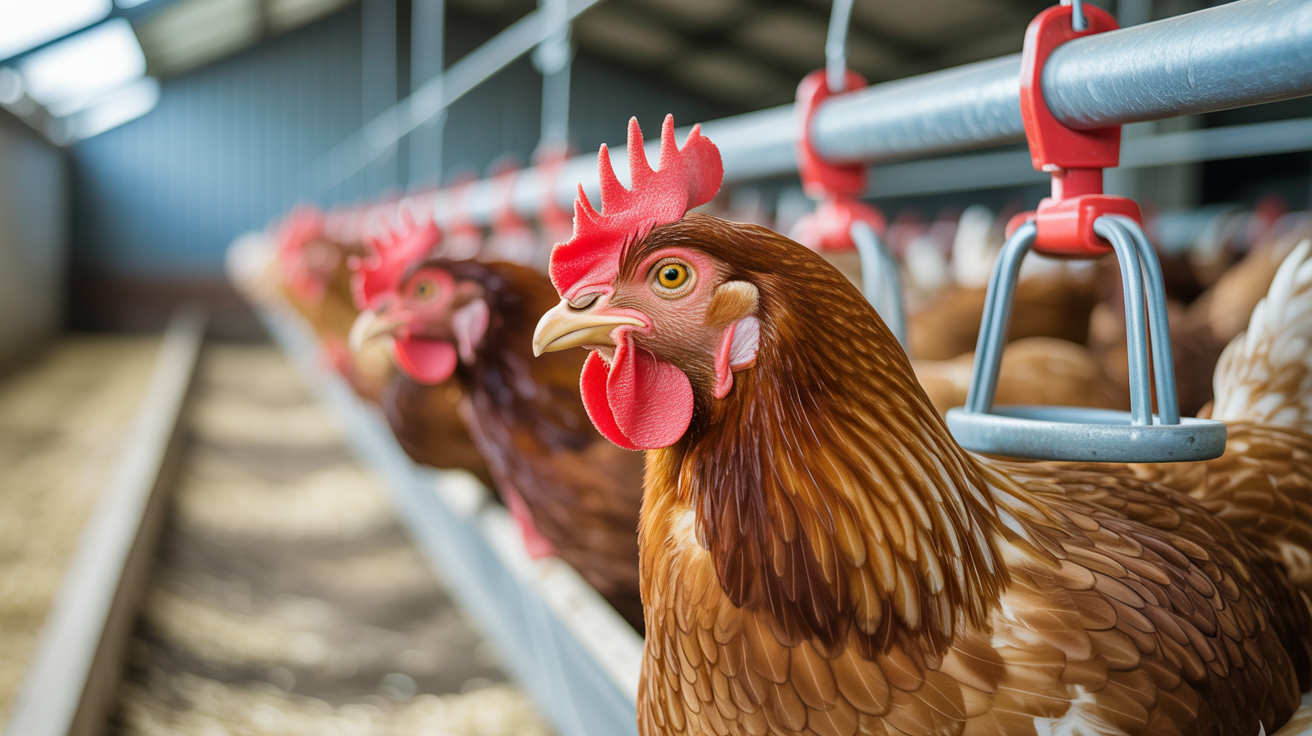
If you spend any time in backyard chicken circles, you'll eventually hear someone swear by fermented feed. The idea is simple: soak your feed in water for a few days, let beneficial bacteria get to work, and serve something closer to what ancestral foraging birds would find in nature. Whether it's worth adding to your routine depends on your flock size, your schedule, and what you're hoping to get out of it.
This guide walks through what fermentation actually does to feed, how to do it safely at home, and how it stacks up against plain dry feed or sprouting grain.
What Fermentation Does to Feed
Fermentation is a lacto-fermentation process, the same principle behind sauerkraut or yogurt. Naturally occurring lactobacillus bacteria consume sugars in the grain and produce lactic acid. That acidic environment does a few things worth knowing about.
First, it breaks down phytic acid. Phytic acid is an antinutrient present in grains and seeds; it binds minerals like zinc, calcium, and phosphorus and makes them harder for the gut to absorb. Fermentation degrades a meaningful portion of the phytic acid, so more of those minerals become available to the bird. If you're working with a scratch-heavy diet or relying on whole grains, this matters more. For hens already eating a balanced commercial layer pellet, the difference is smaller since quality pellets already account for bioavailability in their formulation. See What to Feed Backyard Chickens: A Complete Guide for a full look at the baseline diet.
Second, fermented feed has a higher moisture content and a slightly denser texture. Birds often need to eat a bit less by weight to feel satisfied, which can reduce feed costs over time. How much less varies by flock, season, and feed type; do not expect a dramatic drop, but some keepers do notice a reduction.
Third, the lactic acid environment is unfriendly to pathogens like Salmonella. The gut of a healthy chicken already has its own microbial balance, and some research suggests that feeding fermented feed supports that balance. This is not a treatment for sick birds, and if you have a health concern in your flock, please contact a poultry vet or your local agricultural extension office rather than relying on diet changes alone.
How to Ferment Chicken Feed at Home
The process itself is low-effort once you have a rhythm. Here is what you need and how it works.
What you need:
- A wide-mouth glass jar, food-grade bucket, or ceramic crock (plastic works but can hold odors over time)
- Your regular feed: pellets, crumbles, or whole grain scratch
- Dechlorinated water (leave tap water out overnight or use well water; chlorine slows fermentation)
- A loose cover like a cloth or loose lid, not an airtight seal
The process:
- Add feed to your container, filling it roughly a third to halfway.
- Pour in enough water to cover the feed by two to three inches. Feed absorbs water and swells, so more water than you expect is needed.
- Stir well, then cover loosely. Do not seal airtight; the fermentation produces carbon dioxide and needs to breathe.
- Leave at room temperature, out of direct sunlight, and stir once or twice a day.
- Within one to three days you will see small bubbles forming and smell a mild, sour, tangy scent similar to yogurt or sourdough. That is what you want.
- Drain off excess liquid (save it to start your next batch; it acts as a starter culture) and serve. The feed should look clumped, smell sour-but-pleasant, and not have any pink, orange, or fuzzy growth on the surface.
Fermented feed does not keep well once removed from the liquid. Feed it out within a day and clean the crock between batches if you see any off-color growth or smell anything putrid rather than tangy. A fuzzy surface mold means too much air exposure or a container issue; discard that batch rather than feeding it.
A batch takes two to three days at 65 to 75 degrees Fahrenheit. In a cold garage in winter it may take four to five days. In a hot kitchen it may be ready in 24 hours and can quickly tip into spoilage if you are not watching it.
Sprouting Grains: A Related but Different Approach
Sprouting and fermenting are often mentioned together but they are not the same thing. Sprouting germinates whole grains with plain water over two to five days until a small tail emerges. No lactic acid builds up; the benefit is that the grain's enzyme inhibitors are largely neutralized during germination, and the nutritional profile shifts as the seed begins growing. The sprout itself is more digestible than the dry grain.
Sprouts are easier to introduce to birds that refuse wet fermented feed. They are also a good way to offer variety and enrichment, especially in winter when foraging opportunities drop. Wheat, barley, sunflower seeds, and lentils all sprout reliably. Rinse twice a day and do not let them sit in standing water, as that invites mold. Serve once the tail is short, roughly a quarter to a half inch; longer sprouts are fine but palatability varies.
Sprouting works best as a supplement alongside a balanced diet rather than a replacement. It does not provide the probiotic component that fermentation does, but it does give the flock something to peck at and scratch around, which matters for flock contentment.
Balancing Fermented Feed with the Rest of the Diet
Fermented feed works best when it replaces some or all of the base feed rather than being added on top of it. Birds can fill up on wet feed and then ignore dry pellets, which can skew their calcium or vitamin intake if the fermented portion is unbalanced scratch rather than a complete feed.
The cleanest approach: ferment your complete layer pellet or crumble. That way the bird still gets a nutritionally balanced base, just in fermented form. Layer Feed vs. Starter vs. Grower: What to Use When has more detail on choosing the right feed type for your flock's age and stage.
One practical note: fermented feed is wet, so grit access stays important. Birds need grit to grind feed in the gizzard regardless of whether it arrives dry or wet. Calcium needs do not change either; laying hens still need free-choice oyster shell. If you are unsure whether your flock is getting enough of both, Do Chickens Need Grit and Oyster Shell? is worth a read.
Is the Effort Worth It?
For a small backyard flock of three to eight hens, the time investment is genuinely low once you are in the habit. Stir it in the morning when you open the coop, set up the next batch while you collect eggs, done. Some keepers with larger flocks ferment only part of the feed and free-choice dry feed alongside it, which reduces labor while still offering the benefit.
Where it pays off most:
- Flocks eating a lot of scratch or whole grain where phytic acid is higher
- Keepers who notice soft shells or poor feather quality and want to improve mineral uptake before adjusting the diet entirely (again, consult a vet for persistent issues)
- Winter months when hens are bored and benefit from a wetter, more interesting texture in the feed
Where it may not be worth the trouble:
- Very hot climates where fermentation tips to spoilage quickly and you cannot monitor it closely
- Large flocks where the container and labor scale becomes unwieldy
- If your birds simply refuse it, which does happen, particularly with older hens accustomed to dry pellets
There is nothing wrong with dry feed. Well-formulated commercial pellets are nutritionally complete and have been the backbone of backyard flocks for decades. Fermented feed is a practical upgrade that some keepers find genuinely useful, not a requirement for healthy birds.
Frequently Asked Questions
Can I ferment any type of chicken feed?
Yes. Pellets, crumbles, and whole grain scratch all ferment. Complete layer pellets are the most useful to ferment because the bird still gets a balanced diet in the process. Scratch alone is not nutritionally complete, so fermenting scratch and serving it as the primary feed is not a good idea.
How long does fermented feed keep?
Once drained and served, use it within a day. In the container submerged in liquid, it keeps for several days at room temperature, but quality peaks between 48 and 72 hours. In hot weather (above 85 degrees Fahrenheit), check it more frequently and use or discard within 48 hours.
My ferment smells bad. Is it ruined?
A tangy, sour, slightly yeasty smell is normal and fine. A sharp putrid smell, a rotten egg smell, or any fuzzy pink, orange, or black surface growth means something went wrong. Discard the batch, scrub the container thoroughly, and start fresh with dechlorinated water and a clean vessel.
Will fermented feed change how often my hens lay?
Not directly. Laying frequency is driven primarily by light exposure, age, and overall nutritional status. Improved mineral availability from fermentation may support shell quality in hens whose diet was previously mineral-limited, but fermented feed is not a laying booster in any meaningful sense.
Can chicks eat fermented feed?
Yes, chicks can eat fermented chick starter. The same process applies. Make sure the feed used matches their age-appropriate formulation and that the ferment smells clean before serving. Keep fresh water available separately since the wet feed does not replace their drinking water.