Feeding & Nutrition
Foods Chickens Should Never Eat
A keeper-to-keeper guide to toxic foods for chickens, from nightshade plants to moldy scraps, so you can share kitchen treats safely.
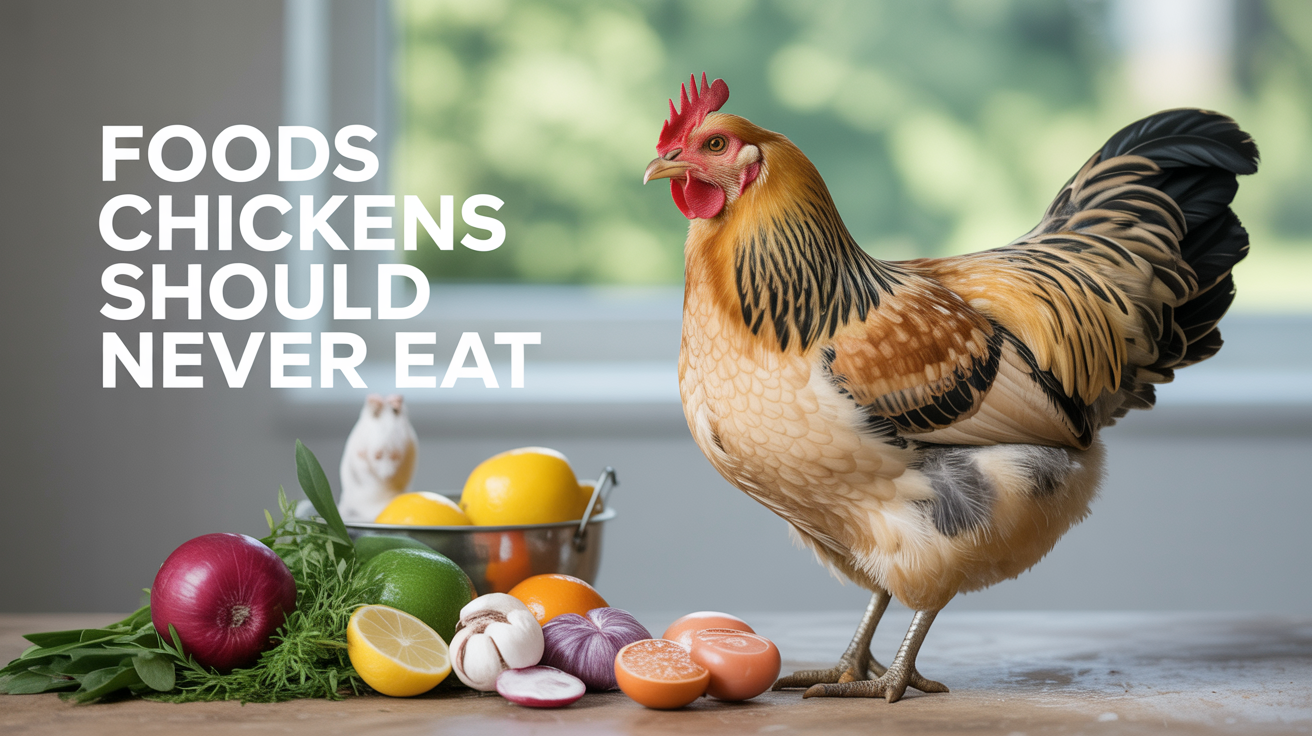
Backyard chickens are famously enthusiastic eaters. They will sprint across the yard for a piece of watermelon and investigate everything from a dropped screw to a fallen leaf. That curiosity is charming, but it also means they need you to be the filter between them and things that can hurt them.
Most keeper-to-keeper advice about scraps focuses on what chickens enjoy eating. This guide flips that: here is what to keep away from the flock, why it matters, and what to do if you suspect a bird has eaten something harmful. None of this replaces a poultry veterinarian or your local agricultural extension office if a bird is actually sick, but knowing the hazards before they come up is the whole point.
For the positive side of the picture, a complete guide to what to feed backyard chickens covers the full feed-plus-supplement picture in detail.
Kitchen Scraps That Carry Real Risk
The kitchen is where most accidental poisonings start, because people assume that if a food is safe for humans it must be fine for chickens. That logic does not hold in several categories.
Avocado is the one that surprises most new keepers. All parts of the avocado plant contain persin, a fungicidal toxin that causes respiratory distress, weakness, and heart problems in birds. The flesh carries lower concentrations than the skin, pit, and leaves, but none of it is considered safe. Avocado scraps belong in the compost bin that the chickens cannot access, not the scratch pile.
Onions, garlic, and the broader allium family eaten in large or repeated amounts can cause hemolytic anemia by breaking down red blood cells. The occasional small piece of cooked onion in a leftover casserole is unlikely to cause acute harm, but regular feeding of allium-heavy scraps adds up. Keep quantities minimal and do not make it a habit.
Raw or dried beans contain phytohaemagglutinin (PHA), a lectin that can be fatal to chickens in fairly small doses. Properly cooked beans are safe; raw, sprouted, or soaked-but-not-fully-cooked beans are not. If you are portioning out leftover chili, that is fine. A handful of dried kidney beans from the pantry is not.
Salty or heavily seasoned foods put stress on the kidneys. Chickens have a low sodium tolerance compared to most mammals. Processed snack foods, salty crackers, and heavily pickled items are all worth avoiding, especially as regular treats.
Caffeinated or alcoholic items belong in this category too. The quantities a chicken would need to consume before serious harm are relatively small. Neither coffee grounds nor beer-soaked bread is a reasonable treat option.
Garden Plants and Forage Hazards
Free-range and backyard flocks often have access to garden beds, hedgerows, and lawns. Most common yard plants are either harmless or actively good forage. A handful are genuinely dangerous.
Nightshade family plants (Solanaceae) produce alkaloids called solanine and chaconine that are toxic to chickens. This group includes tomato leaves and vines, potato leaves and green potatoes, eggplant leaves, and all ornamental nightshades. Ripe tomato fruit is generally considered safe in moderation, but the plants themselves should be fenced off or cleared away from areas where chickens roam.
Rhubarb leaves contain high concentrations of oxalic acid. The stalks that people eat are much lower in oxalic acid and are sometimes shared as a treat, but the leaves should be removed from any area accessible to the flock.
Foxglove, oleander, and yew are ornamental plants common in residential landscapes, and all are toxic to chickens at low doses. If you are planning a new garden bed near your run, it is worth checking which plants are going in before laying out the design.
Azaleas and rhododendrons contain grayanotoxins that interfere with sodium channel function. Chickens rarely seek out these plants, but if bushes border your run and branches drop inside during pruning or wind, clear them out.
Black nightshade berries can appear in lawn edges and disturbed soil. They look tempting to foraging birds. The berries are toxic; remove plants when you find them near the run perimeter.
Poisonous plants for chickens vary somewhat by region, so if you have plants in your yard that you cannot identify, your local cooperative extension office is a good resource. They can tell you what is common in your area and what to watch for.
Mold, Spoilage, and Stored Feed Gone Wrong
One category that does not always get enough attention is moldy or spoiled food. Chickens do not reliably avoid it the way some animals might.
Aflatoxins, produced by certain molds (particularly Aspergillus species) on grain and corn, are genuinely dangerous at low levels. Moldy feed can also carry other mycotoxins that suppress immune function, reduce egg production, and cause liver damage over time. The rule is simple: if the feed smells off, has visible mold, or has gotten wet and clumped, replace it rather than hoping the chickens will pick around the bad parts.
This applies to kitchen scraps as well. Bread that is a day old is a reasonable treat; bread with visible mold is not. The same goes for fruit and vegetable scraps.
Stored feed that has been sitting in a warm location, especially through summer, can develop mold without visible signs. Buy in quantities you will rotate through within four to six weeks, store in a cool dry container, and check it when you open each new bag.
Medicated Chick Feed and Laying Hens
This one is not a toxicity issue in the traditional sense, but it matters enough to include. Medicated starter feeds contain amprolium, which is used to prevent coccidiosis in young chicks. It is not harmful to chicks or pullets, but laying hens should not be eating it continuously. If you have a mixed-age flock or you are transitioning birds between feed types, keep medicated starter away from actively laying hens.
For context on how feed types break down across different stages, layer feed vs. starter vs. grower, and what to use when walks through the categories in detail.
What to Do If a Chicken Eats Something It Should Not Have
Chickens are not always forthcoming about what they have been doing. If you see a bird eat something toxic, or if you find an empty container or chewed plant and are not sure what happened, watch the flock closely for the next 12 to 24 hours.
Signs that warrant a call to a poultry vet include sudden lethargy or collapse, labored breathing, drooping wings, visible tremors, watery or blood-tinged droppings, or a bird that will not stand or move with the flock. These can have multiple causes, but if you have a reason to suspect ingestion of something harmful, that context matters when you call.
If you are not sure whether something is toxic or how serious a specific exposure might be, your local agricultural extension office often has poultry specialists or can connect you with one. Do not wait several days before reaching out if a bird looks genuinely unwell.
Keeping the run clear of garden debris, doing a quick scan of dropped material after storms, and being thoughtful about kitchen scraps covers most of the day-to-day risk. A breakdown of grit and oyster shell needs is also worth reading alongside this one, since proper digestion depends on those supplements being available when you are offering any treats or foraging opportunities.
Frequently Asked Questions
Can chickens eat tomatoes? Ripe tomato fruit is generally considered safe in small amounts. The concern is with the plant itself: leaves, stems, and unripe green tomatoes all belong to the nightshade family and contain solanine, which is toxic. If you grow tomatoes and your chickens have access to the garden, fence the plants off.
Is bread bad for chickens? Plain bread in small amounts is not toxic, but it is low in nutrition and high in carbohydrates. The real issue is moldy bread, which can carry mycotoxins that are genuinely harmful. Fresh bread as an occasional treat is generally fine. Moldy bread should go to the compost, not the flock.
Are potato peels safe? Cooked potato flesh without the skin is generally fine. Green potatoes and potato peels (especially from potatoes that have been exposed to light and turned green) contain solanine and should be avoided. If peels are pale and from freshly stored potatoes, small quantities are considered low-risk by most keepers, but green potatoes in any form are worth skipping entirely.
What happens if a chicken eats onion? Small or one-time exposure to cooked onion in mixed scraps is unlikely to cause acute symptoms. Regular or large amounts can cause hemolytic anemia over time, which is harder to spot and harder to reverse. It is easier to leave alliums out of the scrap bucket than to estimate how much is too much.
Can chickens eat citrus? Citrus is one of those areas where keeper opinion is divided. Some keepers offer orange peels and lemon wedges without any apparent issues. Others report that citrus in larger amounts can reduce egg production and cause digestive upset. It is not considered acutely toxic the way avocado is, but it is also not a necessary or nutritious treat. When in doubt, skip it.