Feeding & Nutrition
How to Keep Chickens Hydrated in Summer and Winter
Practical tips for watering chickens year-round, from choosing the right chicken waterer to keeping water from freezing and knowing when electrolytes help.
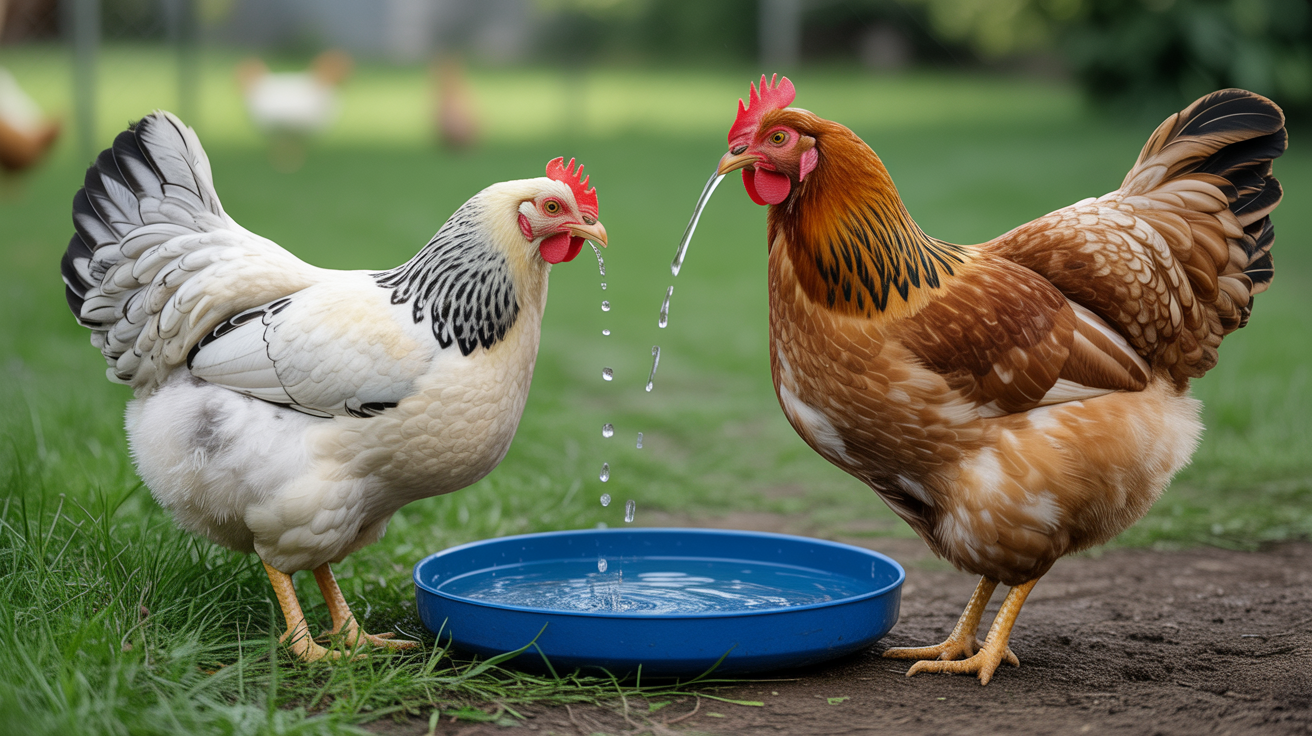
Water is the single most important thing your flock has access to every day. A chicken can skip a scratch treat without issue, but even a few hours without water on a hot afternoon can pull down laying rates and stress already vulnerable birds. Getting watering right is not complicated, but it does require thinking ahead for the season you are actually in.
This guide covers the essentials of watering chickens across all four seasons, with extra attention to summer heat and winter freezing because those are the two conditions where water access fails most often.
Why Water Is Central to Your Flock's Health
Chickens are roughly 60 to 70 percent water by body weight. Eggs are mostly water. Digestion, temperature regulation, blood circulation and nutrient absorption all depend on steady hydration. When intake drops, the effects show up fast: softer shells, fewer eggs, droopiness, reduced feed consumption.
A laying hen typically drinks between 500 and 700 milliliters of water per day under normal conditions. In summer, that can double. Young birds, older hens, and any bird recovering from illness need reliable access around the clock.
One thing worth noting before diving in: if birds are drinking dramatically more or less than usual with no obvious environmental cause, or if you see signs of swollen faces, discharge, or lethargy alongside unusual drinking, that is worth a call to a poultry vet or your local agricultural extension office. Unusual thirst or refusal to drink can be an early flag for something that needs a professional eye.
Choosing and Positioning a Chicken Waterer
The style of chicken waterer you use matters less than keeping it clean and full. That said, some designs hold up better in real-world backyard conditions.
Gravity-fill founts (the classic metal or plastic gallon-style bell drinkers) are the most common starting point. They are simple to fill, easy to clean, and reasonably inexpensive. A two-gallon fount works well for a small flock of four to six birds. Larger flocks need more capacity or multiple units.
Nipple drinkers attach to a bucket or PVC pipe and dispense water only when a bird pecks the nipple. They stay cleaner than open founts because bedding and droppings are less likely to get in. The learning curve is short for most chickens, and they adapt within a day or two. Horizontal nipples tend to be easier to learn from than vertical ones.
Open bowls and troughs work in a pinch, but they foul quickly. They are fine in a temporary setup but not ideal as a permanent solution.
Wherever you put the waterer, height matters. Position it so the rim sits roughly at the birds' back height. This reduces the amount of debris they kick in. Keep it out of direct sun in summer and under cover to slow algae growth. If you have multiple coops or a large run, more than one watering point reduces competition and makes sure lower-ranking birds can drink without being bullied away.
Rinse and refill the waterer daily. Scrub it with a stiff brush a couple of times a week. Biofilm, algae, and droppings in the water are a source of pathogens, and birds will sometimes avoid fouled water even when thirsty, which is the opposite of what you want.
Water quality also connects directly to what your flock eats. For more on building a complete nutrition picture, what to feed backyard chickens: a complete guide is a good companion read.
Watering Chickens in Summer
Heat stress is a genuine welfare risk for chickens. Unlike dogs, chickens cannot pant efficiently enough to cool down quickly. They spread their wings, breathe rapidly, and reduce activity. Their main tool against overheating is drinking water.
In summer, your job is making sure cool, clean water is always within reach.
Fill and refresh more often. On a hot day, warm stagnant water sitting in a metal fount for several hours becomes unappealing. Birds may drink less simply because the water is unpalatable. Check it midday and swap in cool water if needed.
Add ice on extreme heat days. Dropping a few ice cubes in the waterer keeps the temperature lower for longer. Some keepers freeze large blocks of water in plastic containers overnight and float them in the drinker. It is low-effort and noticeably effective.
Add extra waterers. With more birds competing for water in the heat, having a second or third source reduces the chance any bird gets cut off during a crowded afternoon.
Watch for signs of heat stress. Panting with open beak, wings held away from the body, and unsteady walking are warning signs. Move affected birds to shade and cool water immediately. If a bird is unresponsive or seems severely distressed, contact a vet.
Shade, ventilation, and frozen treats like chilled watermelon also help, but none of those substitutes for plentiful clean water.
How to Keep Chicken Water from Freezing in Winter
Frozen water is one of the most common problems backyard keepers face in cold climates. Ice in the waterer looks like water until you check it, and birds that cannot drink for several hours in freezing temperatures lose condition quickly.
The simplest answer for many keepers is a heated waterer base. These are electric platforms designed to sit under a standard metal fount and keep the water just above freezing. They draw modest amounts of electricity and are widely available at farm supply stores. Use only products rated for outdoor and poultry use. Keep cords away from curious beaks.
If you do not want an electric setup, the most practical workaround is carrying out warm water twice or three times a day and swapping waterers. Keep a second fount indoors. When the outdoor one freezes, swap it with the warm indoor one. It is more work, but it avoids a power run to the coop.
Insulated fount covers slow freezing in mild conditions but will not hold against hard freezes. They are useful as a supplement, not a standalone solution.
A few things to avoid: do not add salt to the water to lower the freezing point. Chickens are sensitive to sodium. Vinegar in small amounts is sometimes used to slow algae and mineral buildup, but it does not meaningfully prevent freezing.
Check the waterer first thing every morning in winter. Ice forms overnight fast, and birds that go without water from sundown to mid-morning are significantly underfed on the hydration side.
Also remember that chickens eat more in winter because they burn calories staying warm. Feed and water go hand in hand. If you are reviewing your winter feed setup, layer feed vs starter vs grower: what to use when covers the feed side of cold-weather management.
When to Add Electrolytes for Chickens
Electrolytes are a blend of sodium, potassium, and other minerals designed to help birds recover from stress-related fluid loss. They are not a daily supplement for healthy birds, but they have a practical place in a keeper's toolkit.
The situations where electrolytes genuinely help:
After transport or shipping. Chicks or adult birds that have been in transit are often dehydrated. Offering electrolyte water for the first 24 to 48 hours gives them a boost while they settle in.
During and after heat waves. When temperatures climb into the upper 90s or above, birds panting heavily lose electrolytes through respiration. A short course of electrolytes in the water helps them recover.
After illness or antibiotic treatment. Birds coming off medication or recovering from a GI illness often benefit from a brief electrolyte course.
Chick brooder starts. Some keepers offer electrolyte water to day-old chicks for the first few days. It is not strictly necessary for healthy chicks with good access to clean water, but it does no harm and may help birds that were stressed during shipping.
Plain water is the right choice for day-to-day keeping. Electrolytes should not be a permanent addition to the waterer. Follow package directions, and do not exceed the recommended concentration.
Grit and mineral supplementation are closely connected to overall flock nutrition. For a look at how oyster shell and grit fit into the picture, see do chickens need grit and oyster shell.
Frequently Asked Questions
How many waterers do I need for a small backyard flock?
For four to six hens, one two-gallon fount works most of the time, but having a backup on hand is smart, especially in summer. If you notice lower-ranking birds getting pushed away from the water, add a second drinker in a different corner of the run.
Can chickens drink too much water?
In healthy birds with no underlying conditions, excessive drinking is usually a response to heat or to a diet that is too high in salt. If a bird is drinking dramatically more than others with no obvious cause, it is worth keeping an eye on and potentially consulting a vet, as excessive thirst can sometimes signal a health issue.
How do I clean slime and algae out of a plastic waterer?
A scrub brush and warm water handles most buildup. For stubborn biofilm, a dilute white vinegar solution (roughly one part vinegar to nine parts water) soaked for fifteen minutes loosens it without leaving harmful residue. Rinse thoroughly before refilling. Avoid bleach-based cleaners unless you rinse extremely well, as residue can deter birds from drinking.
Should I put anything in the water to keep it fresh longer?
A splash of apple cider vinegar (about one tablespoon per gallon) is a common practice to slow algae growth and support gut health. The evidence for strong health claims is thin, but at that concentration it is harmless. Do not use it with metal founts, as the acidity speeds corrosion. Plain water, changed daily, is the baseline that matters most.
What temperature is too cold for a chicken waterer?
Any sustained temperature at or below 32 degrees Fahrenheit (0 degrees Celsius) will freeze an unheated waterer. In practice, an unheated metal fount sitting in an uninsulated coop can freeze solid before dawn if overnight temperatures drop much below freezing. A heated base or twice-daily swapping keeps water accessible regardless of overnight lows.