Chicken Breeds
Quiet Chicken Breeds Worth Choosing for Neighbors and Small Lots
Which quiet chicken breeds actually keep the peace with neighbors, why roosters matter more than breed, and how coop placement softens noise.
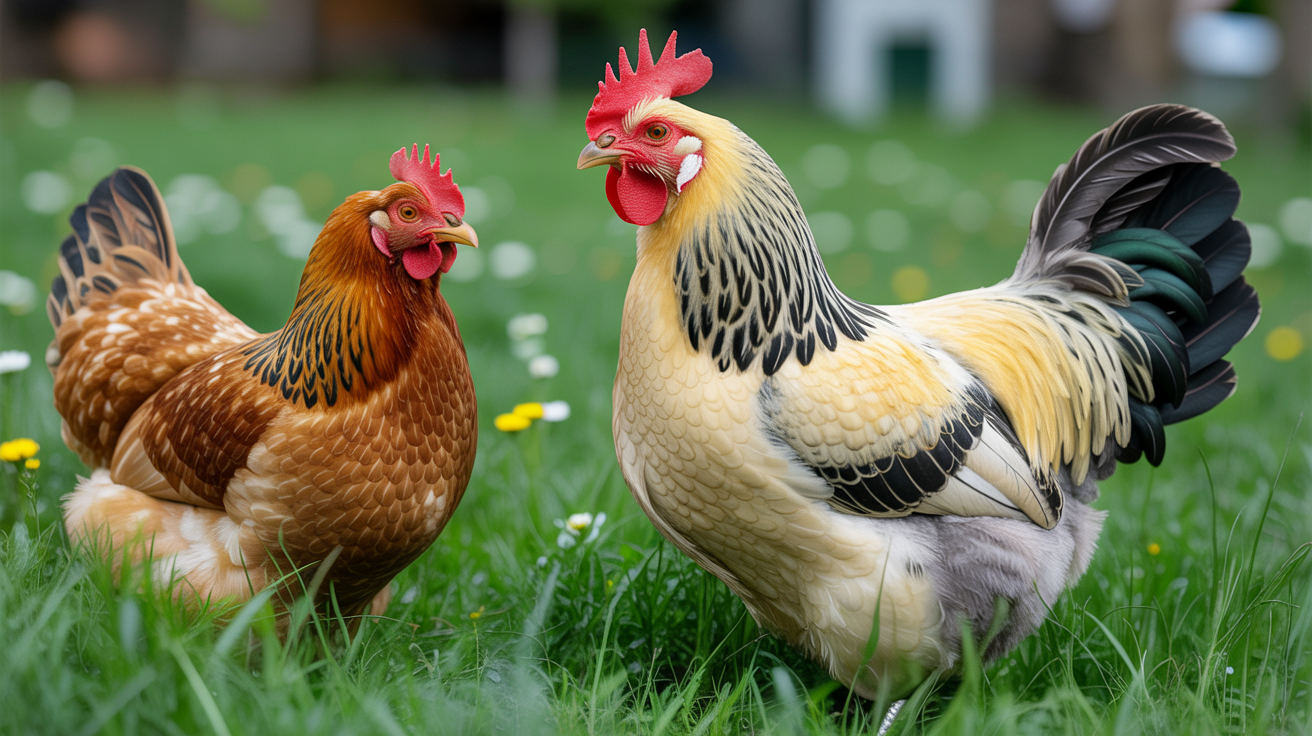
If your yard backs up to a neighbor's bedroom window, the question isn't whether chickens make noise. They do. The real question is how to pick quiet chicken breeds and manage the flock so that noise stays low enough that nobody calls the city on you. Hens are not silent animals, and the loudest sound most of them make, the egg song right after laying, has nothing to do with breed selection and everything to do with being a hen. But breed does shift the baseline, and a few other choices matter just as much.
Why hens make noise in the first place
Before ranking breeds, it helps to know what you're actually dealing with. A laying hen typically lets out a burst of clucking a few minutes after she lays an egg, sometimes joined by the rest of the flock. Nobody fully agrees on why they do it (announcing the egg, celebrating being done, or just releasing tension), but it happens across nearly every breed and every hen. It usually lasts under a minute and fades on its own.
Beyond egg song, hens make contact calls to each other, alarm calls when something spooks them (a hawk shadow, a dog, a slamming door), and a general low murmur while foraging. None of that is loud in the way a rooster's crow is loud, but a nervous or bored flock will vocalize more than a calm, occupied one. Environment and management change the volume as much as genetics do.
Roosters are the real noise-ordinance risk, not hens
Here's the part that gets lost in breed-shopping: if you're worried about noise complaints, the single biggest lever you control isn't which breed you pick. It's whether you keep a rooster at all. A rooster crows on his own schedule, loudly, repeatedly, starting well before sunrise and continuing through the day. Hens simply don't produce anything close to that in frequency or carrying power.
Most municipal noise ordinances that target chickens are really targeting roosters, sometimes explicitly by name. A flock of hens only, with no rooster, is legal in a huge number of suburban and urban zones where a rooster would get you cited. Since hens don't need a rooster around to lay eggs (they only need one if you want fertilized eggs to hatch), a hens-only flock is both the quieter option and often the only option your local rules allow. Our guide on how to check local rules for backyard chickens walks through where to look, including rooster bans and flock size caps, before you commit to breeds or a coop design.
So the plan for close neighbors starts here: no rooster, full stop. Breed choice is the second lever, and it's a real one, just not the whole answer.
Quiet chicken breeds to consider
Breed temperament guides tend to describe noise level in relative, qualitative terms rather than anything measurable, and that's the honest way to talk about it. A breed known for being calm will still have the occasional loud, dramatic hen in the mix. With that caveat up front, here's how commonly kept breeds tend to be described, from generally quieter to more vocal.
| Breed | General noise tendency | Notes |
|---|---|---|
| Orpington | Quieter | Calm, easygoing temperament; often recommended for beginners and families |
| Australorp | Quieter | Steady and unflappable; not prone to drama or loud alarm calling |
| Brahma | Quieter | Large, docile, and slow-moving; rarely the instigator of flock noise |
| Wyandotte | Moderate | Generally calm but can be more alert and vocal when startled |
| Plymouth Rock | Moderate | Friendly and social, which sometimes means more chatter |
| Rhode Island Red | Moderate | Confident and hardy, with a stronger, more assertive voice than the quieter breeds |
| Leghorn | More vocal | Flighty and high-strung by reputation; quick to sound alarm calls |
| Hamburg | More vocal | Active, independent, and known for a louder egg song |
Orpingtons, Australorps, and Brahmas show up again and again in temperament descriptions as calm, unflappable birds that don't startle easily and don't seem to enjoy the sound of their own voice the way some other breeds do. That doesn't mean an Orpington will never make a fuss. It means that as a group, they lean toward steady rather than dramatic.
On the more vocal end, Leghorns are prized for egg production but have a reputation for being flighty and alert, which tends to translate into more alarm calling and a louder egg song. If a quiet yard is your top priority, a production-focused breed like this is probably not your best match, even though it's a fine bird for someone without close neighbors.
If you're just getting started and want a broader rundown of temperaments, hardiness, and care needs beyond noise alone, our beginner breed guide covers the full picture, since noise is only one factor among several when you're choosing your first flock.
Individual birds vary more than any breed guarantee
Breed tendencies are averages, not promises. Within any flock of six Orpingtons, you'll likely find one hen who's louder than the other five combined, and within a flock of six Leghorns, you might get a genuinely mellow bird. Personality varies bird to bird the same way it does in dogs of the same breed. A breed list is a reasonable starting point for stacking the odds in your favor, not a guarantee that every hen you bring home will behave the way the chart says.
If keeping noise low is a hard requirement, plan on meeting or at least observing hens before committing, when that's possible, and be ready to rehome an unusually loud individual if it becomes a real problem with neighbors.
One more option worth a mention: bantam breeds, the miniature versions of standard chickens, are sometimes recommended for small lots and tight quarters, partly because a smaller bird often (though not always) produces a smaller, less carrying voice. If space is as much a concern as noise, our guide to bantam chickens covers whether the tradeoffs (smaller eggs, different housing needs) make sense for your situation.
Coop placement and run screening as noise-softening measures
Breed selection is one lever. Where you put the coop and run, and what surrounds them, is another, and it's one people underestimate.
Distance and orientation. Put the coop and run as far from the shared property line and from your neighbor's windows as your yard allows. Sound carries less over distance, obviously, but orientation matters too: a coop tucked behind a garage, shed, or dense hedge has a physical barrier breaking up the sound path, not just extra feet.
Solid fencing over open wire. A solid privacy fence or wall between the run and the neighboring yard blocks and diffuses sound more effectively than open wire fencing, which lets noise travel with almost nothing in its way. Even a run of tall shrubs or a stacked woodpile along that side helps.
Cover and enrichment inside the run. A flock with things to do (dust bath areas, perches, scratch areas, some shade and overhead cover) tends to settle rather than pace and call out from nerves or boredom. Chickens that feel exposed to hawks or unfamiliar noise from above tend to sound more alarm calls, so overhead cover, even simple netting or a tarp section, can quiet things down.
Timing on coop access. If your run has an automatic door, letting hens out a little later than sunrise on weekends, once light lets you see well enough, avoids the flock's noisiest early-morning activity window during the hours neighbors are most likely to be sleeping in.
Talk to your neighbor before you start. This isn't a construction tip, but it's a practical one. A neighbor who's heard your plan, understands you've picked hens-only and calmer breeds, and knows to come to you directly with any concern is far less likely to escalate to a formal noise complaint than one who's caught off guard by clucking one morning.
Frequently Asked Questions
Are any chicken breeds actually silent?
No. Every hen vocalizes, including egg song after laying, contact calls, and alarm calls. What varies by breed is the general tendency toward calm versus flighty behavior, which shifts how often and how dramatically a bird tends to call out. Silent is not a realistic goal; noticeably quieter is.
Do hens need a rooster to lay eggs?
No. Hens lay eggs on their own regular cycle without a rooster present. A rooster is only needed if you want the eggs fertilized for hatching. Since roosters are the main source of the loud, repetitive crowing that triggers most noise complaints, a hens-only flock is usually the single biggest step toward a quiet yard.
Will a quiet breed guarantee no noise complaints?
No single breed can guarantee that, since individual birds vary and even calm breeds have an occasional loud hen. Combining a calmer breed, a hens-only flock, thoughtful coop placement, and a heads-up conversation with your neighbor gives you the best realistic odds.
Is egg song something you can train out of a hen?
Not really. Egg song appears to be instinctive rather than a learned habit, so it's not something training or handling reliably eliminates. It's also brief, typically lasting well under a minute per hen, which makes it easier to plan around (coop placement, timing) than to prevent outright.
Are bantam breeds automatically quieter than standard breeds?
Often, but not always. Smaller birds sometimes produce a less carrying voice, and bantams are frequently suggested for small or tight lots for that reason along with their smaller space needs. But temperament still varies by breed and individual, so a flighty bantam breed can still be more vocal than a calm standard-sized bird.