Chicken Breeds
Bantam Chickens: Are Mini Breeds Right for You?
Bantam chickens are a quarter the size of standard birds but bring just as much personality. Find out whether small chicken breeds fit your yard, goals, and...
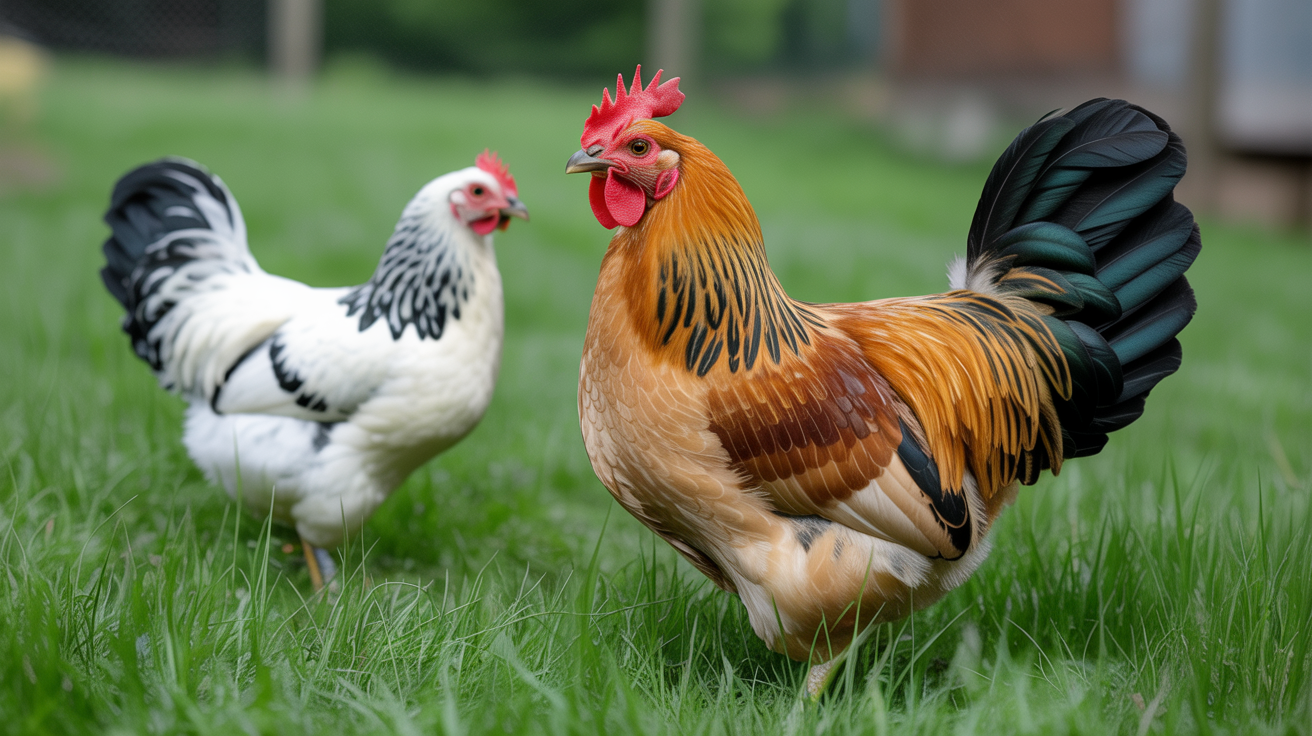
If you are working with a small yard, keeping chickens for kids, or just want something that eats less feed and takes up less coop space, bantam chickens are worth a serious look. They are not a novelty. They are real birds with real needs, and many keepers with plenty of room choose them anyway because they enjoy the breeds themselves.
This guide walks through what bantams actually are, which breeds are most beginner-friendly, how they compare to standard-sized birds in practical terms, and whether they make sense for your situation.
What Makes a Chicken "Bantam"?
The word bantam refers to a small chicken. Most bantams weigh between one and two and a half pounds, compared to the four to eight pounds typical of standard breeds. Beyond that, the term covers two distinct groups.
True bantams have no standard-sized counterpart. They were developed specifically as small birds, and Sebrights, Silkies, and Dutch bantams fall here. These breeds exist only in bantam form.
Miniaturized bantams are scaled-down versions of larger breeds. A bantam Plymouth Rock is essentially a Plymouth Rock at about a quarter of the weight. Miniaturized bantams often share the temperament and production characteristics of the original breed, just in smaller form.
This distinction matters when you are shopping for chicks or hatching eggs. Hatchery listings will often specify which type you are getting, and true bantams tend to have slightly different egg sizes and laying frequencies than their miniaturized cousins.
Popular Bantam Breeds Worth Considering
Not every bantam breed suits a beginner. Some are flighty, some go broody constantly, and some are fragile in wet climates. The ones below tend to be manageable for a first flock.
Silkie is the most recognized small chicken breed and for good reason. They are calm, frequently broody, and handle confinement without becoming stressed. Silkies also get along with children and other animals better than most birds. Their feathered feet need dry conditions, so muddy runs are a real problem. Egg production is modest, typically three or four small eggs per week when they are not brooding.
Cochin Bantam shares the Silkie's calm disposition and love of sitting. They are heavier than most bantams and carry a thick feathered foot that also needs to stay dry. Good layers of small eggs and genuinely gentle.
Dutch Bantam is a true bantam and one of the smallest. They are active and curious, handle free-ranging well, and lay a reasonable number of white eggs for their size. Not as lap-friendly as Silkies, but not flighty or aggressive either.
Sebright is a true bantam bred purely for appearance, with beautiful laced feathers. They are alert and quick, a bit harder to handle than Cochins or Silkies, and lay infrequently. Beginner-friendly if you want them as pets or show birds, but not if eggs are the priority.
Bantam Orpington takes everything people like about the standard Orpington and scales it down. Docile, cold-tolerant, decent layers, and good with children. One of the better all-around choices for a first bantam flock.
If you are still deciding whether to go bantam or standard, it helps to have a broader picture of what breeds work well for beginners. The best chicken breeds for beginners covers standard-sized options that are equally forgiving.
Bantam vs Standard: How They Really Compare
Comparing bantam vs standard birds honestly means looking at a few specific areas: space, feed, eggs, and behavior.
Space. Bantams need less coop room per bird, roughly one to two square feet inside versus four square feet for standards. Run space follows a similar ratio. This is the most common reason keepers in tight urban or suburban lots choose bantams. You can keep a small, functional flock where a full-sized flock would be crowded or prohibited by ordinance.
Feed. A bantam eats about a quarter of what a standard bird does. Over a year across a small flock, that adds up. Feed costs are a real consideration, and bantams come out ahead.
Eggs. This is where bantams trade off. Their eggs are roughly half the size of a standard egg, and some bantam breeds lay fewer of them. If you want a steady egg supply for cooking, you will need more birds to match what a few standard hens produce. Two bantam eggs equal roughly one standard egg by volume. Bantam eggs are perfectly usable but require adjustment in recipes.
Behavior. Many bantam breeds are calmer and more tolerant of handling than standards, which makes them genuinely better for families with young children. Some breeds, like Sebrights and Dutch bantams, are more independent and active. Bantam roosters are a separate conversation: they are often more aggressive than their size suggests, and a bantam rooster can be harder to manage than a standard rooster that has been raised calmly.
Cold hardiness. Small body mass means bantams lose heat faster than large birds. In northern winters, they need a draft-free coop and may need supplemental warmth during hard freezes. Feather-footed bantams are especially vulnerable to frostbite on their feet in wet, cold conditions. If you are in a cold climate, weigh this carefully. Cold-hardy chicken breeds for northern climates can help you compare options if harsh winters are a regular part of your year.
Setting Up Housing and Care for Bantams
Bantams can use the same coop hardware as standard birds, scaled down or just allocated in smaller amounts. A few things are worth adjusting.
Roost height. Bantams can injure their feet and legs jumping from high roosts. Keep the highest roost no more than eighteen inches off the ground, or add intermediate steps so they can hop up in stages. This is especially important for heavy-bodied breeds like Cochins.
Nest boxes. Standard nest boxes work fine, but bantams will use smaller ones happily. Twelve inches square is comfortable; ten inches works for most breeds.
Predator pressure. Bantams are small enough that predators who ignore standard hens may target them. Hawks, rats, weasels, and even large cats see bantams as viable prey. A covered run is more important with bantams than with larger birds.
Mixing with standards. Bantams and standard birds can coexist, but size matters at the feed station and when establishing pecking order. In a mixed flock, bantams often end up at the bottom. If you mix, watch for birds being blocked from food or bullied persistently. Giving bantams a separate feeding station helps.
Broodiness. Many bantam breeds go broody reliably, which is either a feature or a problem depending on your goals. If you want to hatch eggs, a broody bantam is a better incubator than most machines. If you want steady egg production, a frequently broody hen means weeks of no eggs. Silkies and Cochins are especially prone to this.
For a look at how egg production varies by breed and whether bantam output meets your needs, the best egg-laying chicken breeds breaks down which birds reliably produce and which prioritize other traits.
Are Bantam Chickens Right for Your Situation?
Bantams make the most sense in a few specific situations.
They are well-suited for small lots where space limits how many standard birds you could keep comfortably. They are a good fit when the flock is primarily for companionship or children's involvement rather than high egg output. They work well for keepers who enjoy breed diversity and want to keep more variety without needing a large coop.
They are less ideal if your primary goal is eggs for a household. You can get there with bantams, but you will need a larger flock and should choose a laying-oriented breed. They are also less suited for climates with severe winters unless you are prepared to manage their housing carefully.
As with any breed decision, the welfare question comes first. A small chicken in a cramped, wet, predator-unsecured setup is not better off for being small. Bantams still need dry bedding, access to fresh water, protection from predators, and enough room to move. The fact that they need less of it does not change the baseline obligation.
If you have a specific breed in mind and are not sure it fits your climate, local extension office staff or a poultry veterinarian can often give you region-specific input that general guides cannot.
Frequently Asked Questions
How many bantam eggs equal one standard egg?
Roughly two bantam eggs equal one large standard egg by volume. The yolk-to-white ratio is slightly higher in bantam eggs, which some bakers prefer, but for most cooking purposes you adjust by number rather than by weight.
Can bantams and standard chickens share a coop?
Yes, with supervision. Size differences mean bantams can be bullied or crowded out at feeders. In a well-managed mixed flock with enough space and multiple feeding stations, they typically work out. Watch for persistent pecking or exclusion from food, especially in the first few weeks.
Do bantams need a different feed than standard chickens?
No. The same layer feed or grower feed appropriate for standard birds works for bantams. They simply eat less of it. Chick starter is the same product; bantam chicks just need finer crumble or the ability to peck at a size they can manage.
Are bantam roosters more aggressive than standard roosters?
Some keepers find bantam roosters more assertive relative to their size, and they can be persistent. Whether a rooster becomes aggressive depends heavily on how he is raised and handled from a young age. Breed matters too: Sebright and Old English Game bantam roosters tend to be feistier than Cochin or Orpington bantam roosters.
How cold is too cold for bantams?
There is no single answer, but bantams are more susceptible to cold than large birds because they lose heat faster. Most bantam breeds do fine in temps down to the low twenties Fahrenheit with a dry, draft-free coop and enough flock-mates to huddle. Feather-footed breeds need extra attention in wet cold to prevent frostbite. If overnight lows regularly drop below ten degrees, supplemental coop heat or a well-insulated small space is worth considering.