Chicken Breeds
The Best Chicken Breeds for Beginners
New to backyard chickens? These calm, hardy breeds lay reliably and forgive beginner mistakes. Find your perfect starter flock right here.
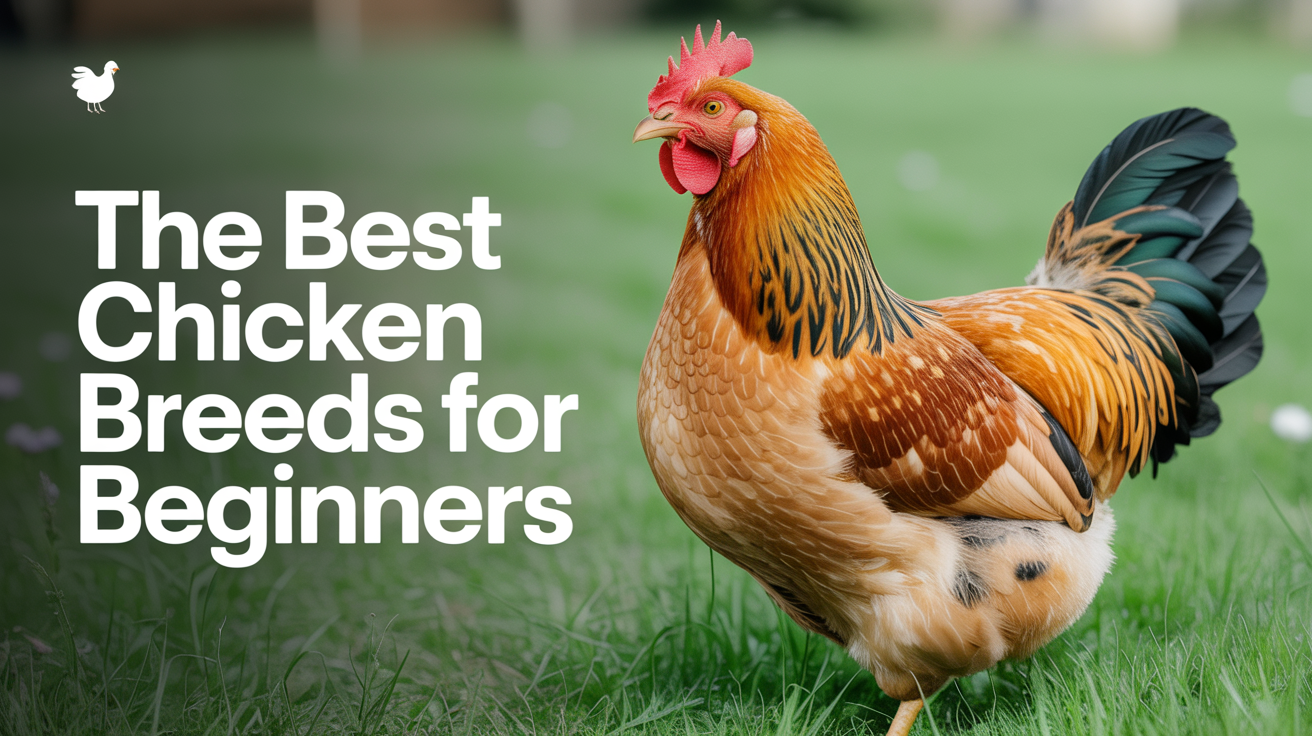
Starting your first flock is exciting, and picking the right breed makes the whole experience a lot smoother. Some breeds handle beginner mistakes gracefully, stay calm around kids, and lay eggs reliably year-round. Others are flighty, noisy, or need more care than a new keeper is prepared to give. Here are the breeds that consistently make first flocks a success.
What Makes a Breed "Beginner-Friendly"?
Before picking your birds, it helps to know what you're actually looking for. A good starter breed checks most of these boxes:
- Docile temperament. Calm birds that don't panic at every shadow are easier to handle, easier to catch when you need to examine them, and safer around children.
- Hardy constitution. Breeds that tolerate a range of temperatures and bounce back from minor stress suit beginners who are still sorting out coop ventilation and feeding routines.
- Reliable egg production. Laying 4-5 eggs per hen per week in peak season keeps new keepers motivated and gives you something concrete to show for the effort.
- Adaptability to confinement. If your run is on the smaller side (10-12 sq ft per bird in the run is a common starting point), you want a breed that isn't miserable unless it has acres to roam.
- Widely available. Breeds that are stocked by most hatcheries and farm stores are easier to source and replace.
No single breed nails every category, but the ones below come close.
Top Beginner Chicken Breeds
Rhode Island Red
Rhode Island Reds are probably the most recommended backyard chicken for a reason. A mature hen lays around 250-300 brown eggs per year and keeps going even in winter when other breeds slow down. They're confident, curious birds that warm up to their keepers fairly quickly.
The only caveat: roosters (and some hens) can be assertive. If you're getting chicks straight-run, plan for that possibility. Pure RIRs bred for production can be a bit more intense than the "heritage" lines, so if you have young kids, look for a heritage-type strain from a small hatchery.
Plymouth Rock (Barred Rock)
Barred Rocks are big, calm, dual-purpose birds that are hard to rattle. They lay about 200-280 large brown eggs per year and have a mellow, friendly personality that makes them easy to handle from day one. Their cold hardiness is excellent; the single comb stays smaller than some breeds, so frostbite risk is lower. They free-range well but also do fine in a moderate-sized run. For most beginners, the Barred Rock is a set-it-and-forget-it choice.
Buff Orpington
Buff Orpingtons are the golden retrievers of the chicken world. They are large, fluffy, gentle birds that genuinely seem to enjoy human company. Expect roughly 200-250 light-brown eggs per year, which isn't the highest production figure but it's consistent. They're excellent with children and tend to go broody, which can be a fun experience if you want to hatch eggs naturally. The flip side of that fluffy feathering is that they need dry, well-ventilated housing; wet feathers and damp bedding are harder on this breed than on tighter-feathered ones.
Easter Egger
Easter Eggers aren't a true breed (they're crosses carrying the blue-egg gene), but they're worth including because new keepers love the colored eggs and the birds themselves are reliably friendly and hardy. Each hen lays a different shade (blue, green, olive, pink, or cream) at around 200-250 eggs per year. They're generally calm, curious, and good in mixed flocks. Just know that "Ameraucana" and "Araucana" at a farm store are usually Easter Eggers, which is fine; just don't expect breed-show conformity.
Black Sex-Link (Black Star)
Sex-links are production crosses where males and females look different at hatch, so you're guaranteed hens. Black Sex-Links lay about 280-300 large brown eggs per year and are surprisingly friendly for a production bird. They're small enough to eat less feed per hen than the big dual-purpose breeds, which matters when you're running four to six birds. They're not as cold-hardy as Rocks or Wyandottes, so in climates with hard winters, plan for good coop insulation and check on them when temperatures drop below 10°F.
Speckled Sussex
Sussex chickens are underrated in the beginner conversation. They're calm, they forage well, and they have a curious, approachable personality. Speckled Sussex lay around 200-250 light-brown eggs per year and seem genuinely unbothered by changes in routine. They're also attractive birds, which matters if your chickens are partly a backyard feature as much as a food source.
Breed Comparison at a Glance
| Breed | Eggs/Year (approx.) | Egg Color | Temperament | Cold Hardy | Good in Small Run |
|---|---|---|---|---|---|
| Rhode Island Red | 250-300 | Brown | Confident | Yes | Yes |
| Barred Rock | 200-280 | Brown | Calm | Excellent | Yes |
| Buff Orpington | 200-250 | Light brown | Very gentle | Good | Yes |
| Easter Egger | 200-250 | Blue/green/varied | Friendly | Good | Yes |
| Black Sex-Link | 280-300 | Brown | Friendly | Moderate | Yes |
| Speckled Sussex | 200-250 | Light brown | Calm, curious | Good | Yes |
Breeds to Avoid as a Beginner
A few popular breeds that look appealing in catalogs tend to be harder work for first-time keepers:
Leghorns are fantastic layers (around 300+ white eggs per year) but they're flighty, loud, and not especially friendly. They fly over standard 4-foot fences with ease. If egg production is your only goal, a Black Sex-Link gives you similar numbers with a much calmer bird.
Silkies are adorable but their fluffy, hair-like feathers don't shed water, so they need very dry housing. They're also low on the pecking order in most mixed flocks and can get bullied. Great birds once you know what you're doing.
Polish chickens have a crest of feathers that limits their vision, which makes them more prone to startle responses and more likely to be picked on by other breeds.
Bantams in general are fun, but their smaller size means they lose in any scuffle with standard-sized birds, and they can be harder to find at local stores. Save them for a second or third flock when you have more setup.
Matching Your Breed to Your Climate
Climate is a real factor. If you're in a northern state or Canadian province where winters hit -10°F or colder, you want breeds with small combs (less frostbite risk) and heavy feathering. Barred Rocks, Buff Orpingtons, and Wyandottes all fit that profile. Our guide to cold-hardy chicken breeds for northern climates covers the cold-weather shortlist in more detail.
On the other end, keepers in Texas, Arizona, or the deep South face heat stress rather than cold stress. Large, heavy breeds like Orpingtons can struggle when it's 100°F in July. Leghorns and Easter Eggers handle heat better because of their smaller body mass and larger combs (which help shed heat). See our roundup of heat-tolerant chicken breeds for hot climates if summer is your harder season.
For keepers who prioritize egg output specifically, the best egg-laying chicken breeds guide ranks varieties by annual production and lays out what to expect across their laying careers.
Starting Your Flock: Practical Notes
- Order pullets, not straight-run. Sexed pullets cost a dollar or two more per chick but eliminate the surprise rooster problem, which is a real issue in suburban settings.
- Start with 3-6 birds. Six hens from any of the breeds above will give you more eggs than most families can use, and a group of three keeps the pecking order manageable.
- Mix breeds freely. A flock of two Barred Rocks, two Buff Orpingtons, and two Easter Eggers is perfectly happy together and gives you variety in egg color.
- Plan for 4 sq ft per bird inside the coop as an absolute minimum (6-8 is better for birds that spend a lot of time confined). Crowding is the most common beginner mistake and leads to pecking problems fast.
- Chick math is real. You will want more chickens. Budget, zoning, and coop space should be set before you start, because it's very easy to add birds and very hard to rehome them responsibly.
Frequently Asked Questions
How many eggs should I expect from a beginner flock of six hens?
At peak production (typically months 5-18 of a hen's life), six hens from the breeds listed above should average 4-5 eggs per day from the flock. That works out to roughly 25-35 eggs per week. Production drops in winter, during molt, and as hens age. By year three most birds lay about half what they did at peak.
What age should chicks be when I buy them?
Most keepers start with day-old chicks from a hatchery or feed store. This gives you the most time to handle them young and build tame, people-friendly birds. You can also buy "started pullets" at 16-20 weeks old, which means you're closer to laying age but you miss the brooder phase. Older hens are sometimes available from other keepers, but production will already be declining.
Do I need a rooster?
No. Hens lay unfertilized eggs without a rooster present. A rooster adds noise, the possibility of aggressive behavior, and the complication of fertile eggs, none of which you need as a beginner. Many municipalities ban roosters outright. Check local ordinances before getting any chicken.
How long do backyard chickens live?
Most laying breeds live 5-10 years. Egg production peaks in year one, declines through year two, and by year three most hens lay about half their peak rate. Birds often keep going well past their laying years as pets. Plan for that possibility financially and emotionally before you start.
When should I call a vet?
Any bird that is lethargic, not eating, has discharge from eyes or nostrils, is gasping, has unexplained swelling or injuries, or is showing neurological symptoms (head tilting, circling) needs a poultry veterinarian, not a wait-and-see approach. Respiratory illness in particular can move through a flock fast. Your local agricultural extension office is also a good first call; they often have free or low-cost poultry diagnostic services and know which diseases are active in your region.