Getting Started
The Real Pros and Cons of Keeping Backyard Chickens
Honest look at the pros and cons of backyard chickens: fresh eggs, garden benefits, real costs, and daily commitments before you buy your first chicks.
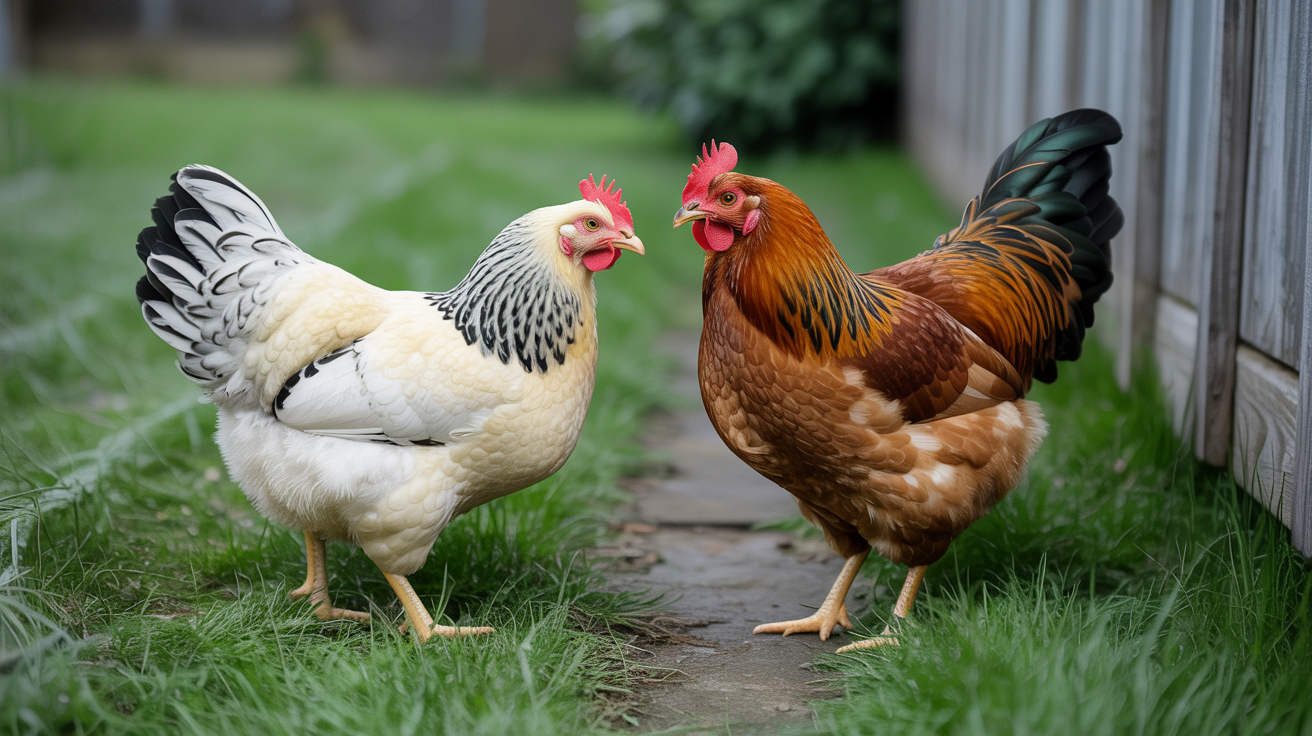
Backyard chickens are genuinely rewarding, and they can also be a lot more work than the Instagram version suggests. Before you order chicks from a hatchery, it's worth being honest with yourself about both sides. Here's a straightforward breakdown from people who've actually scraped out a coop on a February morning.
The Benefits That Actually Hold Up
Fresh Eggs on Your Own Terms
This is the big one, and it's real. A small flock of 4 to 6 laying hens can produce 3 to 5 eggs per day during peak season, depending on breed and time of year. Rhode Island Reds and Australorps are workhorses; Easter Eggers and Olive Eggers lay less but add color to the carton. Once your flock hits full production (around 20 to 24 weeks for most breeds), you'll likely have more eggs than your household needs.
Fresh eggs from well-fed, pasture-supplemented hens taste noticeably different. The yolks run darker orange, the whites hold together better, and you know exactly what those birds have been eating.
A Composting and Garden System That Actually Works
Chickens are living compost machines. Their manure is high in nitrogen and, once aged or composted for 60 to 90 days, makes excellent garden amendment. Many keepers run a "deep litter" method in the coop (layering pine shavings over droppings all winter, then scooping the aged result into the garden in spring). It's efficient and cuts waste.
Let them free-range in a fallow bed and they'll scratch out weed seeds, eat grubs and beetle larvae, and turn the soil. They won't do it surgically; they'll also eat your seedlings if given the chance. Managed rotational access works better than unsupervised roaming near anything you want to keep.
Real Connection to Where Food Comes From
This sounds abstract until you actually live it. Kids who help collect eggs, top up feeders, and observe a broody hen learn something real about animals and food production that's hard to teach otherwise. Many keepers find the daily routine genuinely grounding, a short interruption from screens that involves moving around outside and paying attention to living things.
Pest and Bug Control
Free-ranging chickens eat ticks, mosquito larvae, grasshoppers, slugs, and small mice. If you're in a tick-heavy area, a few chickens rotating through your yard has a meaningful impact. Don't expect miracles, but don't dismiss it either. It's a genuine side benefit.
The Downsides You Should Know Before You Start
They Tie You to Home
Every single day, someone needs to open the coop at dawn, top up water, and close and lock the coop at dusk. This does not stop for weekends, holidays, or bad weather. A neighbor willing to check in when you travel is not optional; it is a hard requirement. Before you commit, think about who that person is.
Water management is the most tedious part. Nipple waterers help, but in freezing temperatures you'll be swapping frozen water containers or running a heated base (usually 25 to 60 watts). If you're not prepared for that, a cold snap will cost you birds.
Predators Are a Constant Problem
Foxes, raccoons, opossums, hawks, weasels, and neighborhood dogs all view a chicken flock as a food source. A weasel can squeeze through a 1-inch gap. A raccoon can reach through standard chicken wire and pull a bird through by its leg. If your coop security isn't excellent, you will eventually lose birds, often all of them in a single night.
Hardware cloth (1/2-inch welded wire) on every opening, an apron buried or laid flat around the perimeter, and an automatic door or consistent manual locking routine are baseline requirements. This is covered in more detail in our guide to getting started with backyard chickens, but budget $300 to $600 just for hardware on a predator-proof small coop.
The Costs Add Up
The startup math surprises most people. Chicks run $5 to $15 each; a decent prefabricated coop for 4 to 6 birds runs $400 to $900 (or more with good predator proofing). Feed averages $15 to $25 per 50-pound bag, and a small flock goes through roughly 1.5 to 2 pounds per day. Bedding, supplements, veterinary care, and hardware costs mean most keepers spend more than they expected.
For a thorough breakdown, our cost guide for backyard chickens runs the actual numbers. Many keepers break even eventually, but don't go in expecting cheap eggs.
Zoning and HOA Rules
A significant share of suburban and urban lots prohibit chickens, limit flock size, or ban roosters outright. Before you spend any money, check your local ordinances. Our guide to checking local chicken laws walks through how to find the actual regulations, not just assumptions about what's allowed.
Roosters are worth a separate note: they're loud (a crow hits 90 decibels), they start early, and they're prohibited in most residential zones. If you order straight-run chicks, about half will be males. Unless you can rehome cockerels or have space and zoning for a rooster, order sexed females only.
Health Management Is Real Work
Chickens hide illness well; by the time a bird looks sick, it's often quite sick. Respiratory infections spread fast through a flock. Mites and lice are common and require regular inspection and treatment. Egg binding, sour crop, bumblefoot, and Marek's disease are real possibilities you should be prepared to recognize.
A poultry veterinarian isn't always easy to find (not all small-animal vets see chickens), and an emergency visit can run $80 to $200 or more. Your local agricultural extension office is a genuinely useful free resource for disease identification and treatment guidance. For anything that looks like a contagious respiratory illness, a suspected outbreak, or a bird that isn't responding to basic supportive care, that's when you call a professional, not just Google.
Side-by-Side Summary
| Factor | The Good | The Realistic Catch |
|---|---|---|
| Eggs | 3-5 per day from 4-6 hens at peak | Production drops in winter, molts, stress |
| Cost | Eggs feel "free" once amortized | Startup is $800-$1,500+; ongoing feed costs real |
| Time | 10-20 min/day routine | Daily; vacation requires a reliable caretaker |
| Predators | Manageable with good hardware | Hardware cloth + apron adds cost; weasels are determined |
| Garden | Great compost, pest control | They will eat seedlings if unsupervised |
| Zoning | Legal in many areas | Check first; HOAs often more restrictive than city |
| Learning curve | Moderate | First molt, first sick bird, first predator attack all happen |
Is Keeping Chickens Worth It?
That question mostly comes down to what you're optimizing for. If you're doing the math hoping to save money on groceries, the numbers rarely favor chickens in the first year or two. If what you want is fresher eggs, a better sense of where food comes from, a composting loop for your garden, and something your kids or household finds genuinely interesting to care for, then yes, many people find it well worth it.
The keepers who stick with it longest tend to share a few traits: they don't mind daily routines, they have the right setup for their predator environment, they checked their local rules before buying anything, and they have at least one neighbor or friend who can cover when they travel. The ones who sell their coops after a year usually ran into a predator attack they weren't prepared for, found the travel logistics unworkable, or underestimated the winter water and care burden.
Start with 3 to 4 hens (never fewer than 2 — chickens are flock animals and suffer alone), choose a breed suited to your climate, build or buy a predator-resistant coop before you bring birds home, and give it a full year before deciding. Most problems are solvable with better setup; most regrets come from skipping the setup step.
Frequently Asked Questions
How many eggs will I actually get from a small backyard flock?
A healthy laying hen at peak production (roughly 24 to 72 weeks old, depending on breed) lays 5 to 7 eggs per week in good conditions. A flock of 4 Australorps or Production Reds can realistically give you 20 to 25 eggs per week in spring and summer. Expect a significant drop in fall and winter, especially if you don't supplement with artificial light. Hens also stop laying during their annual molt, usually in late fall.
Do I need a rooster for hens to lay eggs?
No. Hens lay unfertilized eggs regardless of whether a rooster is present. You only need a rooster if you want to hatch chicks. Most urban and suburban ordinances ban roosters specifically because of noise, so most backyard flocks are hens only.
How much space do chickens actually need?
The commonly cited minimum is 4 square feet of indoor coop space per bird and 10 square feet of outdoor run space per bird. Those are genuine minimums, not ideals. Overcrowded birds get stressed, pick at each other, and get sick more easily. If you can give more space, do. A larger run also means slower fouling and less mud management.
What do you do when you go on vacation?
You find someone reliable before you buy your first chick, not after. Most keepers train a neighbor, friend, or family member on the morning and evening routine before their first trip. The routine itself is simple, but the person needs to understand what "normal" looks like so they can flag a sick or injured bird. An automatic coop door (timed or light-triggered) reduces the morning task but doesn't eliminate the need for a human check.
Are backyard chickens smelly?
A well-maintained coop on a reasonable cleaning schedule doesn't smell bad. The smell comes from ammonia buildup in wet, nitrogen-rich droppings. Pine shaving bedding, adequate ventilation, and regular spot-cleaning (every few days) keep it under control. A coop that hasn't been cleaned in a month in summer, or one with poor airflow, will absolutely stink and also cause respiratory problems for the birds. The deep litter method works in winter; full clean-outs once or twice a year handle the rest.