Chicken Breeds
Cold-Hardy Chicken Breeds for Northern Climates
Discover the best cold-hardy chicken breeds for northern winters. Practical keeper-to-keeper guide covering frostbite risk, egg production, and coop tips.
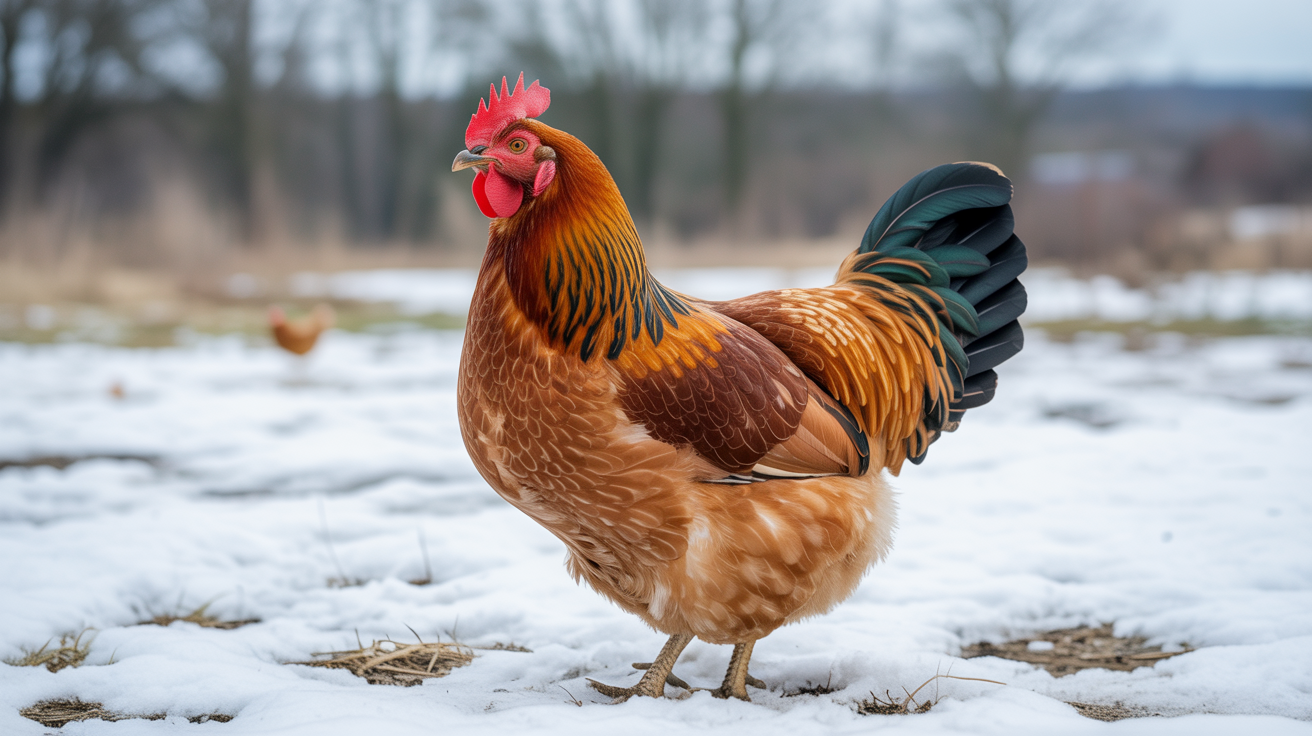
If you're keeping backyard chickens through a northern winter, breed choice matters more than almost any other decision you'll make. A bird that thrives in a Tennessee spring can struggle badly in a Minnesota February. The good news: certain breeds have spent generations adapting to exactly that kind of cold, and they handle it without a lot of hand-holding from you.
This guide covers the breeds that consistently perform well below freezing, what to look for when choosing them, and the few management details that make the difference between a flock that sails through January and one that gives you headaches all winter long.
What Makes a Breed Truly Cold-Hardy
Not every chicken labeled "cold tolerant" is equally suited to serious northern winters. A few physical and behavioral traits are the real indicators.
Comb type is the biggest factor. Most cases of frostbite affect a chicken's comb, wattles, and feet, since large single combs have a lot of surface area exposed to cold air, and frostbite can set in fast when temperatures drop below 20°F. Breeds with rose combs, pea combs, or walnut combs present far less tissue to the cold. The comb sits closer to the head, stays drier, and rarely develops the white frost-damaged tips you see on single-comb birds.
Body size and feather density matter too. Heavier, dual-purpose breeds carry more muscle mass and put out more body heat. Dense, tight plumage traps that heat close to the skin. Some breeds also have feathered shanks and feet, which helps in snow, though feathered feet need monitoring in mud and slush since wet feathers against the toes can cause problems.
Temperament in cold weather. Some breeds pace and stress when confined during extended cold snaps. Others are calm, roost tightly together for warmth, and wait out a blizzard without drama. For northern keepers who can't always let the flock range freely in winter, a calm disposition is genuinely useful.
The Top Cold-Hardy Breeds Worth Knowing
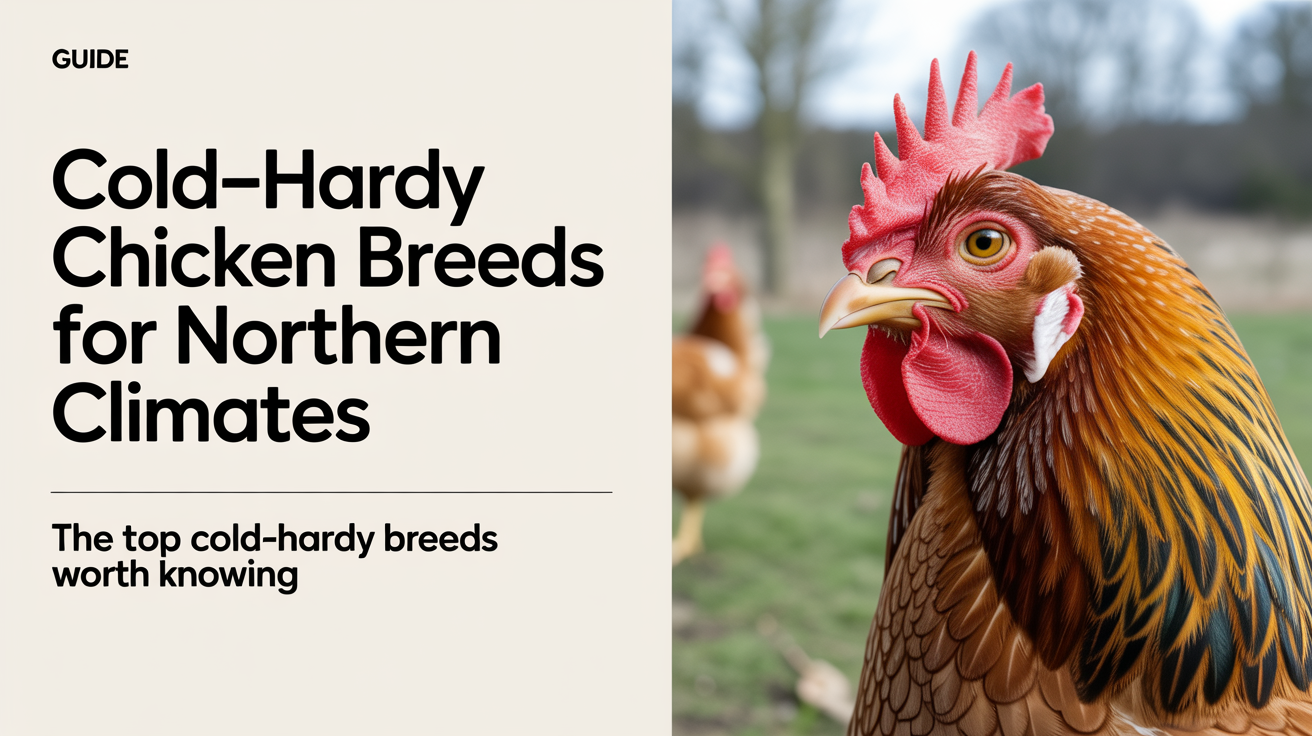
Wyandotte
Wyandottes are one of the most dependable cold-weather choices a northern keeper can make. They carry a rose comb that sits flat to the head, a broad body that holds heat well, and a personality that stays relatively calm through long confinement. A standard Wyandotte hen lays around 200 brown eggs per year, and production doesn't crater as sharply in winter as it does with Mediterranean breeds. The Silver Laced and Golden Laced varieties are the most common, but all color varieties share the same practical cold-weather build.
Plymouth Rock (Barred Rock)
Barred Rocks have been a northern farmstead staple for well over a century for good reason. They're heavy enough to hold body heat, produce around 200-280 brown eggs per year, and tolerate confinement without becoming feather-pickers. Their single comb can tip toward frostbite in extreme cold, but it's a smaller, less floppy comb than breeds like Leghorns carry, and most keepers in zones 4-6 manage fine without any vaseline application. If you're in zone 3 or colder, check combs during the coldest stretches.
Rhode Island Red
Rhode Island Reds are productive, sturdy birds that handle cold well through a combination of dense feathering and good body mass. They average 250-300 brown eggs per year, which makes them one of the more prolific dual-purpose options. Their single comb is moderate sized, and while it's not as protected as a rose or pea comb, most flocks in the northern US do fine through average winters. They're alert and active birds that appreciate outdoor time when temperatures allow.
Buckeye
The Buckeye is the only American breed developed by a woman (Nettie Metcalf in Ohio in the 1890s), and it was specifically bred for the cold Midwest. It carries a pea comb, a heavy build, and an assertive personality that makes it one of the better mousers in the chicken world. Egg production runs around 150-200 brown eggs per year, which is moderate, but these birds are genuinely built for cold. If you're in a northern climate and want a breed developed with that specific goal in mind, the Buckeye is an underrated pick.
Dominique
The Dominique is the oldest American breed, and its rose comb and tight plumage made it the default farmstead bird across cold northern states for generations. They're slightly lighter than Wyandottes or Rocks, but their comb type is excellent and they forage actively even in modest cold. Egg production averages around 180-230 speckled brown eggs per year. They went nearly extinct in the 1970s and are still considered a heritage conservation breed, so sourcing from a reputable breeder matters more here than with the more common breeds.
Chantecler
If you're in Canada or the extreme northern US (zones 2-3), the Chantecler is worth serious consideration. It was developed in Quebec specifically for Canadian winters. The comb is a tiny cushion comb, virtually flush with the skull, and frostbite is almost unheard of in this breed even at temperatures well below 0°F. They're calm, quiet birds that lay around 150-200 white or tinted eggs per year. The White Chantecler is the more common variety; the Partridge Chantecler is rarer. Sourcing can be harder than for the mainstream breeds, but for severe climates, this breed is hard to beat.
Cold-Hardy Breed Comparison at a Glance
| Breed | Comb Type | Avg. Eggs/Year | Cold Rating | Notes |
|---|---|---|---|---|
| Wyandotte | Rose | 200 | Excellent | Calm, good layer |
| Barred Rock | Single | 200-280 | Very Good | Watch comb in zone 3 |
| Rhode Island Red | Single | 250-300 | Very Good | High producer |
| Buckeye | Pea | 150-200 | Excellent | Bred for cold Midwest |
| Dominique | Rose | 180-230 | Excellent | Heritage breed, source carefully |
| Chantecler | Cushion | 150-200 | Outstanding | Best for extreme cold |
Coop Setup That Makes Cold Weather Manageable
A cold-hardy breed still needs a well-managed coop. The breed gets you halfway there; your setup closes the gap.
Ventilation over insulation. This is the single most counterintuitive piece of cold-weather management. Chickens exhale a lot of moisture, and if that moisture has nowhere to go, it condenses on combs and wattles, dramatically raising frostbite risk even at moderate temperatures. A well-ventilated coop (vents near the roofline, above where birds roost) stays drier and actually safer for the birds than a sealed, "cozy" coop. Cold air doesn't hurt chickens as much as damp, still air does.
Roost bar sizing. Standard roost bars should be 2 inches wide and flat on top so birds can settle their breast feathers over their feet while roosting. That keeps toes warm through the night without any special footwear. Around 8-10 inches of roost space per bird lets the flock huddle naturally for shared warmth.
Supplemental heat: a lower bar than you'd think. Most cold-hardy breeds don't need supplemental heat until temperatures drop below 0°F, and even then, a low-wattage flat panel heater (not a heat lamp, which is a fire risk in a coop) mounted safely on the wall provides enough edge. A sudden power outage after birds have been kept warm can be more dangerous than consistent cold they've acclimated to, so lean toward minimal heat and good ventilation over heavy supplemental heating.
Water management. Unfrozen water is a daily necessity. Heated waterers or a submersible heating element in a rubber bucket are the practical solutions. Check twice a day in extreme cold.
If you're still figuring out the right general breed fit for your situation before focusing on cold tolerance, the guides on choosing breeds for beginners and top egg-laying breeds are good starting points.
What to Expect from Winter Egg Production
Even the best cold-hardy layers will slow down in winter, and that's mostly about light, not temperature. Hens need around 14-16 hours of daylight to maintain full production. In December and January at 45° N latitude, you're getting closer to 9 hours.
Adding artificial light (a simple 40-60 watt equivalent LED bulb on a timer, extending morning light to 14-16 total hours) keeps production humming through the darkest months. Some keepers prefer to let hens rest naturally through winter for long-term reproductive health. Either approach works; it's a choice, not a requirement.
Cold-weather breeds like Wyandottes and Dominiques hold production better than Mediterranean breeds (Leghorns, Anconas) in winter even without added light, which is part of what makes them worth the trade-off on peak summer production.
Signs of Cold Stress to Watch For
Most cold-hardy breeds tolerate northern winters without visible distress, but it's worth knowing what to look for:
- White or gray patches on comb/wattles: early frostbite. Increase ventilation and reduce moisture in the coop first; apply a thin layer of plain petroleum jelly to combs in extreme cold if needed.
- Birds standing puffed up with eyes half-closed during the day — hypothermia risk or illness; evaluate whether it's one bird (possibly sick) or the whole flock (coop problem); contact a poultry vet if multiple birds are affected.
- Limping or holding a foot up: check for frostbitten toes, especially on feather-footed breeds with wet feet. Mild cases often resolve with warmth and dry conditions, but severe cases warrant a poultry vet visit.
- Sharp drop in egg production with no light change — check for mites, a molting cycle, or a nutritional gap before blaming cold stress.
For anything beyond frostbite management and basic cold care, your state's agricultural extension office is a genuinely useful resource, as most offer free poultry health guidance.
Frequently Asked Questions
Which chicken breed is best for very cold climates like Canada or Alaska?
The Chantecler, developed in Quebec, is the top pick for extreme northern climates. Its cushion comb sits nearly flush with the skull, making frostbite almost impossible even at -20°F. Buckeyes and Dominiques are strong alternatives if Chantecler sourcing is difficult in your area.
Do cold-hardy breeds still lay eggs in winter?
Yes, though production slows without supplemental lighting. Cold-hardy dual-purpose breeds like Wyandottes and Dominiques maintain production better than Mediterranean-type breeds in low light, but all hens respond to photoperiod. A simple timer-controlled LED can extend daylight hours and keep production consistent.
Can you mix cold-hardy and non-cold-hardy breeds in one flock?
You can, but it complicates management. If you have Leghorns alongside Wyandottes, you'll need to monitor single-comb birds more closely in winter and may need to apply petroleum jelly to their combs on the coldest nights. It's easier to keep a cold-climate flock primarily from breeds suited to your zone, especially if winters are severe.
How much space do cold-hardy chickens need in a winter coop?
The standard minimum is 4 square feet per bird inside the coop, but more is better if birds are confined for extended periods. Crowding increases pecking and stress, especially during long confinement spells. A covered outdoor run helps enormously by giving birds somewhere to go on days that are cold but not dangerously so.
Should I heat my chicken coop in winter?
For cold-hardy breeds, supplemental heat usually isn't necessary unless temperatures regularly drop below 0°F. The bigger priority is keeping the coop dry through good ventilation. If you do add heat, use a flat panel coop heater rather than a heat lamp, and size it conservatively so birds don't lose their cold acclimatization. Sudden loss of heat (power outage) after birds have been kept warm is harder on them than consistent cold they've adapted to.
If you're comparing cold-hardy options to heat-tolerant breeds for warmer climates, the considerations run almost exactly opposite, which is a useful frame for thinking about how much breed genetics actually drive cold-weather success.