Chicken Breeds
The Best Egg-Laying Chicken Breeds
Discover the top egg-laying chicken breeds for backyard flocks, with real production numbers, temperament notes, and tips for picking the right layers.
If you want a steady supply of eggs from a small backyard flock, breed choice matters more than almost anything else. The breeds below reliably produce 200 to 320 eggs per bird per year under good management, and most are calm enough for a family setting.
A hen's first laying season, which starts around 18 to 24 weeks of age depending on breed, is always her most productive. Production drops roughly 15 to 20 percent per year after that, so most backyard keepers plan to introduce new pullets every two to three years.
What Makes a Breed a High Producer?
Commercial hatcheries have spent decades selecting for feed conversion and output. The breeds on this list share a few traits: they're single-comb or rose-comb (which affects cold tolerance), they mature relatively fast, and they tend to skip the broody phase that interrupts laying.
Keep in mind that "eggs per year" figures always assume adequate feed (16 to 18 percent protein layer pellets, about 0.25 lb per bird per day), 14 to 16 hours of daylight or supplemental light, and housing that stays above 20°F. Drop below those baselines and any breed's numbers will fall.
Top Breeds for High Egg Production
White Leghorn
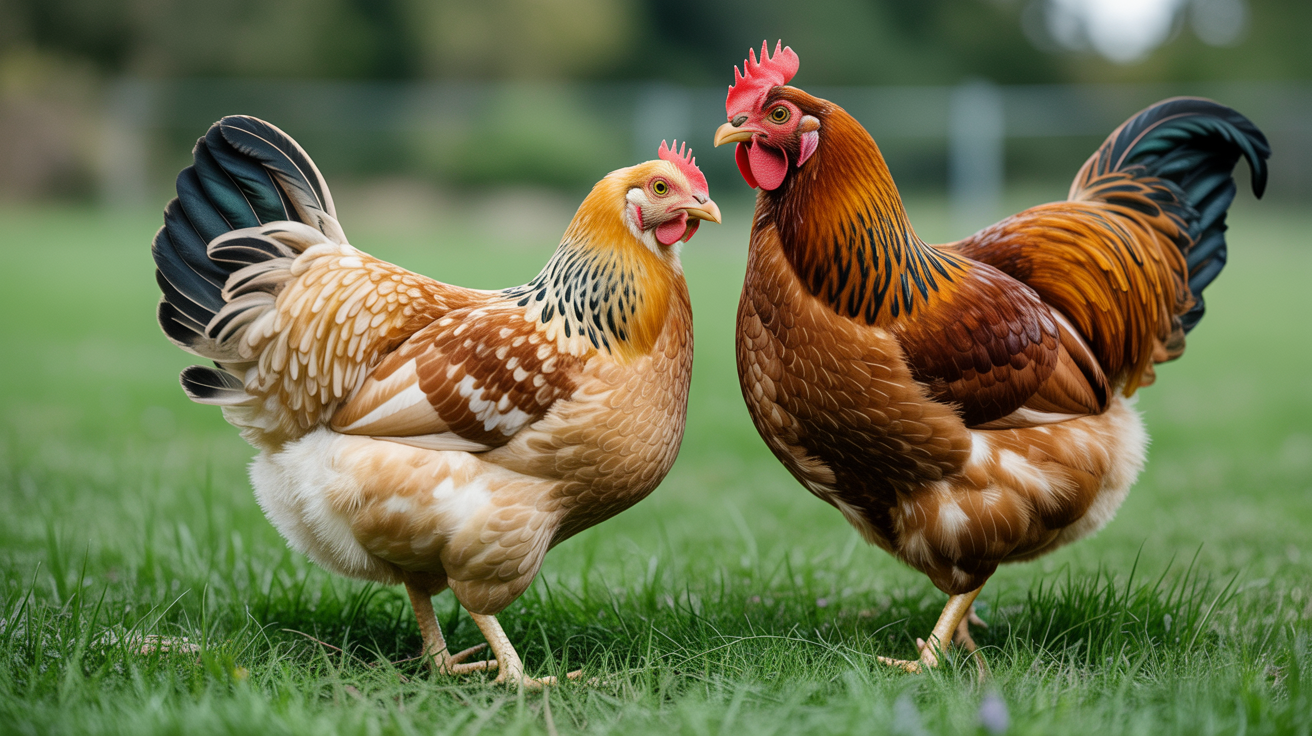
The White Leghorn is the undisputed production leader. A healthy hen lays 280 to 320 white eggs per year. She's lean (4 to 5 lb), eats efficiently, and rarely goes broody. The trade-off is temperament: Leghorns are flighty and don't enjoy handling. They're also more vulnerable in cold climates because their large single combs frost easily.
If you're after raw numbers and have a secure, well-ventilated coop, the Leghorn earns its reputation. For colder winters, look at the cold-hardy alternatives in cold-hardy chicken breeds for northern climates.
Rhode Island Red
Rhode Island Reds lay 250 to 300 brown eggs per year and handle cold, heat, and mixed-keeper situations better than Leghorns. Hens weigh around 6.5 lb, are generally calm, and forage well. They occasionally go broody but not as reliably as heritage breeds.
This is frequently the first breed recommended to new flock owners, and that reputation is well-earned. They're forgiving of beginner mistakes with feed and housing without punishing you too hard on egg count.
ISA Brown (and Similar Sex-Links)
ISA Browns are a commercial hybrid (not a true breed) produced by crossing Rhode Island Reds with White Leghorns or similar lines. The result: 300 to 320 brown eggs per year from a calm, docile bird that's easy to handle. Sex-link hybrids are common under many trade names including Golden Comet, Red Star, and Cinnamon Queen.
The catch is that their intense production pace burns through their reproductive systems faster. Many sex-link hens slow down significantly after two years and often develop reproductive-tract issues (internal laying, egg yolk peritonitis) by year three. A poultry vet visit is worth it if you notice a hen looking lethargic, with a swollen abdomen or decreased droppings.
Plymouth Rock (Barred Rock)
Barred Rocks lay 250 to 280 large brown eggs per year and are one of the best dual-purpose choices available. Hens weigh 7 to 7.5 lb, are calm and easy to manage, and hold up well across most North American climates. They go broody occasionally, which interrupts laying for three to five weeks at a time.
If you want a flock that's both productive and friendly enough for kids to help with chores, Barred Rocks are hard to argue against. They also pair well with other docile breeds in a mixed flock.
Easter Egger
Easter Eggers aren't a true breed (they carry the blue-egg gene from Ameraucana or Araucana ancestry), but they're enormously popular for a reason: 200 to 280 blue, green, or olive eggs per year from a bird that's personable and cold-tolerant. Individual hens vary a lot in output because the genetics aren't standardized, so treat 200 as the floor and 280 as a good season.
Their unusual egg colors make them a great addition to a mixed flock where you want variety on the breakfast table. Production drops faster than the breeds above, but many keepers keep Easter Eggers around as much for personality as for numbers.
Australorp
The Australorp holds the single-bird egg-laying world record (364 eggs in 365 days, set in the 1920s) and averages 250 to 300 large brown eggs under normal backyard conditions. Hens weigh about 6.5 lb, have notably calm temperaments, and tolerate confinement better than many active breeds. They do best with at least 4 square feet of indoor space per bird and access to outdoor runs.
Australorps are an excellent choice if you want a productive bird that's also gentle with children or older keepers who don't want to chase flighty hens.
Breed Comparison at a Glance
| Breed | Eggs/Year | Egg Color | Avg Hen Weight | Temperament | Cold Hardy |
|---|---|---|---|---|---|
| White Leghorn | 280–320 | White | 4–5 lb | Flighty | Moderate |
| ISA Brown (sex-link) | 300–320 | Brown | 5–6 lb | Calm | Good |
| Rhode Island Red | 250–300 | Brown | 6.5 lb | Calm | Good |
| Australorp | 250–300 | Brown | 6.5 lb | Very calm | Good |
| Barred Rock | 250–280 | Brown | 7–7.5 lb | Calm | Very good |
| Easter Egger | 200–280 | Blue/Green | 5–6 lb | Friendly | Good |
Breeds to Skip If Egg Count Is the Priority
Several popular breeds are beautiful, historical, or interesting but won't compete on production:
- Silkies lay 80 to 120 small eggs per year and are almost constantly broody.
- Orpingtons average 170 to 200 eggs and go broody frequently (though they're outstanding mothers if you want to hatch eggs).
- Cochins produce 150 to 180 eggs and prioritize brooding over laying.
- Polish breeds average 150 to 200 eggs and can have vision problems from their crests that require regular trimming.
These breeds have their place in a flock, especially if you want a broody hen to hatch fertilized eggs, but if your goal is filling a carton every week they're not the right starting point. See the best chicken breeds for beginners for a fuller picture of temperament and management demands across breeds.
Matching Breed to Your Climate
Production numbers assume the bird is comfortable. A Leghorn in a Minnesota winter without supplemental heat will spend energy keeping warm instead of laying. Australorps and Barred Rocks handle cold better because of their smaller, less frost-prone combs and heavier body mass.
In hot climates (sustained temperatures above 90°F), Mediterranean breeds like Leghorns actually do well because their large combs help dissipate heat. Heavier dual-purpose breeds can struggle. If summer heat is your constraint, heat-tolerant chicken breeds for hot climates covers this in detail.
A general rule: match your top two weather stressors (cold, heat, humidity, wind) to the breed's known tolerances before committing to 6 or 12 pullets.
Frequently Asked Questions
How many eggs per week should I expect from a good layer?
A high-production hen in her first year lays 5 to 6 eggs per week during peak season (spring through early fall). That drops to 4 to 5 in year two and 2 to 3 by year three. A flock of 4 to 6 first-year hens will typically produce more eggs than a family of four can use during spring.
Do I need a rooster for hens to lay eggs?
No. Hens lay unfertilized eggs regardless of whether a rooster is present. You only need a rooster if you want fertilized eggs to hatch. Many municipalities that allow backyard hens specifically prohibit roosters because of noise.
What age do chickens start laying?
Most high-production breeds start laying between 18 and 24 weeks. Leghorns and sex-links tend to start closer to 16 to 18 weeks. Heavy heritage breeds like Barred Rocks and Australorps are usually closer to 22 to 24 weeks. Day length matters a lot: pullets approaching laying age in fall may delay their first egg until spring if they don't get supplemental light.
Why did my hens suddenly stop laying?
The most common reasons are molting (hens typically molt in fall and stop laying for 6 to 12 weeks), reduced daylight below 14 hours, stress from a predator scare or flock change, nutritional deficiency (especially low protein or calcium), or illness. If a hen stops laying and shows other symptoms (lethargy, pale comb, swollen abdomen), a poultry vet examination is warranted.
Is it worth buying pullets versus chicks to get eggs sooner?
Point-of-lay pullets (16 to 20 weeks old) cost significantly more than day-old chicks but cut your waiting time nearly in half. For keepers who want eggs within a few weeks rather than five to six months, pullets are often worth the premium, especially if you're starting with a small flock where every bird's output counts from day one.