Health & Care
Biosecurity Basics for a Backyard Flock
Practical chicken biosecurity steps for backyard keepers: quarantine new chickens, limit disease entry, and keep your flock healthy with simple daily habits.
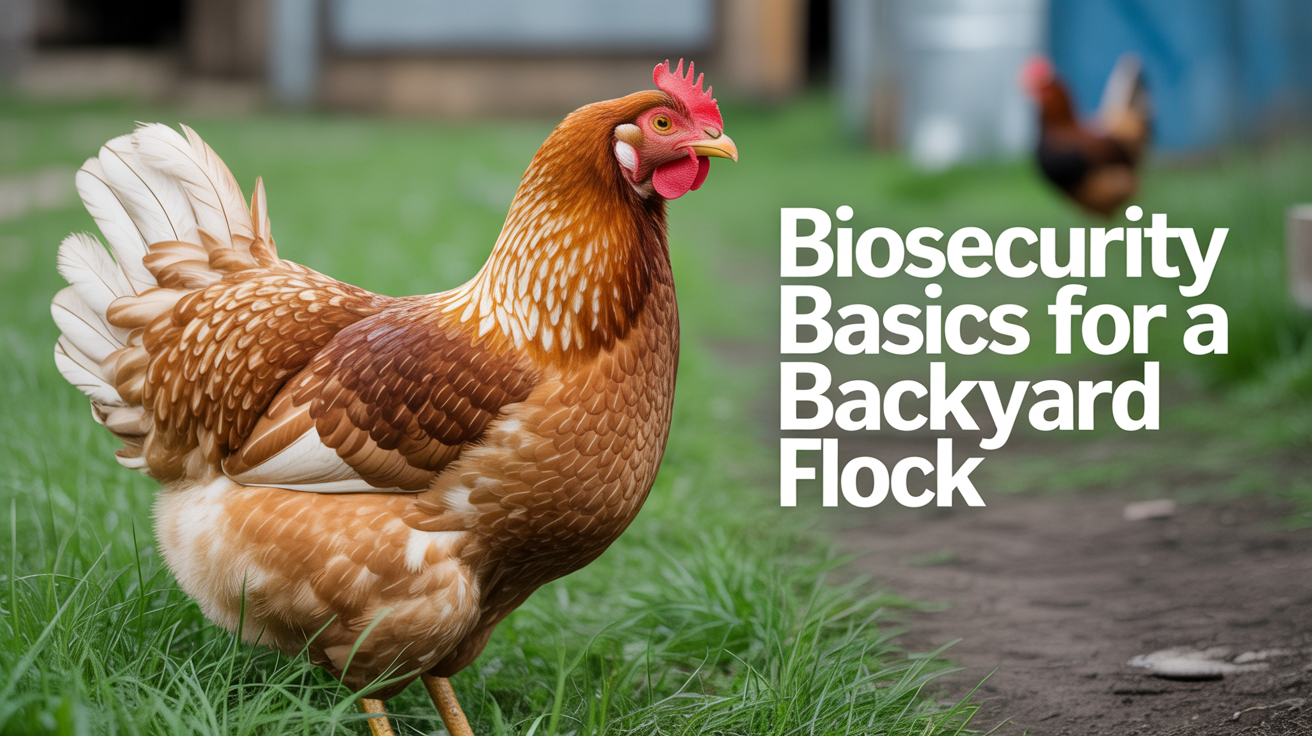
Biosecurity is one of those words that sounds clinical, like something reserved for commercial farms with signs on the gate. For a backyard keeper with a handful of birds, it can feel like overkill. But the core idea is simple: make it harder for disease to reach your flock, and easier to catch a problem before it spreads.
You do not need special equipment or a background in poultry science to practice good flock biosecurity. You need consistent habits, a bit of caution around new birds, and enough familiarity with your chickens to notice when something is off. This guide covers the practical side, keeper-to-keeper.
Why Biosecurity Matters for Small Flocks
Backyard flocks face the same pathogens that commercial operations do, just on a smaller scale. Respiratory illnesses like Marek's disease, infectious bronchitis, and Newcastle disease can move between flocks through direct contact, shared equipment, airborne particles, and even the soles of your shoes. External parasites and intestinal worms travel on new birds, wild birds, and rodents. Some diseases, once in a flock, cannot be cured, only managed.
The good news is that most disease introductions are preventable with a few reliable habits. The goal is not to create a sterile environment. That is neither practical nor necessary. The goal is to reduce the main routes of entry and respond quickly when something does get through.
Quarantine New Chickens Before They Join the Flock
This is the single most important biosecurity step a backyard keeper can take. Any bird new to your property, whether purchased from a hatchery, a feed store, a breeder, or a neighbor, should spend time in a separate space before being introduced to your existing flock.
A quarantine period gives you time to watch for illness before a new bird has contact with your other chickens. It also gives a stressed bird time to recover from transport. Stress lowers immune function, and a bird that seemed healthy at purchase can start showing symptoms a few days after arrival.
Setting up a quarantine space:
- Choose a location that is physically separated from your main coop and run, ideally at least thirty feet away. Airborne particles and dust can carry pathogens further than you might expect.
- The quarantine pen does not need to be elaborate. A dog crate in a shed or a simple temporary run will work.
- Keep all equipment, feeders, and waterers separate. Do not move items between the quarantine space and the main coop.
- Care for quarantined birds after you have finished with the main flock, not before. This reduces the risk of carrying something on your hands or clothing.
How long to quarantine:
Most keepers quarantine for a minimum of two to three weeks. Thirty days is more conservative and allows time for slower-developing conditions to show up. During quarantine, watch for sneezing, nasal discharge, swollen eyes or face, lethargy, loose droppings, or any change in how a bird holds itself or moves. If you notice anything concerning, contact a poultry veterinarian or your local agricultural extension office before proceeding.
You can learn more about what to look for in signs of a sick chicken and what to do.
Daily and Weekly Habits That Reduce Disease Risk
Good biosecurity is less about dramatic interventions and more about small, consistent habits. Most disease entry points can be addressed by paying attention to a few key areas.
Coop cleanliness:
A clean coop does not just look better. It reduces the bacterial and parasitic load your birds live in. Remove droppings from roosting areas regularly. Replace bedding before it becomes wet or compacted. Wet litter is a breeding ground for pathogens and parasites. During a deep clean, scrub surfaces with hot water before applying any disinfectant, since organic matter significantly reduces how well disinfectants work.
Water and feeders:
Waterers can harbor bacteria quickly, especially in warm weather. Rinse and refill them daily. Scrub them thoroughly at least once a week. Keep feeders dry and covered if possible. Wet feed goes rancid and can support mold growth.
Wild birds and rodents:
Wild birds are a known vector for several poultry diseases and can introduce external parasites. Try to design your run so wild birds cannot easily access your feed or share space with your chickens. Hardware cloth (welded wire with small openings) keeps wild birds out better than chicken wire. Rodents carry disease and attract predators. Store feed in sealed metal containers. Block entry points into the coop where rodents might nest.
Footwear and clothing:
If you visit other flocks, poultry swaps, or farm supply stores where birds are present, be thoughtful about what you wear home. Dedicated coop boots or slip-on shoes are a practical and inexpensive habit. Wash your hands before and after handling birds. This sounds obvious, but it is one of the most effective things you can do.
Controlling What Comes Into Your Coop
Beyond new birds, other items can introduce disease if you are not careful.
Secondhand equipment:
Used feeders, waterers, brooders, and coops can carry pathogens from the previous flock. If you acquire secondhand equipment, scrub it thoroughly and disinfect it before use. Let it dry completely, since many pathogens are less stable when exposed to sunlight and dry air.
Visitors:
Most backyard chicken keepers enjoy showing off their flock. If someone who keeps poultry visits, ask them to avoid walking directly from their car into your coop. Offering a pair of dedicated shoes or boot covers is not rude. It is a reasonable precaution, and most fellow keepers will understand.
Exhibitions and swaps:
Poultry shows, swap meets, and farm fairs are higher-risk environments because birds from many different flocks are in close contact. If you bring birds home from one of these events, quarantine them even if they are your own birds that attended. They may have been exposed to pathogens while they were away.
Pest control:
Mites and lice are common in backyard flocks and can spread quickly between birds that share a space. Knowing what to look for and how to respond matters. You can read more about managing external parasites in how to treat mites and lice on chickens. Similarly, intestinal worms are a routine concern for flocks with access to soil. For guidance on monitoring and treatment, see deworming chickens: when and how.
When to Call a Vet or Extension Office
Good biosecurity reduces risk but does not eliminate it entirely. Knowing when to seek help is part of responsible flock management.
Contact a poultry veterinarian or your local agricultural extension office if:
- Multiple birds in your flock show the same symptoms at the same time
- A bird dies suddenly without obvious cause
- You suspect a respiratory illness spreading through the flock
- You are unsure whether to use a medication, and at what dose
- You have a new bird in quarantine that appears unwell before introduction
Some diseases are reportable, meaning your local agricultural authority wants to know about them. Your extension office can tell you which diseases are on that list in your area and what your obligations are. Reaching out early is always better than waiting.
The Coop Guide is an independent resource, and our articles are general guidance, not veterinary advice. For a sick or injured bird, or any situation involving medication, a qualified poultry veterinarian is your best resource.
Frequently Asked Questions
Do I really need to quarantine chickens from a reputable hatchery?
Yes. Even birds from well-regarded sources can carry pathogens without showing symptoms. They may have been stressed by shipping, which can trigger latent conditions. Quarantine is about protecting your existing flock regardless of where the new birds came from.
How do I disinfect my coop properly?
Start by removing all bedding and organic material. Pathogens are protected by dirt and droppings, so a surface needs to be physically clean before disinfectant does anything useful. Scrub with hot water, apply a poultry-safe disinfectant according to label directions, and let everything dry completely before adding fresh bedding and birds.
Can I introduce a single new chicken without a full quarantine?
The number of birds does not change the risk. A single bird can introduce a disease just as effectively as a whole group. Quarantine every new addition, regardless of flock size.
What is the difference between isolation and quarantine?
Quarantine is for new birds you have not yet introduced to your flock. Isolation is for birds already in your flock that appear sick. Both involve separating birds from the main group, but for different reasons. An isolated sick bird should not share space or equipment with quarantined new arrivals.
My neighbor's chickens sometimes wander into my yard. Is that a problem?
It can be. Free-ranging neighbors' birds can introduce pathogens and parasites the same way your own birds would if they visited another property. A polite conversation and better fencing on both sides is worth the effort. If you know a neighboring flock has had a health issue, keep your birds away from shared boundary areas until the situation is resolved.