Chicken Breeds
Chicken Breeds That Lay Colorful Eggs
A practical guide to chickens that lay colored eggs: blue, green, pink, and chocolate, with breed profiles and tips for building a rainbow egg basket.
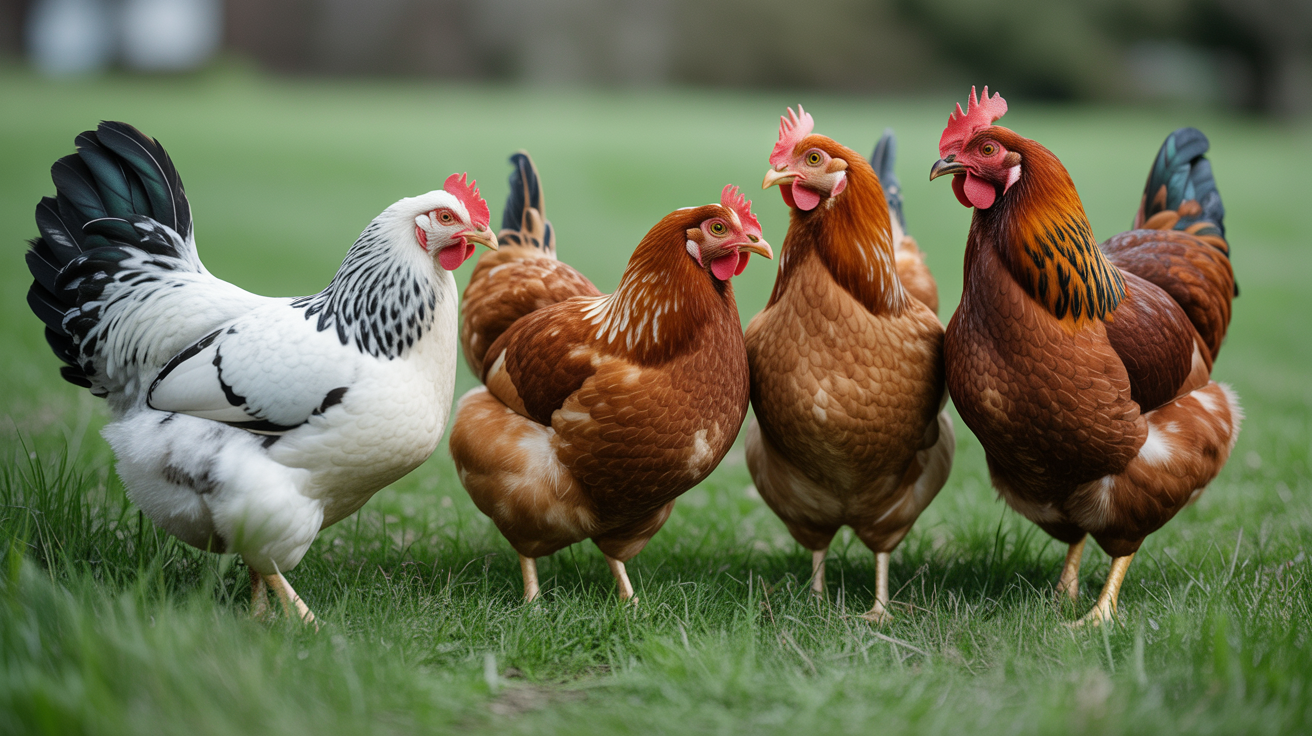
Cracking open a basket of eggs in shades of sky blue, sage green, dusty rose, and deep chocolate is one of the more satisfying parts of keeping a backyard flock. The color comes from pigments deposited in the shell during formation in the hen's oviduct, and it varies predictably by breed. Understanding which breeds produce which colors makes it straightforward to plan a flock that puts a little variety on the breakfast table.
This guide covers the most reliable colorful egg layers, explains how the genetics work at a basic level, and flags a few practical points worth knowing before you order chicks.
How Egg Shell Color Works
All chicken eggs start out white. Color is added by pigments during the roughly 20 hours the egg spends forming in the oviduct.
Blue eggs get their color from a pigment called oocyanin, which penetrates all the way through the shell. If you hold a blue egg up to the light or crack it open, the inside of the shell is blue too. This trait traces back to a genetic mutation that spread through South American Araucana chickens and has since been bred into several modern breeds.
Brown eggs are colored only on the outside. A pigment called protoporphyrin is applied as a surface coat near the end of shell formation. Scratch a fresh brown egg and you will find white underneath.
Olive and green eggs combine both: a blue shell base with a brown overcoat. The darker the brown layer, the deeper the olive shade. Pink and cream eggs are really very pale brown, which is why they can fade in color as a hen ages or as the laying season wears on.
The color a hen lays is set by her genetics and stays consistent throughout her life, though intensity can vary with diet, age, and the time of year.
Blue Egg Layers
The Ameraucana is the most consistent blue egg layer available from reputable hatcheries and breeders. It was developed in the United States from imported Araucana stock to eliminate the tufted and rumpless traits that cause hatching problems in pure Araucanas. Ameraucanas carry muffs and a beard, lay a true blue egg, and come in a range of recognized colors including black, blue, wheaten, and white.
Araucanas themselves lay the deepest sky-blue eggs but are genuinely harder to find and come with management challenges. The tufted gene is lethal when two copies are present, so hatch rates are lower. Most backyard keepers interested in blue eggs find the Ameraucana a more practical starting point.
The Cream Legbar is a British autosexing breed, meaning day-old chicks can be sorted by sex by their down color. Legbars are active, lighter-framed birds that tend to be good foragers. Their eggs are a reliable blue, often described as slightly greener than an Ameraucana's.
One word of caution with blue egg genetics: many hatcheries sell birds labeled as "Araucanas" or "Ameraucanas" that are actually Easter Eggers, a mixed-breed bird. Easter Eggers can be wonderful, but they are not the same breed and their egg color is unpredictable (more on this below). If breed accuracy matters to you, buy from a breeder who shows their birds or who can confirm they work from American Poultry Association standard stock.
For a broader look at how these breeds compare to other beginner-friendly options, this overview of the best chicken breeds for beginners is a useful starting point.
Easter Eggers: The Surprise Layer
Easter Eggers are not a recognized breed. They are crossbred chickens that carry the blue-egg gene from Ameraucana or Araucana ancestry, mixed with genetics from other breeds. Hatcheries sell them under various names, but the defining characteristic is that each bird lays a different egg color, and you do not know exactly what color until she starts laying.
A flock of Easter Eggers might produce light blue, green, sage, pink, tan, or even white eggs. Some will lay a reliable turquoise; others will disappoint with beige. This unpredictability is part of their appeal for keepers who want a mixed basket, and it is something to accept going in if predictable color matters to you.
Easter Eggers are typically calm, cold-tolerant, and reliable layers of medium to large eggs. They tend to be good foragers and are often friendly with people. Many backyard keepers love them precisely because of their varied egg colors and generally easy temperament. Just be clear-eyed that what you get is a mixed bag, not a guaranteed shade.
Olive Eggers
Olive eggers are purpose-bred crosses designed to produce dark olive green eggs. The standard cross is a blue egg layer (usually an Ameraucana or Cream Legbar) bred to a dark brown egg layer (often a Marans, Welsummer, or Barnevelder). The result is a bird with a blue shell base coated in dark brown pigment, producing eggs in shades from mossy green to deep khaki.
The depth of the olive color depends on how dark the brown layer is. A cross using a Marans, known for very dark chocolate eggs, will produce darker olive eggs than a cross using a moderately dark brown layer like a Welsummer.
F1 olive eggers (first-generation crosses) tend to be fairly consistent. Breed further and the egg color can vary quite a bit within the same hatch, since the blue gene and the brown-intensity genes sort out randomly. Keepers who want reliably dark olive eggs typically source F1 crosses from a breeder who tracks their lines carefully.
Olive eggers as a class tend toward medium to large size, a calm temperament, and reasonable cold hardiness, though this varies depending on the specific cross used.
Dark Brown and Chocolate Egg Layers
No colorful egg discussion is complete without the breeds at the brown end of the spectrum. Marans (particularly the Black Copper Marans) are known for producing some of the darkest, richest brown eggs available. At their best, the eggs are a deep reddish chocolate that photographs dramatically against blue and green eggs in a basket.
Marans can be particular about conditions, and egg color varies quite a bit between individuals and hatchery lines. Birds from hatcheries often lay considerably lighter eggs than birds from exhibition-quality breeding stock. If dark chocolate eggs are the goal, seek birds from a breeder who grades their eggs and breeds specifically for shell color.
Welsummers lay a rich terra cotta brown, often with darker speckles. They are active, inquisitive birds and generally good foragers. Barnevelders produce a deep brown with an almost lacquered sheen.
If egg production volume alongside color is a priority, the best egg laying chicken breeds covers high-production options in more detail.
Putting Together a Rainbow Basket
A common approach is to build a small mixed flock with a few birds from each color group. Something like two Ameraucanas for blue, two Easter Eggers for variable greens and pinks, one Black Copper Marans for chocolate, and one Olive Egger bridges the spectrum reasonably well in a flock of six.
A few practical notes:
Many of the colorful breeds are considered cold-hardy, but cold hardiness varies. Ameraucanas and Easter Eggers generally handle cold well, partly because their pea combs are less prone to frostbite than large single combs. Marans are hardy in moderate cold. If you are in a genuinely cold climate, it is worth cross-referencing breeds against cold-hardy chicken breeds for northern climates before finalizing your order.
Egg color can fade as a hen ages and also naturally varies across the laying cycle. A fresh Marans egg at the start of a laying bout is often much darker than one laid two weeks into the same cycle. This is normal.
Egg color has no meaningful effect on flavor or nutrition. The differences are in the shell only.
Sourcing matters. Hatchery birds labeled with breed names may not match the breed standard, particularly for Ameraucanas and Marans. If you care about accuracy, buying from a breeder or getting birds from a poultry club member is worth the extra effort.
Frequently Asked Questions
Do colored eggs taste different from white or brown eggs? No. Shell color is entirely genetic, determined by pigments deposited during shell formation. The color does not affect the white, yolk, flavor, or nutrition. What affects egg flavor and quality is diet, freshness, and how the birds are kept.
Why did my Easter Egger lay a different color egg than I expected? Easter Eggers are mixed-breed birds, and each individual carries a different combination of egg-color genes. Until a hen lays her first egg, there is no reliable way to predict her exact shade. The color she lays first is the color she will lay consistently, so the surprise resolves itself once she starts.
Can I breed my Ameraucana to a brown egg layer to get olive eggers? Yes. Crossing a blue egg layer with a dark brown egg layer is exactly how olive eggers are produced. The shade you get depends on how dark the brown layer's eggs are. A Marans cross will give deeper olive than, say, a Rhode Island Red cross.
Is the dark color in Marans eggs related to blood or anything health-related? No. The dark brown pigment protoporphyrin is deposited on the shell surface and has nothing to do with blood. Occasionally a fresh egg from a heavy brown layer like a Marans will have a slightly mottled look while the coating is still fresh, which can look odd but is normal.
Do colorful egg layers produce fewer eggs than standard breeds? It depends on the breed. Ameraucanas and Easter Eggers are moderate layers, typically around 3 to 4 eggs per week. Marans and Welsummers are somewhat lower, often 3 eggs per week or fewer. If egg volume is a priority, pure production breeds like Leghorns or ISA Browns will outlay most colorful breeds significantly, but a mixed flock can balance color and reasonable production.