Chicken Breeds
Heat-Tolerant Chicken Breeds for Hot Climates
Discover the best heat-tolerant chicken breeds for hot climates. Learn which breeds thrive in southern summers and how to keep your flock safe.
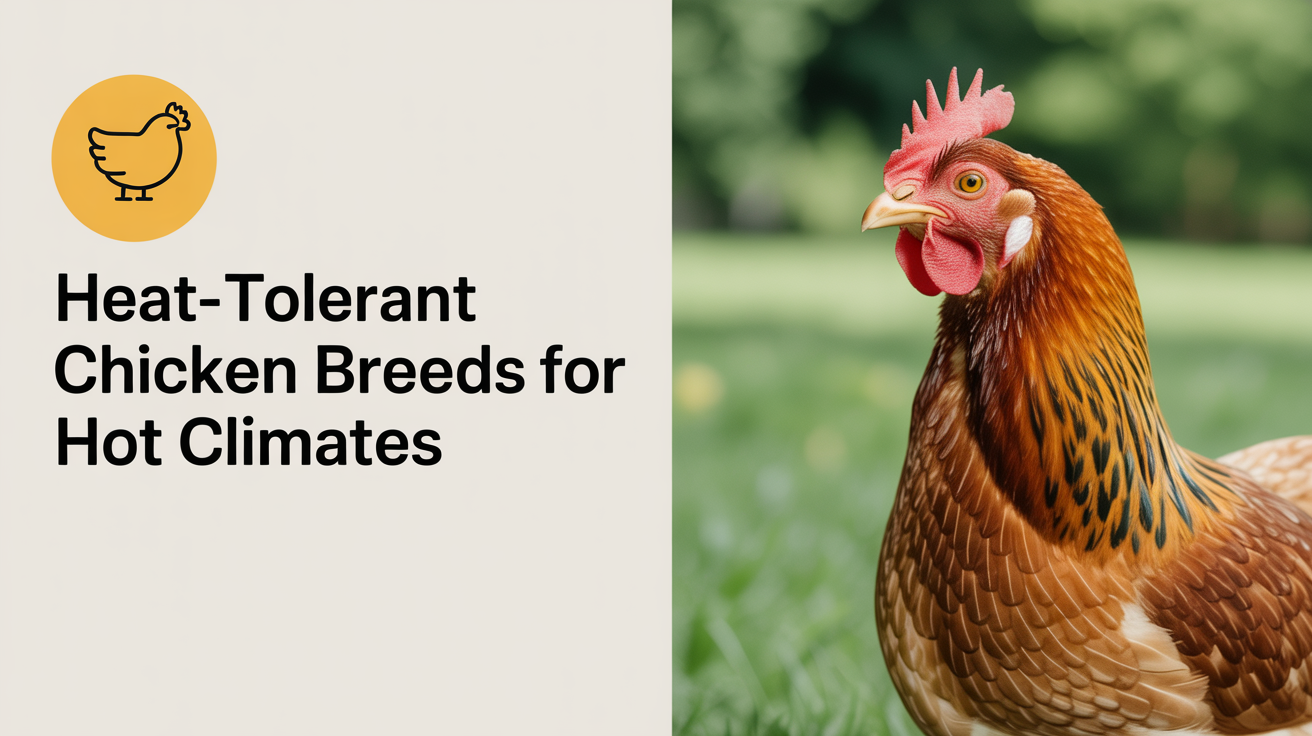
If you keep chickens somewhere that regularly hits 95°F or higher, breed selection matters more than most people realize. The wrong breed in a southern Georgia summer or a Phoenix backyard will pant, drop production, and struggle to stay healthy. The right breed shrugs off the heat and lays right through it. Here are the breeds that consistently earn their keep in hot climates, plus what to look for when choosing.
Why Heat Tolerance Varies So Much Between Breeds
Chickens cool themselves by panting and releasing heat through their combs, wattles, and unfeathered skin. Breeds developed in Mediterranean or tropical regions tend to have large single combs and wattles, lighter body mass, and minimal feathering on the legs and feet. All of that helps them shed heat faster.
Dense, fluffy breeds built for cold (think Orpingtons, Silkies, and heavy Brahmas) trap heat against the body. They were selectively bred for the opposite problem, so they overheat faster and need more management in summer. That doesn't mean you can't keep them in hot climates, but you'll be fighting uphill.
Body weight plays a role too. A 4-pound Leghorn generates and retains less metabolic heat than a 9-pound Jersey Giant. On a 100°F afternoon, that difference shows.
The Best Heat-Tolerant Breeds
These breeds are proven performers in hot weather. Most are also solid layers, so you don't have to trade production for comfort.
Leghorn
The White Leghorn is practically the gold standard for heat hardiness. Developed in Italy and refined for production in warm regions, Leghorns have large single combs, minimal body fat, and lean frames around 4 to 5 pounds. White-feathered birds reflect solar radiation rather than absorbing it, which is a real advantage in direct sun.
Expect 280 to 320 large white eggs per year from a good Leghorn hen. They're active, somewhat flighty, and not particularly cuddly, but in a hot climate, they lay when heavier breeds have called it quits for the season. If you're comparing options for egg production, the best egg-laying chicken breeds guide covers how Leghorns stack up across the board.
Ancona
The Ancona is a close relative of the Leghorn, sharing the Mediterranean build: single comb, lean body, active temperament. They're mottled black-and-white, which gives some solar reflectance without going full white. Anconas lay around 200 white eggs per year and forage aggressively, which means lower feed costs when pasture is available. They're flighty and prefer space over confinement.
Egyptian Fayoumi
Fayoumis come from the Nile Valley and are arguably the most heat-adapted chicken you'll find outside of true jungle fowl. They're small (around 3 to 4 pounds), extremely active, excellent foragers, and remarkably disease-resistant. Hens lay small white eggs, not in huge quantities (around 150 to 180 per year), but they do it reliably even during heat waves that shut down other breeds.
They're not a great fit for small urban coops since they're fast, alert, and will go over most fences given the chance. On a rural property with space to roam, they're exceptional.
Black Australorp
Australorps were developed in Australia partly for hot-weather performance, and that heritage holds up. They're a heavier breed (around 6 to 7 pounds), so they're not as naturally heat-tolerant as Leghorns, but their large single comb, calm temperament, and deep genetic line for sustained laying make them workable in hot climates with good coop management.
Australorps hold a world record for egg production and routinely lay 250 to 300 brown eggs per year. They go broody less than some other dual-purpose breeds, which keeps production steadier through summer. If you want a heat-adapted breed that's also docile and beginner-friendly, Australorps are worth the extra management attention on the hottest days. For a broader look at beginner-appropriate breeds, check out the best chicken breeds for beginners.
Penedesenca
This Spanish breed is less common but deserves more attention from hot-climate keepers. Penedesencas have a distinctive carnation comb (multi-pointed, upright but divided) and lean Mediterranean builds. They lay dark reddish-brown eggs, around 180 to 200 per year, and handle heat well. They can be skittish but aren't aggressive.
Naked Neck (Turken)
The Naked Neck is exactly what the name suggests: a chicken with no feathers on its neck, giving it roughly 40% less body feathering overall. That bare skin radiates heat directly, which is a genuine physiological advantage in warm weather. Naked Necks are dual-purpose birds (5 to 7 pounds), decent layers of brown eggs, and surprisingly cold-tolerant despite their odd appearance. They're one of the better choices if you want a meat-and-eggs bird in a hot climate.
Heat-Tolerant Breed Comparison
| Breed | Weight | Eggs/Year | Egg Color | Comb Type | Heat Tolerance |
|---|---|---|---|---|---|
| Leghorn | 4–5 lbs | 280–320 | White | Single (large) | Excellent |
| Ancona | 4–5 lbs | 190–210 | White | Single | Excellent |
| Egyptian Fayoumi | 3–4 lbs | 150–180 | White | Single | Outstanding |
| Black Australorp | 6–7 lbs | 250–300 | Brown | Single | Good |
| Penedesenca | 5–6 lbs | 180–200 | Dark brown | Carnation | Very good |
| Naked Neck | 5–7 lbs | 150–180 | Brown/tinted | Single | Very good |
Breeds to Avoid in Extreme Heat
Some breeds are beautiful and productive in cooler climates but genuinely struggle when summer temperatures stay above 90°F for weeks at a stretch. Use caution with:
- Cochin and Brahma: Heavy feathering, large body mass, and feathered feet make heat dissipation difficult.
- Silkie: Dense, fur-like plumage traps heat, and Silkies are prone to heat stress at temperatures that wouldn't bother a Leghorn.
- Jersey Giant: At 10 to 13 pounds, these birds generate a lot of metabolic heat and have relatively small combs for their body size.
- Dominique: Rose combs are great for cold hardiness but less efficient for heat dissipation than large single combs. They manage heat tolerably but aren't the best choice for the Deep South.
That said, keeping any breed in a hot climate is possible with the right infrastructure. Shade, ventilation, cold water, and frozen treats go a long way. Breed is one variable; husbandry is another. If you're also considering birds for winter hardiness in a region with seasonal extremes, cold-hardy chicken breeds for northern climates offers the counterpoint.
Managing Heat Even With Hardy Breeds
Heat-tolerant breeds still need help when temperatures spike. A few things that make a real difference:
- Ventilation over insulation: Coops in hot climates should prioritize airflow. Large vents on opposite walls, hardware cloth panels, and shade trees on the west side of the coop matter more than insulation.
- Water, always cold: Chickens drink two to four times as much water in hot weather as in cool weather. Add ice blocks, change water at midday, and place waterers in shade.
- Shade access all day: The sun angle shifts through the day. Make sure shade from trees or shade cloth moves with it, or provide a sheltered outdoor area.
- Electrolytes during heat waves: A poultry electrolyte supplement in the water during 100°F-plus stretches helps birds recover from heat stress faster. Ask your local feed store for options.
- Avoid handling birds in peak heat: Catching and holding birds raises their stress and core temperature. Do coop chores in early morning or evening.
If you notice birds holding their wings away from their body, panting with mouths open, or showing pale combs and lethargy that doesn't improve by evening, those are signs of serious heat stress. Get them into a cool, shaded space and contact a poultry veterinarian or your local agricultural extension office if symptoms persist.
Frequently Asked Questions
What is the most heat-tolerant chicken breed?
The Egyptian Fayoumi is widely regarded as the most naturally heat-tolerant chicken. Developed in the Nile Valley over thousands of years, Fayoumis are small, active, and built to handle extreme heat. White Leghorns are a close second and far more common in hatchery catalogs if you can't find Fayoumis locally.
Can I keep cold-hardy breeds like Orpingtons or Cochins in a hot climate?
Yes, but they need more active management. Provide consistent shade, cold water, ventilation, and watch them closely on days above 95°F. Feathered-legged breeds and heavily fluffy birds are at higher risk for heat stress, so if you're in a region where summer temperatures regularly exceed 90°F for months, a more heat-adapted breed will be less work and healthier overall.
Do heat-tolerant breeds also lay well in summer?
The Mediterranean breeds (Leghorn, Ancona, Fayoumi) are specifically good at maintaining production through summer heat. Most dual-purpose breeds slow down noticeably above 85°F because heat stress diverts energy away from egg production. Heat-adapted breeds tend to hold their production longer into the hot season.
How much space do heat-tolerant chickens need in a hot climate?
The standard minimum is 4 square feet per bird inside the coop and 10 square feet per bird in the run, but in hot climates, more outdoor space is better. Birds that can spread out, find shade, and move away from each other handle heat better than crowded flocks. Overcrowding also increases ammonia and moisture in the coop, which compound heat stress.
At what temperature should I be worried about my chickens?
Chickens start to experience heat stress above 85°F, especially with high humidity. Above 95°F, even heat-adapted breeds need intervention (shade, cold water, ventilation). Above 104°F, heat stroke becomes a serious risk for any breed. If ambient temperature stays above 100°F and birds are showing distress signs like open-mouth panting or stumbling, that's a veterinary situation, not something to manage with home remedies alone.