Chicken Breeds
Dual-Purpose Chicken Breeds for Eggs and Meat
A practical keeper-to-keeper guide to the best dual-purpose chicken breeds for homesteads and backyard flocks, covering egg production, table qualities, and...
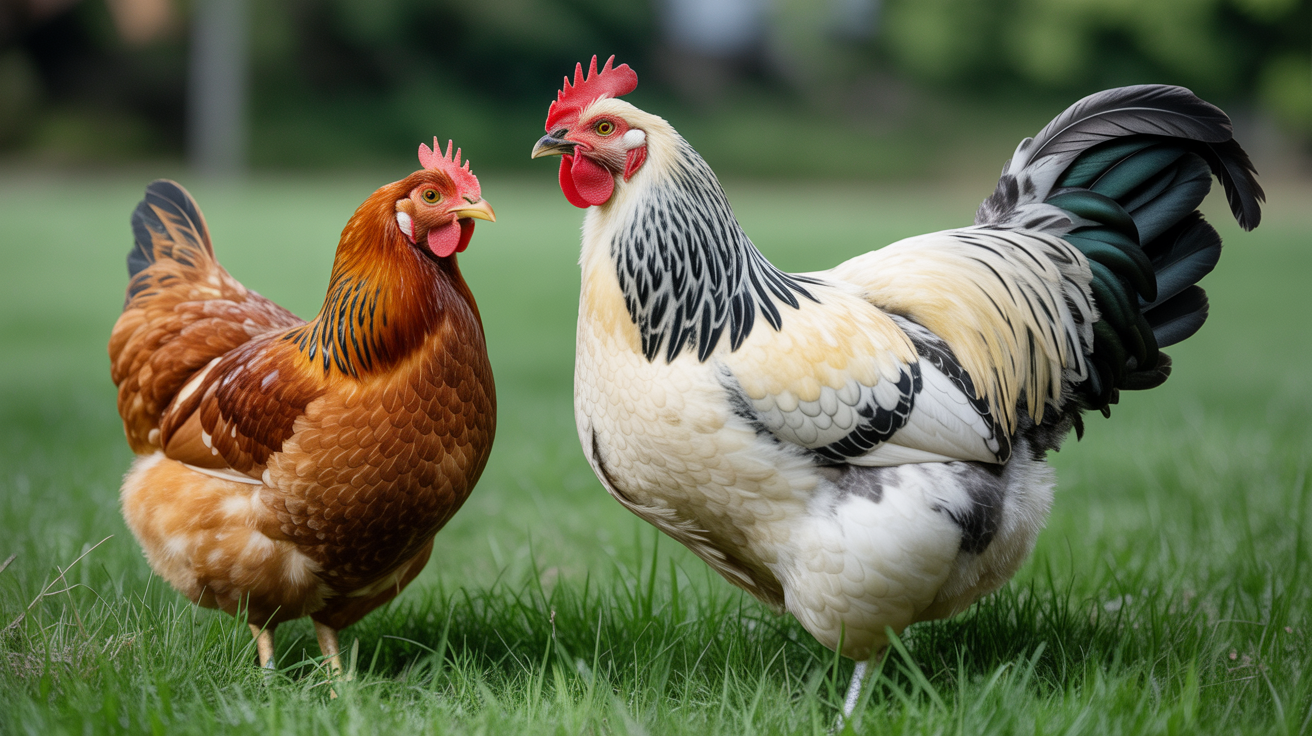
If you want a flock that earns its feed at the nest box and, eventually, at the table, dual-purpose breeds are worth a serious look. These heritage meat and egg chickens were developed before the poultry industry split into two hyper-specialized tracks. The hens lay well through their working years; the cockerels and older hens that leave the flock feed a family. It is a straightforward arrangement, and one that suits a backyard or small homestead better than keeping two entirely separate flocks.
This guide covers what dual-purpose really means in practice, which breeds hold up best, and what to expect from each in terms of eggs, carcass weight, and day-to-day temperament.
What "Dual-Purpose" Actually Means
A laying hybrid like a Golden Comet is bred to convert feed into eggs at maximum efficiency. A Cornish Cross broiler is bred to hit processing weight in six to eight weeks. Neither is good at the other's job. A Cornish Cross hen that is not processed on schedule develops leg problems; a laying hybrid cockerel dressed out at sixteen weeks gives you a small, lean carcass that takes a long braise to become worthwhile.
Dual-purpose homestead chicken breeds sit between those extremes. The hens typically lay 150 to 250 eggs per year, depending on breed and management. The males grow slowly by broiler standards, reaching three to five pounds live weight at sixteen to twenty weeks. The hens, when retired from laying at two to three years old, make good stew birds.
What you trade away is peak performance at both ends. A dual-purpose hen will not out-lay a production hybrid, and the cockerels will not out-grow a broiler cross. What you gain is a self-sustaining flock where every bird carries genuine value. For a homestead or a family that wants meaningful food production without running a commercial-scale operation, that trade is usually a good one.
If you are still deciding whether a laying-focused breed or a true dual-purpose bird fits your setup better, the overview at The Best Chicken Breeds for Beginners is a useful place to start.
Five Breeds Worth Knowing
Plymouth Rock (Barred Rock)
The Barred Rock is the standard-bearer for homestead chicken breeds in North America. It was developed in New England in the mid-1800s and has been a farm staple ever since. Hens lay around 200 large brown eggs per year, slow down somewhat in winter unless you supplement light, and keep laying reliably into their second and third years. Cockerels dressed at eighteen to twenty weeks dress out at around four pounds, with decent breast meat and good flavor.
Temperament is calm. Barred Rocks tolerate confinement without becoming stressed or aggressive, which matters if your run is modest in size. They are also cold-tolerant, with a single comb that stays reasonably frost-resistant in northern winters.
Rhode Island Red
The Rhode Island Red edges toward the laying end of the dual-purpose spectrum. A good production-strain hen can hit 250 to 280 eggs per year. Heritage-strain birds are somewhat lower, closer to 200, but they carry more body mass and are more useful at the table. When you are shopping for chicks, ask specifically about heritage lines if table qualities matter to you; hatchery production Reds have been selected heavily for eggs and are lighter-bodied than the old type.
Cockerels in heritage lines dress at a comparable weight to Barred Rocks. Hens are active and assertive, which can tip into feistiness at the top of a mixed flock. Most keepers find them manageable with adequate space and enrichment.
Wyandotte
Wyandottes were bred for cold country and it shows. The rose comb sits flat to the head with no upright points, which means it resists frostbite better than a single comb breed in hard winters. The dense, close-feathered body holds heat well. Hens lay around 200 brown eggs per year. For a deeper look at breeds suited to cold climates, Cold-Hardy Chicken Breeds for Northern Climates covers the key options.
The Silver Laced Wyandotte is the most common variety and has a striking appearance. Gold Laced, Blue Laced Red, and Columbia varieties are all equally capable; the color is a matter of preference.
Wyandottes are generally docile, though hens can go broody, which temporarily removes them from the laying column. If you want a self-replenishing flock and are willing to let a hen raise chicks, broodiness is an asset rather than a problem.
Buff Orpington
Buff Orpingtons have a reputation for being gentle to the point of docility. That reputation is largely accurate. They are a good choice for families with children, or for keepers who want a flock that is easy to handle. Hens lay 180 to 200 light brown eggs per year. They go broody frequently and are attentive mothers.
The downside is feed efficiency. Orpingtons are a heavy breed, and they eat accordingly. Cockerels dress out well at eighteen to twenty-two weeks, with a broad, well-muscled carcass, but the feed conversion ratio between hatch and processing weight is not tight. On a homestead where feed is largely home-grown or pasture-supplemented, this matters less than it does when you are buying all your feed by the bag.
Delaware
The Delaware is less commonly seen than the breeds above, but it deserves a mention because it was developed specifically as a commercial dual-purpose bird in the mid-twentieth century. The breed carries fast-growing Barred Rock and New Hampshire genetics, and it shows: Delaware cockerels reach processing weight somewhat faster than other heritage breeds, typically at fourteen to sixteen weeks for a three-to-four-pound dressed carcass.
Hens lay around 200 large brown eggs per year. Temperament is calm and curious. The breed nearly disappeared when the Cornish Cross took over commercial production, which means good breeding stock can be harder to source than Barred Rocks or Orpingtons. If you can find a reputable breeder, it is a breed worth trying.
Setting Realistic Expectations for Eggs
Dual-purpose breeds lay well, but they are not laying machines. A Barred Rock hen at peak production will give you roughly four eggs per week in the warmer months. That drops in winter unless you add supplemental lighting, and it drops again when she goes through her annual molt, typically in fall.
If your main goal is maximum egg output, a laying-focused breed will outperform any dual-purpose bird. The comparison is worth reading through: The Best Egg-Laying Chicken Breeds lays out what the high-producers can realistically do and what you give up to get there.
For most backyard keepers running four to eight birds, a dual-purpose flock provides more than enough eggs for a household and still leaves birds suitable for the table when the time comes.
Feeding and Timeline for Meat Production
Dual-purpose cockerels are not broilers. Do not compare their growth rate to a Cornish Cross and conclude something is wrong. The Cornish Cross reaches processing weight in six to eight weeks under intensive management. A dual-purpose cockerel on a standard schedule will take sixteen to twenty-two weeks to reach a useful carcass weight of three to five pounds, depending on breed and how well they have been fed.
From hatch to around eight weeks, chicks do well on a 20 to 22 percent protein starter. After that, a 16 to 18 percent grower ration supports steady muscle development without pushing the fat deposition you want to avoid on a young bird. If the cockerels have access to good pasture and can supplement their diet with insects and greens, feed costs drop and carcass quality improves.
Plan to process cockerels before they reach sexual maturity and begin fighting seriously. For most dual-purpose breeds, this means processing somewhere between fourteen and twenty weeks. Birds that are allowed to fight will injure each other and put energy into competition rather than growth.
Frequently Asked Questions
Do dual-purpose hens lay as many eggs as a production breed?
Not quite. A production hybrid like an ISA Brown or a Golden Comet can lay 280 to 300 eggs per year. Heritage dual-purpose hens typically lay 180 to 250, depending on the breed and individual bird. The gap is real, but many keepers find it acceptable given that the birds serve more than one function in a flock.
At what age should I process dual-purpose cockerels?
Most keepers target sixteen to twenty weeks for a finished carcass weight of three to five pounds, dressed. Processing earlier gives a smaller bird; processing later can mean tougher meat that benefits from slow-cooking methods. Watch the birds' behavior as they approach sexual maturity, since fighting drives stress and can injure birds before you intend to process.
Can I let a hen go broody and raise chicks to keep my flock going?
Yes, and several dual-purpose breeds, including Buff Orpingtons and Wyandottes, are reliably broody. A good broody hen will hatch a clutch of fertilizer eggs and raise the chicks with minimal intervention. This is one of the practical advantages of heritage breeds over production hybrids, many of which have had the brooding instinct largely selected out.
How do I find quality dual-purpose stock?
Hatcheries sell dual-purpose breeds widely, but hatchery lines are sometimes selected more for egg production than for the original dual-purpose type. For better table qualities, look for heritage breeders who show their birds or maintain breed standards through an organization like the American Poultry Association. Local poultry swaps and small-scale breeders are often good sources.
What should I do if a bird seems ill or injured?
General flock management guides cover common issues, but for anything involving an obviously sick or injured bird, suspected disease outbreak, or decisions about medication, consult a poultry veterinarian or contact your local agricultural extension office. Early professional input is usually faster and less costly than waiting to see if things resolve on their own.