Getting Started
Free-Ranging Chickens: Benefits, Risks, and How to Do It Safely
Free-ranging gives chickens real benefits, but predators and toxic plants are genuine hazards. Here's how to decide if your yard is a good fit and build a ro...
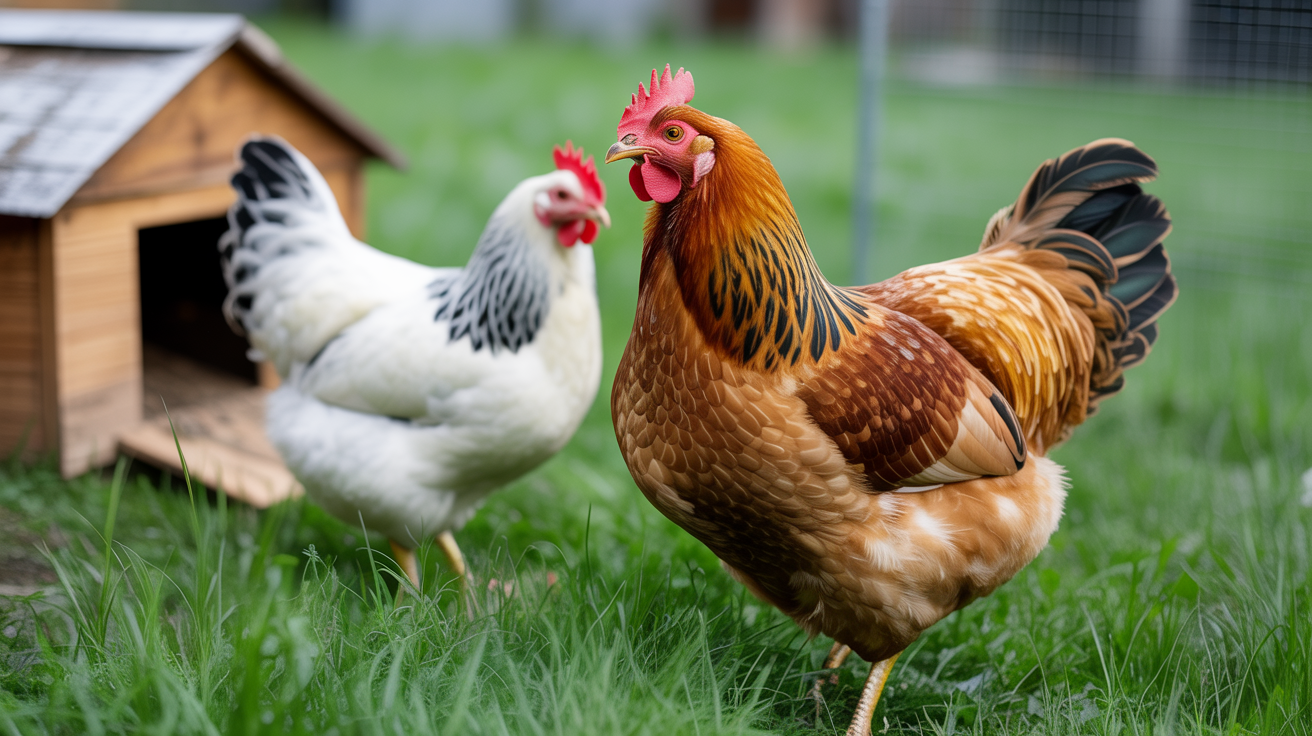
There is a version of backyard chicken keeping that looks idyllic: hens wandering through the garden, scratching at the lawn, hunting bugs under the shrubs. For a lot of keepers, that image is a big part of why they wanted chickens in the first place.
Free-ranging can absolutely be that good. It can also go badly wrong if your yard is not set up for it or if you do not understand the risks going in. This guide walks you through an honest look at both sides so you can decide whether free-ranging makes sense for your situation and, if it does, how to do it without losing birds.
What Free-Ranging Actually Means
Free-ranging simply means allowing your flock to leave the coop and run and move around a larger area, typically your yard, under varying levels of supervision. It is not one fixed approach. Some keepers let their birds out every day for several hours. Others only do it on weekends when someone is home. Some rotate chickens through fenced garden sections. Others rely on portable electric netting to define a changing perimeter.
What free-ranging is not: it is not leaving birds outside unsupervised in an unprotected space day and night. That is a reliable way to lose them.
Before you make any decisions about free-ranging, it helps to be clear on the basics of your setup. If you are still figuring out how many birds to start with, this guide on flock size for beginners is worth reading first.
The Real Benefits of Letting Chickens Roam
The reasons to free-range are genuine, not just sentimental.
Foraging reduces feed costs. Chickens are efficient foragers. When they have access to grass, soil, and leaf litter, they spend real time hunting insects, worms, seeds, and greens. During warm months with good ground cover, active foragers can meaningfully offset their feed consumption. This is not a dramatic cost savings, but it adds up over a season.
Exercise and mental engagement. A chicken that spends all day in a small run will find ways to occupy itself, and those ways often involve pecking at flock mates. Free-ranging gives birds a natural outlet. They walk more, scratch more, and interact with a changing environment. The behavioral difference between a bored confined flock and a flock that gets regular range time is noticeable.
Egg yolk quality. Hens that forage on fresh greens and insects tend to produce eggs with deeper-colored yolks. Whether that translates to meaningfully better nutrition is debated, but the yolks look different, and many keepers notice a difference in flavor during peak foraging season.
Pest control. Chickens are thorough. A flock working through a garden bed will find and eat larvae, slugs, beetles, and ticks. This benefit comes with a warning: they will also scratch up seedlings, eat ripe vegetables, and fertilize indiscriminately. Managing which areas they access and when is part of free-ranging well.
General welfare. Given the choice, chickens prefer to forage. A bird that can engage in natural behavior is generally a more content bird. If your situation allows safe free-ranging, it is worth providing.
Risks You Need to Account For
None of the benefits above matter if your birds are getting killed. Free-ranging introduces hazards that a secure run does not, and being clear-eyed about them is part of keeping chickens responsibly.
Predators are the biggest concern. Hawks are active during the day, which is exactly when your birds are out. Foxes, raccoons, and neighbor dogs are also daytime threats depending on your area. A single unguarded afternoon is enough to lose most of a flock to a determined predator. This is not a rare event; it is a regular occurrence for keepers who free-range without a plan.
For a detailed look at what works and what does not for keeping birds safe, the guide on predator-proofing your coop and run covers the full picture. Much of that thinking applies to free-range setups too.
Toxic plants. A surprising number of common yard and garden plants are harmful to chickens. Foxglove, yew, rhododendron, lantana, rhubarb leaves, and the leaves of tomato and potato plants are among the ones that come up most often. Before you let birds into a new area, spend time identifying what is growing there. Your local agricultural extension office can help if you have plants you cannot identify.
Road and boundary risks. Chickens do not understand property lines or traffic. If your yard is near a road or if neighboring properties have dogs, you need to know whether your birds can wander that far. A short fence or landscaping barrier is often enough to redirect them, but it requires thinking through your specific yard.
Exposure to wild birds. Birds that roam can come into contact with wild bird droppings, which is one pathway for disease transmission. This is a low-level background risk for most backyard flocks, not a reason to keep birds permanently confined, but it is worth knowing.
Harder to monitor for illness. A bird that is moving around a large area is easier to miss if it is behaving differently. When chickens are in a contained space, you notice changes in posture, appetite, and activity more quickly. Free-ranging requires you to be deliberate about checking on each bird daily.
How to Set Up a Safe Free-Range Routine
If you have decided your yard is a reasonable candidate, a routine matters more than any single piece of equipment.
Start with a defined window. Do not just open the coop door and walk away. Begin with a supervised session of an hour or two, stay in the yard, and watch how the birds behave and where they go. This tells you whether they wander toward risks you had not thought about.
Time it around your schedule. Free-ranging works best when someone is home. Late morning through mid-afternoon is a reasonable window on most days. Chickens naturally want to return to the coop before dark, so you do not have to chase them in at the end of the day.
Use cover to your advantage. Hawks prefer open ground because they lose the element of surprise near shrubs and trees. Providing some natural cover in your free-range area, whether existing plants or a simple lean-to shelter, gives birds a place to retreat when they sense aerial threats. Chickens are aware of hawks; they will use cover if it is available.
Rotate access where you can. If your yard has distinct sections, rotating which area birds access each week helps preserve ground cover and prevents them from completely stripping one patch. It also limits plant damage in any single area.
Lock them up reliably every night. Free-ranging is a daytime activity. Whatever your daytime routine looks like, the birds need to be inside a secure coop by dark every evening without exception. A single night left unsecured is a serious risk.
Keep their diet complete. Foraging supplements feed; it does not replace it. Make sure birds always have access to their regular feed and to fresh water, especially in warm weather. Also keep oyster shell available for laying hens. What chickens find while foraging is varied and unpredictable. Free-ranging birds that get into new foods are also prime candidates for treat-related questions. The guide on safe treats and kitchen scraps for chickens is useful background here.
When a Secure Run Is the Better Choice
Free-ranging is not right for every situation, and there is no shame in deciding a well-built run is better for your setup.
If you have a small urban yard with neighbors on all sides and no one home during the day, the risk-to-reward calculation is different than it is for a rural property with an acre of space and someone working from home. Dense predator pressure, proximity to roads, a yard full of plants you cannot identify, or a flock of birds that are still young and inexperienced are all legitimate reasons to hold off or limit free-ranging time.
A good run does not have to be a concession. A large, covered, well-enriched run can support healthy, behaviorally normal chickens. Adding things to scratch through, fresh greens tossed in regularly, and enough space per bird goes a long way.
You can also find a middle ground: supervised free-range time on weekends, or rotational access to a fenced section of yard, while maintaining a secure run as the default. The goal is welfare and safety together, not a single approach that applies to every yard.
Frequently Asked Questions
How many hours a day should I let my chickens free-range? There is no fixed rule. Many keepers aim for two to four hours on days when someone is home to keep an eye on things. What matters more than duration is that the time is supervised and that birds are secured before dark. Start with shorter sessions and extend as you get a feel for how your birds behave in your specific yard.
Do I need a rooster to free-range safely? Roosters can serve as lookouts and will sometimes position themselves near the flock and call out when they sense a hawk. That said, plenty of keepers free-range hens-only flocks successfully by using natural cover and staying nearby. A rooster is not required, but if your local ordinances allow one and you have a larger flock, it is worth knowing they do contribute to flock awareness. Local rules on roosters vary widely, so check before considering this.
What should I do if a hawk takes one of my birds? It is a hard experience. After it happens, the practical steps are to bring the remaining birds in immediately, assess your yard for cover gaps, and consider whether your free-range window or supervision level needs adjusting. Deterrents like reflective tape and decoy owls have mixed results. Consistent natural cover and active supervision are the most reliable long-term approaches.
Can I free-range chicks? Young chicks are especially vulnerable. Most keepers wait until pullets are at least 12 to 16 weeks old and fully feathered before introducing any free-range time. At that point they are more aware of their surroundings and faster on their feet. Even then, start with short supervised sessions.
My chickens keep getting into my garden. What can I do? Low temporary fencing around garden beds is the most reliable solution. Chickens respect a fence they cannot easily fly over or squeeze through. You can also consider rotating them into spent garden sections after harvest, which lets them do beneficial scratching and fertilizing without wrecking anything you care about. The basics of getting started with backyard chickens also covers setting realistic expectations for how chickens interact with yard spaces.