Coops & Housing
How to Predator-Proof a Chicken Coop and Run
Learn how to predator proof a chicken coop and run with hardware cloth, secure latches, buried aprons, and a solid nightly routine that keeps your flock safe.
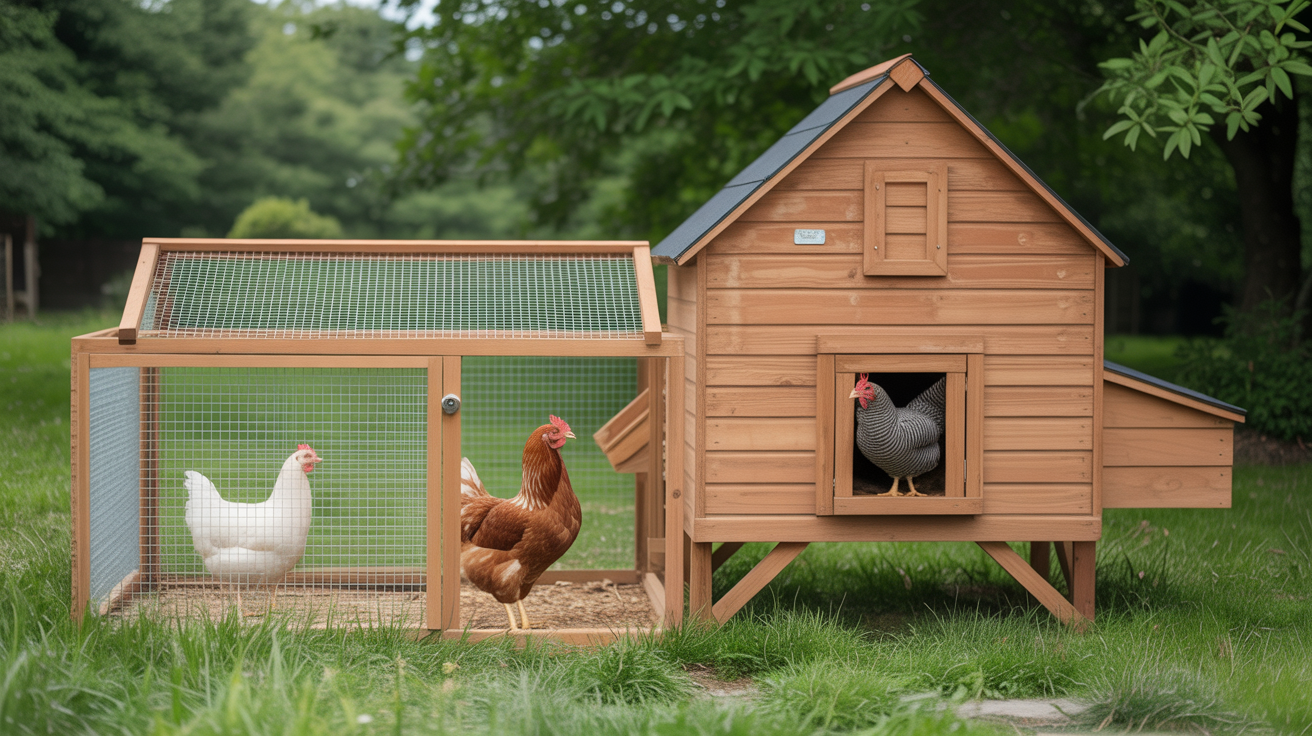
Losing chickens to a predator is one of the most disheartening experiences in backyard keeping. It usually happens fast, often at night, and almost always through a gap you didn't think mattered. The good news is that a well-built, predator-resistant coop is entirely within reach for a beginner. It comes down to a few specific materials, a handful of physical barriers, and a consistent evening routine.
This guide walks through the practical steps to keep predators out, from choosing the right wire mesh to burying an apron around your run. Before you build or retrofit, it helps to spend a few minutes thinking about what you're actually defending against.
Know Your Local Predators First
The threats vary quite a bit depending on where you live. In suburban backyards, raccoons and domestic dogs account for a large share of predation. In rural areas, foxes, weasels, mink, opossums, hawks, and in some regions coyotes and bobcats are all realistic concerns.
This matters because different predators exploit different weaknesses. Raccoons are patient and dexterous. They will work a latch repeatedly until they figure it out, and they can reach through standard poultry wire to grab a bird roosting against the wall. Weasels and mink are small enough to slip through a 1-inch gap and will kill far more birds than they eat. Hawks and owls hit from above and need a covered run to stop. Foxes dig; so do coyotes and even determined dogs.
A quick conversation with a neighbor who has kept chickens, or a search for your county's extension office resources, can tell you which animals are most active in your specific area. That knowledge shapes every decision you make about hardware, fencing height, and how deep to bury a perimeter barrier.
Hardware Cloth: The Right Material for Walls and Floors
If there is one upgrade that separates a truly predator-resistant coop from a vulnerable one, it is replacing standard chicken wire with hardware cloth. Chicken wire (the lightweight hexagonal mesh most people picture) is designed to keep chickens in, not to keep predators out. A raccoon or dog can tear through it without much effort. Weasels slip through the openings.
Hardware cloth is a welded wire mesh, typically galvanized, sold in a range of gauges and opening sizes. For a backyard coop, 1/2-inch openings in 19-gauge (or heavier) wire is the standard recommendation for most situations. The 1/4-inch version is worth the extra cost if you have confirmed weasel or mink pressure in your area, since even a 1/2-inch gap is enough for a small mustelid to push through.
Cover every vent, window, and opening with hardware cloth. Attach it with screws and washers rather than staples alone. Staples work their way out over time, especially in wood that expands and contracts seasonally, and a raccoon can pop a staple-only installation with steady pulling. Overlap seams by at least two inches and fasten them generously.
On the floor, you have two options: a solid wood or concrete floor (which nothing can dig through), or a hardware cloth floor suspended or laid flat inside the coop. A hardware cloth floor works but can be hard on feet over time; if you go that route, cover it with bedding deep enough that birds aren't standing directly on the wire. Many keepers prefer a solid wood floor with a hardware cloth apron outside instead, which brings us to the run.
If you're still thinking through your overall coop size and layout, factor in the predator-proofing materials when you plan dimensions. The beginner's build guide covers framing and hardware in more detail if you're starting from scratch.
Securing the Run: Aprons, Roofs, and Latches
The run is where most daytime attacks happen and where nighttime breaches often occur when birds haven't been locked in. A secure run needs attention on four sides: the walls, the top, the ground, and the gate.
Walls. Use the same hardware cloth you put on the coop. Run it from the top of the frame down to ground level, then bend it outward at a 90-degree angle and extend it another 12 to 18 inches along the ground surface, or bury it 6 to 12 inches down if you prefer. This is called an apron, and it stops digging without requiring a full perimeter trench. Foxes and coyotes typically try to dig straight down at the fence line; the horizontal barrier redirects them and they usually give up. Weight the surface apron down with rocks, pavers, or lawn staples until grass grows through it.
Top. A covered run is significantly safer than an open one. This matters most for aerial predators, but a covered run also removes the option for a climbing predator (raccoon, cat, opossum) to drop in from above. Hardware cloth works for the roof, though many keepers use corrugated roofing panels over part of the run to provide shade and rain cover at the same time.
Latches. This is where raccoons specifically exploit gaps in otherwise solid setups. A simple hook-and-eye or a single slide bolt is not enough. Raccoons can manipulate both with their hands in a short time. Use a carabiner clipped through the latch, or a two-step latch that requires opposing movements to open. Pad locks work but are inconvenient for daily use; spring-loaded carabiners are a popular practical middle ground.
Gate framing. Check that the gate fits its frame tightly. A sagging gate leaves gaps at the corners that a persistent animal will find. Use a diagonal brace across the gate frame to prevent sag over time.
Nighttime Routines and Extra Layers of Protection
Most predator attacks happen at night. Chickens that are shut inside a solid coop before dark are dramatically safer than birds left in the run overnight, even a well-secured run. Building a lockup habit is as important as any hardware you install.
The timing matters. Chickens return to the coop on their own at dusk and roost within a short window. Locking up shortly after full dark, before you go to bed, works well for most keepers. If your schedule is inconsistent, an automatic coop door is worth considering. These run on timers or light sensors, close reliably, and have prevented plenty of losses when a keeper got home late or traveled.
Do a quick walk around the outside of the coop and run at the same time you lock up. You're looking for fresh digging, scratches on the hardware cloth, disturbed bedding near the perimeter, or anything that suggests something was testing the setup. Catching early signs of pressure lets you reinforce before there's a breach.
A few additional layers that many keepers use:
- Motion-activated lights around the coop discourage nocturnal visitors without requiring any action on your part.
- A livestock guardian dog or outdoor cat can reduce predator pressure in the yard generally, though they require their own management.
- Roost placement inside the coop matters too. Birds roosting against a wall covered in hardware cloth can be grabbed by a raccoon reaching through from outside. Keep roosts at least 12 inches away from any exterior wall covered in wire.
Good ventilation and a safe night space aren't separate goals. If you're still working through how to balance airflow with security in the coop structure, the ventilation guide is a useful companion to this one.
Frequently Asked Questions
What is the best wire for a predator-proof chicken coop? Welded hardware cloth with 1/2-inch openings and a gauge of 19 or heavier is the most widely recommended option. It resists tearing, holds its shape at the seams, and the opening size is small enough to exclude most predators. For areas with known weasel or mink activity, 1/4-inch hardware cloth is a safer choice.
Do I need to bury wire around the run? You don't have to bury it, but you do need some form of underground or surface barrier to stop digging. An apron of hardware cloth bent outward at ground level and held down with pavers or lawn staples works just as well as a buried skirt and is easier to install after the run is already built.
How do I keep raccoons from opening the latch? Use a two-step latch that requires opposing movements to open, or clip a carabiner through the latch hardware. Standard slide bolts and hook-and-eye closures are not sufficient on their own. Raccoons are persistent and dexterous, and they will solve simple latches given enough time.
Is an automatic coop door worth it for a small flock? For many keepers, yes. Automatic doors with light sensors or timers close the coop reliably at dusk regardless of your schedule, which is the single most effective thing you can do to reduce nighttime predation. They range in price and most are straightforward to install on an existing coop.
My run is open on top. Is that a problem? It depends on your predator pressure. If you have hawks, owls, or climbing predators like raccoons in your area, an open top is a meaningful vulnerability. Adding a hardware cloth or net cover significantly reduces the risk. If your birds are only in the run during the day and you're present, some keepers accept the tradeoff, but a covered run is safer across the board.