Eggs & Laying
How to Collect and Store Fresh Eggs Safely
Learn how to store fresh eggs from backyard hens correctly — when to wash, how long they last, and the best storage spots for safety and flavor.
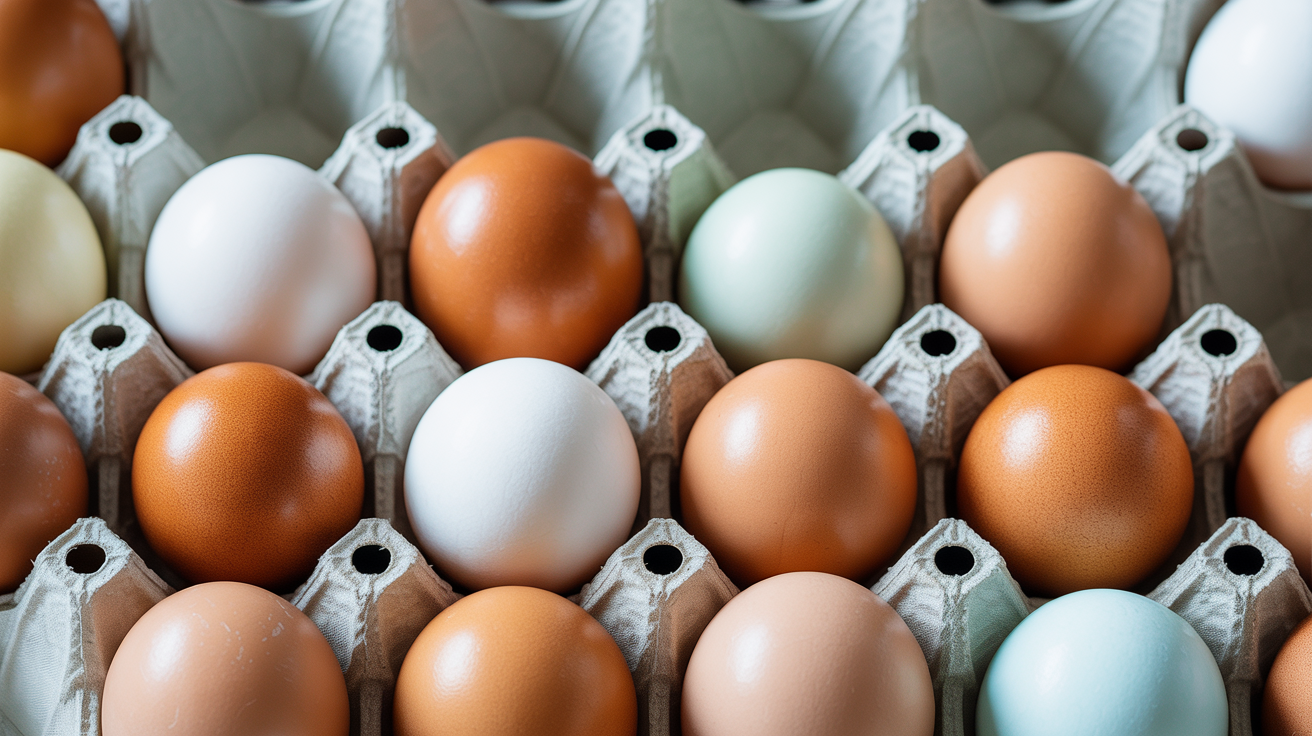
Fresh eggs from your own hens are one of the best perks of keeping chickens. But if you've ever wondered whether to refrigerate them, when to wash them, or how long they actually stay good, you're not alone, and the answers matter more than most new keepers expect. Getting your collection and storage routine right means better-tasting eggs, less food waste, and no nasty surprises cracking one into a pan.
Collect Eggs Early and Often
The sooner you pull eggs from the nest box, the better. Eggs left sitting in the box for hours can get dirty, broken, or, during hot weather, start to lose quality faster. Aim to collect at least once a day; twice a day is better if your hens are laying heavily or you have a broody bird who keeps stealing eggs to sit on.
A few collection habits that make a real difference:
- Check nest boxes morning and evening when your flock is laying actively (typically between 8 a.m. and early afternoon).
- Use a cushioned egg basket or carton to avoid cracking. Stacking eggs loosely in a bucket leads to breakage.
- Note the pointed end down when you place eggs in a carton, this keeps the yolk centered and extends shelf life by days.
- Inspect each egg before it goes in storage. Hairline cracks let bacteria in. Use cracked eggs immediately rather than storing them.
If you're not sure when your pullets will start contributing to the basket, bookmark that for later, a new layer's first eggs are often smaller but otherwise perfectly fine to eat.
To Wash or Not to Wash: Understanding the Bloom
This is the question that confuses almost every new backyard keeper. Here's the honest answer: it depends on where you live and how you plan to store the eggs.
A freshly laid egg has a thin coating called the cuticle (or bloom). It seals the thousands of tiny pores in the shell, which slows moisture loss and keeps bacteria out. If you wash that coating off, the egg becomes more porous and needs refrigeration.
Unwashed eggs can sit at room temperature, in a cool pantry or on a counter away from heat and sunlight, for up to two weeks without any quality loss. In a cool kitchen (below 70°F), some keepers go three to four weeks. That said, commercial eggs sold in the U.S. are required by law to be washed and refrigerated, which is why you'll get conflicting advice depending on what you read.
Washed eggs should go straight into the refrigerator and will stay good for 6 to 8 weeks there.
When washing is a good idea:
- The egg has visible poop, mud, or wet nest material on the shell.
- You're giving eggs to someone whose immune system is compromised.
- Your storage plan is the refrigerator anyway.
When to skip the wash:
- The shell is clean and dry right out of the nest.
- You plan to store at room temperature and use within two weeks.
- You want maximum shelf life without refrigeration.
If you do wash eggs, use water that's slightly warmer than the egg (never cold water, which causes the shell to contract and can pull bacteria inward). A quick rinse under warm running water and a gentle wipe with a clean cloth is all it takes. Skip soaking, and don't use dish soap unless the egg is badly soiled, it strips the bloom faster than a rinse.
How to Store Fresh Eggs: Room Temperature vs. Refrigerator
| Storage method | Conditions | How long eggs last |
|---|---|---|
| Room temperature, unwashed | Cool spot, under 70°F, out of sunlight | Up to 2-3 weeks |
| Refrigerator, unwashed | 35-40°F | 3-5 months |
| Refrigerator, washed | 35-40°F | 6-8 weeks |
| Countertop, washed | Any temperature | Not recommended |
One important note: once you refrigerate an egg, don't move it back to the counter. The temperature change causes condensation on the shell, which softens it and makes contamination more likely.
Store refrigerated eggs in a dedicated carton, not in the door (door temps fluctuate the most). The back of a lower shelf, where temps stay the most consistent, is your best spot.
If you're processing a big weekend haul and want to keep eggs for the long term, unwashed eggs stored in the refrigerator are the safest bet. They'll stay edible for several months, though yolk and white quality will gradually decline after the first couple of months.
The Float Test: Your Quick Freshness Check
If you've lost track of how old an egg is, the float test is a reliable way to gauge freshness before you crack it open. Drop the egg into a bowl of cold water:
- Sinks and lies flat: very fresh, under a week old
- Sinks but tilts up: still good, 1-3 weeks old
- Floats: air cell has grown large; the egg is old and should be discarded
The test works because eggshells are slightly porous. Over time, moisture evaporates out and air moves in, making older eggs buoyant. A floating egg isn't necessarily rotten, but it's past its prime and not worth the risk for anything other than the compost bin.
Keeping Nest Boxes Clean (The Best Egg-Safety Tool You Have)
Clean eggs start with clean nest boxes. If you're constantly pulling dirty eggs, the nest box is the real issue. Keep boxes filled with 3 to 4 inches of fresh shavings or straw and swap it out whenever it gets damp or soiled. Adding a lip to the front of the box helps hold bedding in; a roll-away nest box design keeps eggs off the litter entirely.
A few other nest box habits worth building:
- Block access to nest boxes at night if your hens are sleeping in them. Overnight roosting = overnight poop.
- Place fake eggs or golf balls in new boxes to encourage hens to lay there instead of on the floor.
- Check for mites in the corners of boxes. Red mite infestations stress hens enough to affect laying, if you notice tiny rust-colored specks or hens avoiding the boxes, that's worth investigating (and treating promptly with a poultry-safe miticide).
Cleaner boxes mean cleaner eggs, which means less washing, which means longer shelf life. It's one of those management details that has an outsized payoff. If nest-box management doesn't seem to be helping and your hens have dramatically cut back on production, it's worth reading through what causes hens to stop laying for the full list of culprits.
Getting the Most From Your Flock's Production
Good storage habits only pay off if the eggs are coming in steadily. Proper nutrition, consistent lighting, and low-stress housing are the biggest levers for keeping output up. A laying hen in peak condition needs about 4 grams of calcium per day, layer pellets formulated for laying hens cover this, but supplemental oyster shell on the side lets each bird self-regulate. Hens that don't get enough calcium will pull it from their bones, which affects shell quality first and overall health over time.
If you want to push production further or understand what affects your seasonal counts, the guide on how to get more eggs from your hens covers lighting schedules, molt management, and breed selection in detail.
Frequently Asked Questions
Do I need to refrigerate backyard eggs?
Not immediately, if they're unwashed. Unwashed backyard eggs have an intact bloom that seals the shell and allows safe storage at room temperature for up to two to three weeks in a cool spot. Once washed, or once refrigerated, eggs should stay refrigerated.
How long do fresh eggs last in the refrigerator?
Unwashed eggs kept in the refrigerator will stay fresh for three to five months. Washed eggs refrigerated promptly are good for six to eight weeks. Quality (texture, flavor) is best in the first month regardless of washing.
Can I wash eggs with soap?
Plain warm water is enough for most eggs. Mild, unscented soap can be used on badly soiled shells, but it strips the bloom and makes refrigeration mandatory. Rinse thoroughly, any soap residue can affect flavor.
What does it mean if an egg floats?
A floating egg has developed a large air cell as moisture evaporated through the porous shell over time. It's old. Discard it rather than eat it; the risk isn't always obvious from smell alone.
Is it safe to eat eggs that cracked in the nest?
Hairline cracks are a significant contamination risk, bacteria enter through the crack quickly. Use cracked eggs the same day, fully cooked to an internal temperature of 160°F. Don't store cracked eggs, and never give them to immunocompromised individuals.