Eggs & Laying
How to Get More Eggs From Your Hens
Practical tips to increase egg production in backyard flocks: light, feed, molt, breed selection, and flock health explained.
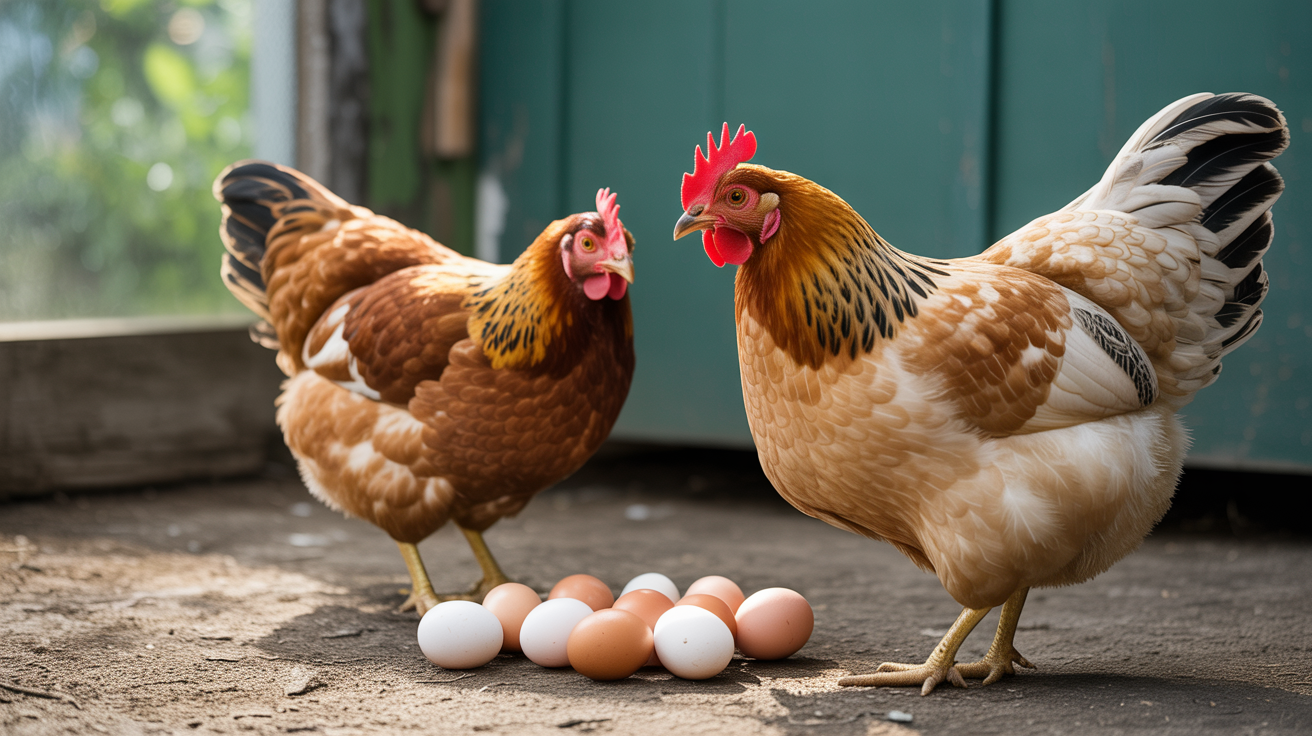
Getting a dozen eggs a week from six hens sounds reasonable, and it usually is. But a lot of backyard flocks never hit that number consistently. The good news is that most of the fixes are simple, inexpensive, and well within the reach of a keeper who pays attention to what's going on in the coop.
Most hens are capable of laying 4 to 6 eggs per week at peak, but light exposure, nutrition, stress, and age all chip away at that ceiling. Work through the factors below systematically and you'll almost certainly see improvement within two to four weeks.
Give Them Enough Light
Egg production is driven by a hen's pituitary gland responding to day length. The magic number is roughly 14 to 16 hours of combined natural and artificial light per day. Drop below that (which happens every fall as days shorten) and laying slows or stops as hens shift energy toward molting and rest.
A 40-watt incandescent bulb (or equivalent LED) covering about 200 square feet of coop space is enough. Put it on a timer so it turns on before dawn rather than extending the evening: chickens need to roost while it's light enough to find the perch. Artificial light should come on gradually if possible, but even a hard on/off timer works for most flocks.
A few caveats: pullets that begin laying in fall will sometimes carry right through winter if the days were already long when they started. But mature hens older than 18 months are much more sensitive to the light drop. If your egg count cratered in October and hasn't recovered by December, a supplemental bulb is almost certainly the answer.
Feed a Layer Ration and Offer Oyster Shell
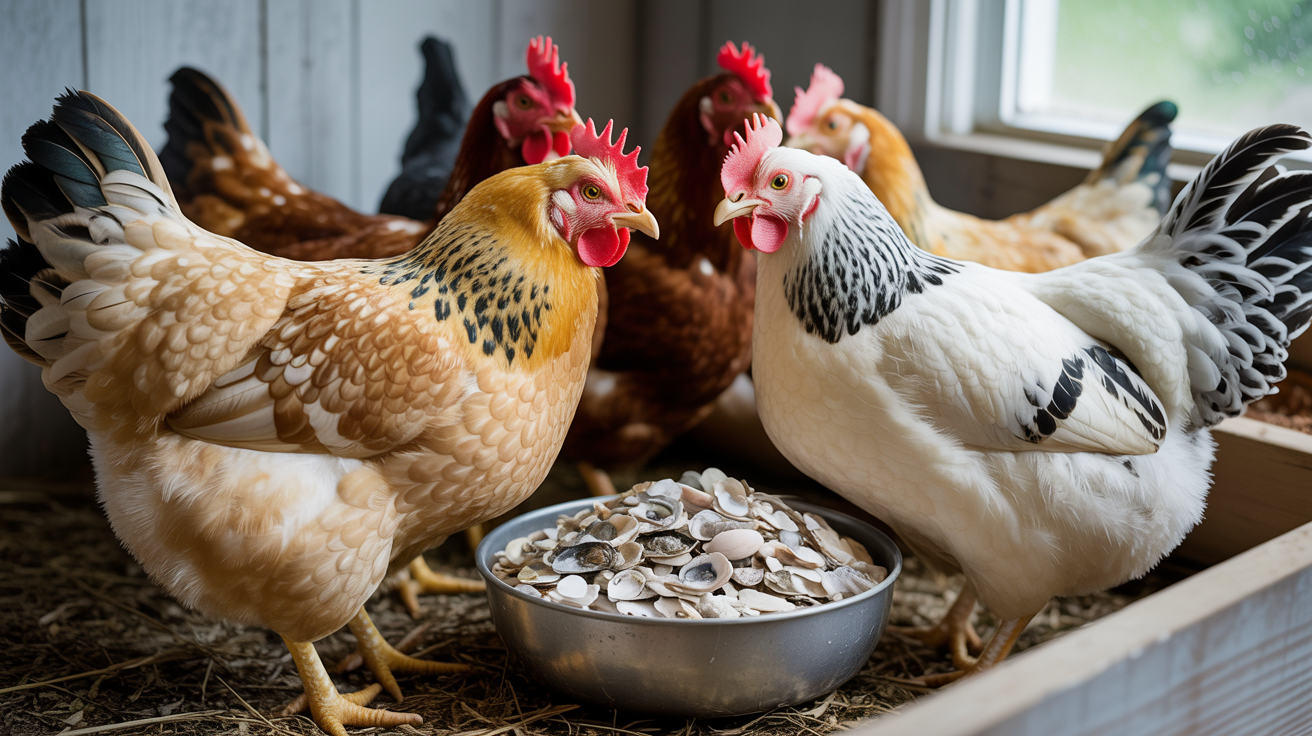
A hen puts a significant amount of protein and calcium into each egg. One large egg contains roughly 6 grams of protein and a shell that's about 2 grams of calcium carbonate. That adds up fast when a hen is laying five times a week.
A commercial layer pellet or crumble formulated at 15 to 18 percent protein covers the basics. The errors keepers make most often are:
- Feeding scratch as the primary ration. Scratch is mostly corn and is low in protein. It's a treat, not a diet. Keep it to 10 percent or less of daily intake.
- Skipping oyster shell. Layer feed has calcium, but heavy layers often need more. Free-choice oyster shell in a separate dish lets each hen take what she needs without over-supplementing birds that don't require it.
- Underfeeding. A standard laying hen eats about a quarter pound of feed per day (roughly a quarter-cup of pellets by volume). A flock of six should be going through around 10 pounds a week.
Supplements like mealworms can help during molt because they're high in protein, but under normal conditions a good layer feed is enough. Always provide fresh, clean water. Dehydration is one of the fastest ways to drop production, especially in summer heat.
Manage the Molt
Once a year, hens stop laying, drop their feathers, and regrow a fresh coat. This is normal and healthy. For most hens it lasts 8 to 12 weeks, though older birds and certain breeds can stretch it to 16 weeks or longer. Trying to force production during a heavy molt by adding light or stress is counterproductive and hard on the bird.
What you can do during molt:
- Switch to a higher-protein feed (20 percent, or a "flock raiser" style) to support feather regrowth.
- Reduce stress by keeping the flock calm and avoiding introductions of new birds.
- Keep up with oyster shell so returning layers have calcium reserves.
Production typically snaps back within a few weeks of the molt finishing. If a hen is 12 weeks past her molt ending and still not laying, she may be dealing with a health issue (see below) or she may simply be an older hen with declining production overall.
For more context on the full arc of a hen's laying life, when do chickens start laying eggs breaks down the timeline from hatch through peak production by breed.
Rule Out Health Problems First
A hen that has laid well and then stops (outside of molt or winter) is telling you something. Common culprits include:
| Problem | Signs | Action |
|---|---|---|
| Lice or mites | Pale comb, restless at night, bare patches near vent | Treat with poultry-safe powder or spray; clean coop thoroughly |
| Internal laying / egg peritonitis | Swollen abdomen, penguin stance, lethargy | Poultry vet visit; this is serious |
| Respiratory illness | Rattling breath, nasal discharge, reduced appetite | Isolate, call your extension office or vet |
| Worms | Pale yolks, weight loss, loose droppings | Fecal float test; treat as directed by vet |
| Hidden nest | Eggs simply missing | Search your yard; lock down access to favorite hiding spots |
Stress also tanks production fast. Predator pressure (even a hawk circling twice a day), flock pecking order disruption, overcrowding, or sudden changes in routine all hit laying before you'd expect. The general rule is 4 square feet of coop space and 10 square feet of outdoor run space per bird at minimum. Crowding below that leads to stress and feather picking alongside production drops.
If you've seen a sudden stop rather than a gradual one, check out why did my chickens stop laying eggs for a deeper look at sudden-stoppage causes.
Know Your Breed Expectations
Not all hens are built to lay at the same rate, and expecting Mediterranean-style production from a heritage or dual-purpose breed is a recipe for frustration.
High-production breeds (5 to 6 eggs per week at peak):
- Leghorn (white eggs)
- Golden Comet, Red Sex-Link
- ISA Brown, Bovan Brown
- Rhode Island Red (closer to 4 to 5, but consistent)
Medium-production breeds (3 to 4 eggs per week):
- Plymouth Rock (Barred Rock)
- Australorp
- Orpington
- Sussex
Lower-production heritage and ornamental breeds (1 to 3 eggs per week):
- Silkie
- Cochin
- Brahma
- Most bantam breeds
If your goal is maximum egg output per bird, production-oriented hybrids like sex-links will outperform heritage breeds handily. The trade-off is that production hybrids tend to lay hard for two to three years and then drop off more steeply than a slower-laying heritage breed that might produce modestly for five or six years.
Age also matters. Most hens peak in their first 18 months. By year three, production typically falls 20 to 25 percent. By year four or five, some breeds are barely laying at all. A mixed-age flock with new pullets cycling in each year keeps the overall weekly count steadier.
Practical Egg-Count Checklist
Run through this before assuming something is seriously wrong:
- Daylight hours: are hens getting 14 to 16 hours of light?
- Is layer ration the primary diet, with treats under 10 percent?
- Is oyster shell available free-choice?
- Fresh water accessible at all times, including in winter (heated waterer if temps drop below freezing)?
- No signs of lice, mites, worms, or respiratory issues?
- Nest boxes clean, dark, and one box available for every 3 to 4 hens?
- Coop space adequate (4 sq ft per bird inside, 10 sq ft in run)?
- No new predator pressure or flock disturbances?
- Hen age: under 3 years old?
If you check every item and production is still lower than expected, note which individual hens seem inactive versus which ones are using the nest boxes. Leg bands or wing bands make this easier to track in a mixed flock.
Once you've got production up, handling and storing eggs properly matters too. How to collect and store fresh eggs safely covers the basics of keeping your haul in good shape from coop to kitchen.
Frequently Asked Questions
How many eggs should I expect per hen per week?
A healthy laying hen of a production breed in her first two years will average 4 to 6 eggs per week during spring and summer, dropping to 2 to 3 in winter without supplemental light. Heritage breeds run closer to 3 to 4 per week at peak.
Will adding a rooster help my hens lay more eggs?
No. Hens lay with or without a rooster present. A rooster's only role in egg production is fertilizing eggs for hatching. A dominant rooster can occasionally cause stress if he's rough with hens, which can actually reduce laying in anxious birds.
My hen just started laying but her eggs are tiny. Is something wrong?
Pullets often lay small "pullet eggs" for the first few weeks after production starts. The eggs get larger as the hen's system matures, usually reaching full size by 6 to 8 weeks into laying. Double yolks are also more common early on.
Can I feed my hens extra calcium to get more eggs?
Calcium is essential for shell formation, but extra calcium doesn't increase the number of eggs a hen lays; it just improves shell quality. Excess calcium can actually damage kidneys over time. Free-choice oyster shell (not mixed into feed) is the right approach because hens self-regulate their intake.
My hens were laying fine and then stopped suddenly with no obvious cause. What should I check?
Sudden drops almost always trace back to stress (predator visit, new flock member, handler change), light reduction (shorter days, a burned-out supplemental bulb), a hidden nest outside the coop, or an early molt. Work through that list first before looking at feed or health issues. If the hen also shows physical symptoms like lethargy, swelling, or respiratory sounds, contact a poultry vet or your county extension service rather than waiting it out.