Health & Care
How to Deal With a Broody Hen
Learn what a broody hen is, why she goes broody, and the gentlest, most effective ways to break a broody hen and get her back to normal.
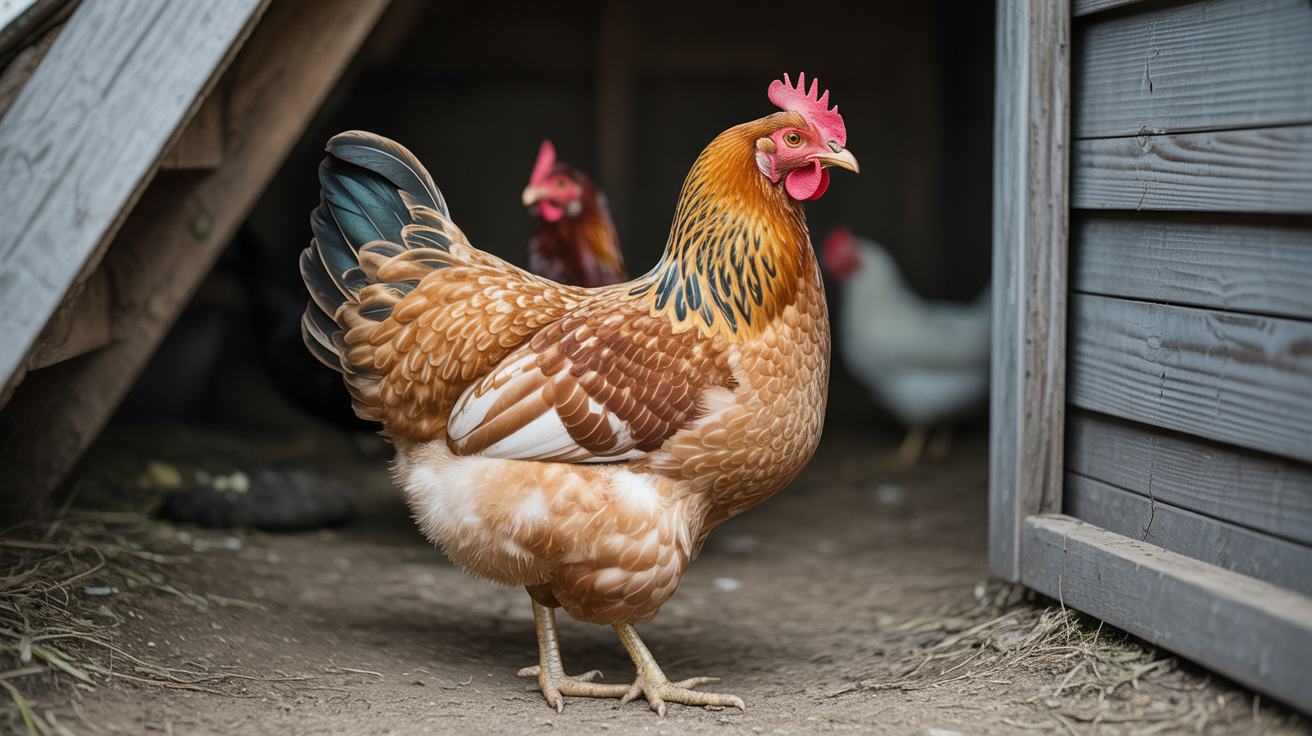
You reach into the nest box to collect eggs and something growls at you. Not quite a growl, but close enough to make you pull your hand back. Your hen is puffed up like a football, flattened against the nest, and she is not moving for anyone. That is broodiness, and if you keep laying hens long enough, you will deal with it.
Here is what is actually going on, what it does to your hen, and how to handle it without stressing her out more than necessary.
What Is a Broody Hen
Broodiness is a hormonal state that drives a hen to sit on a clutch of eggs and incubate them. It is completely natural, and in hens that still carry strong maternal instincts, it can switch on without warning.
Once a hen goes broody, her body shifts into a different mode. Prolactin levels rise sharply, which suppresses her ovaries and stops egg production. She spends almost all of her time on the nest, leaving only briefly once or twice a day to eat, drink, and eliminate. Her droppings during this period are notably large and foul-smelling, which is normal and simply the result of holding everything until she takes her short breaks.
She will pluck feathers from her breast to create a bare brood patch, which transfers her body heat more directly to the eggs. She will hiss, peck, and puff out to warn anything that comes close. Some hens are mild about it; others will draw blood.
A broody hen is not sick. She is doing exactly what her instincts are telling her to do. That said, prolonged broodiness does carry real health risks, so understanding when and how to stop a broody hen matters.
Why Broodiness Becomes a Problem
Left to sit indefinitely on an empty nest or unfertilized eggs, a broody hen can run into trouble. The main concerns are:
Weight loss. A dedicated broody may eat and drink so little that she loses significant body condition over two to three weeks. Some hens barely leave the nest at all.
Dehydration. In hot summer weather especially, a hen parked under a heat lamp or in a warm coop can become dangerously dehydrated if she is not drinking enough.
Muscle weakness. Extended sitting weakens leg muscles. Some hens struggle to walk normally after a long broody stretch.
Parasite pressure. A hen sitting motionless in a nest box is an easy target for mites and lice. If you notice unusual scratching or see movement in her feathers when you check on her, read through how to treat mites and lice on chickens for next steps.
Secondary illness. A hen whose immune system is taxed from poor nutrition and stress is more vulnerable to other problems. Watch for any of the warning signs covered in signs of a sick chicken and what to do if she seems off beyond normal broody behavior.
If you do want fertile eggs hatched, a committed broody can be an excellent natural incubator. But for most backyard keepers who just want eggs and healthy birds, breaking broodiness sooner rather than later is the kinder option.
How to Break a Broody Hen
There is no single method that works every time on every hen, and some individuals are more stubborn than others. Work through these approaches from gentlest to most effective.
Remove her from the nest repeatedly
The simplest first step is to physically lift her off the nest several times a day and block her from returning. Some hens, especially first-time or lightly broody individuals, will give up within a few days of consistent removal. Collect eggs frequently so there is nothing to sit on.
During each removal, make sure she actually walks to the waterer and feeder. A broody hen in full swing may stand directly in front of food and water without touching either. Nudge her toward both before you let her be.
Disrupt the nest
Broodiness is maintained partly by the sensory experience of sitting in a dark, enclosed space. Blocking off the nest box temporarily, or filling it with an awkward object she cannot settle on comfortably, can break the feedback loop. Some keepers lay a few ice cubes in the nest box before putting her back, which counteracts the body-heat warmth she is seeking. Results vary.
Use a broody breaker crate
This is the most reliably effective method to break a broody hen, and it works by removing the warmth and enclosure that reinforce the hormonal state. The setup is simple: a wire-bottomed crate, raised off the ground on bricks or hung so air circulates underneath. Place the hen inside with food and water but no nesting material. The airflow under her cools her underside, which helps bring prolactin levels back down.
Most hens come out of broodiness within two to four days in a breaker crate. Check on her several times a day. She should have constant access to fresh water, especially in warm weather.
A few things to keep in mind:
- Do not use a solid-bottomed crate. Airflow to the underside is what makes it work.
- Keep the crate in a spot where she can see and hear the flock. Complete isolation adds unnecessary stress.
- Once she stops acting broody (calm, no puffing, no pecking, actively eating), put her back with the flock and watch for a day or two. Some hens break early and then return to the nest. If she goes straight back, give her another day or two in the crate.
Give her fertile eggs to hatch (if that works for you)
If broodiness is recurring and you have the setup for it, letting a committed broody actually hatch and raise a clutch of fertile eggs can satisfy the drive entirely. This is not always practical, but it is worth mentioning. A hen that raises chicks typically comes out of broodiness naturally when the chicks are a few weeks old.
Caring for Her After Breaking
Once she is back to normal, give her a few days to rebuild. Offer a higher-protein feed or a small serving of cooked egg or mealworms to help her put weight back on. Check her condition: run your fingers along her keel bone to assess body score. If it feels like a blade with very little muscle on either side, she needs more calories.
Egg laying usually resumes within one to three weeks of breaking broodiness, though the exact timeline depends on the individual and where she is in her molt cycle.
If she has been sitting for a long time without much movement, watch her walk. Some stiffness is normal and resolves on its own. Significant limping or inability to bear weight warrants a closer look. And if she has been through this before and you have not wormed her recently, it is worth reviewing deworming chickens: when and how, since a heavy parasite load can compound the physical toll of a long broody stretch.
Breeds and Recurring Broodiness
Some breeds go broody far more readily than others. Silkies, Cochins, Buff Orpingtons, and many heritage breeds carry strong maternal instincts. Production breeds like Leghorns and most sex-links have had broodiness largely selected out of them.
If you have a hen who goes broody two or three times each season, that is just her nature. She is not doing anything wrong. The breaker crate method will work each time, though it may take slightly longer with a very committed bird. Some keepers with repeat broodys simply build a permanent breaker crate setup so it is always ready to go.
Frequently Asked Questions
How long does broodiness last if I do nothing? A determined broody will sit for roughly 21 days, which is the natural incubation period for chicken eggs. After that, instinct pushes her to either move on or, in some cases, continue for another cycle. Leaving her to run the full course is hard on her body and extends the period she is out of lay, so most keepers prefer to break it early.
Can I use a broody hen to hatch eggs from another chicken? Yes. A broody hen does not distinguish between her own eggs and those from another hen. If you slip fertile eggs under her within the first day or two of broodiness, she will incubate and raise them as her own. This is called using a "broody foster," and it works well if you want chicks without an incubator.
Is broodiness contagious? Not exactly, but seeing one hen settled in a nest box can encourage others to investigate and sometimes pile in. Separate your broody hen from the main nest area if you want to reduce the chance of others catching the habit.
Will breaking broodiness hurt her? Done properly, no. The discomfort of the breaker crate is mild and temporary. The alternative, letting her sit for weeks without enough food and water, is harder on her health. Most hens are visibly more energetic and alert within a day or two of coming out of broodiness.
My broody hen has not eaten or drunk anything in two days. Should I be worried? A broody hen who is completely refusing food and water is at real risk of dehydration and rapid weight loss. Move her to the breaker crate immediately and make sure fresh water is directly in front of her. If she still will not drink after another 24 hours, or if she seems lethargic beyond normal broody stubbornness, consult a poultry vet. Prolonged refusal to drink is a health emergency.