Health & Care
How to Introduce New Chickens to an Existing Flock
A step-by-step keeper's guide to adding chickens to a flock safely, managing the pecking order, and keeping stress low for birds old and new.
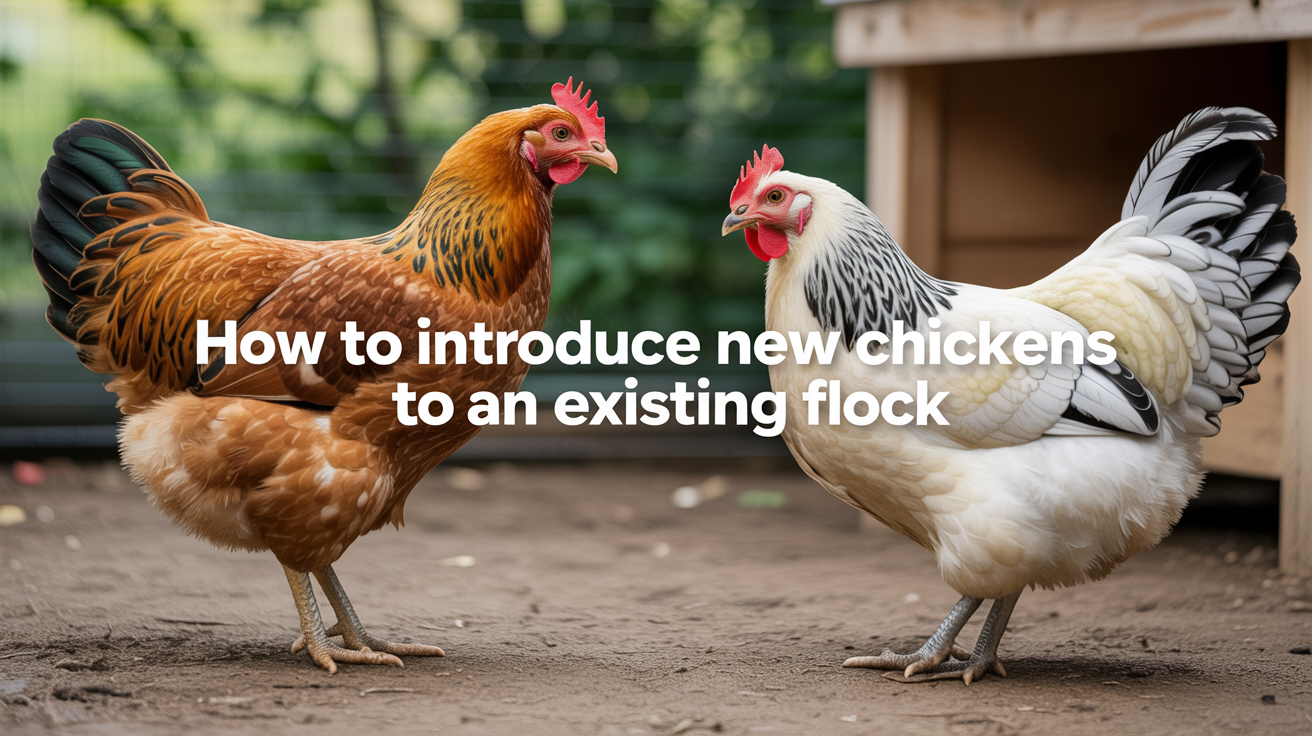
Bringing home new birds is one of the more exciting parts of keeping chickens. It is also one of the more nerve-wracking. If you drop newcomers straight into an established coop, the residents will almost certainly pile on. The chasing, feather-pulling, and cornering that follows is not just unpleasant to watch; it can injure or stress birds badly enough to affect laying and health.
The good news is that most integrations go smoothly when you give the flock time to adjust in stages. This guide walks through why chickens react the way they do, how to set up a gradual introduction, and what to watch for once the birds share a space.
Why the Pecking Order Makes Introductions Complicated
Chickens are not being cruel when they attack newcomers. They are enforcing a social structure that determines who eats first, who perches where, and who has priority at the waterer. Every bird in a flock holds a rank, and that rank is maintained through small daily signals: a look, a shoulder-check, a quick peck.
A stranger appearing inside the coop has no rank at all. From the flock's perspective, the established order is suddenly undefined, which triggers defensive behavior in the dominant birds. The newer the stranger, the more aggressively residents tend to respond.
A few things that make the reaction worse:
- The newcomers are younger or smaller (they read as easy targets)
- The coop space is tight (birds cannot escape or avoid each other)
- The introduction is sudden, with no prior visual contact
- The flock is stressed for another reason at the same time (molt, extreme heat, a recent predator attempt)
Understanding this tells you what a good introduction has to address: give the flock time to see and smell the new birds before contact, and make sure there is enough space to spread tension out once they do mix.
The "See But Don't Touch" Period
The most reliable method for adding chickens to a flock is a two-week quarantine followed by a side-by-side separation period before full mixing. Here is how that looks in practice.
Quarantine first (two to four weeks). New birds should live completely apart from your existing flock when they first arrive, in a separate space with their own feeders, waterers, and bedding. This protects your established birds from respiratory illness, parasites, or other conditions the newcomers might be carrying without obvious symptoms. Keep the quarantine area far enough away that the flocks cannot share airspace through a fence gap.
While the new birds are in quarantine, watch them closely. A sick chicken may not show obvious signs at first, and a few weeks of observation will catch most problems before they reach your main flock. Also check for mites or lice, since new birds are a common entry point for external parasites. It is also worth thinking about deworming if the new birds came from an unknown source or a mixed-age flock.
Side-by-side exposure (one to two weeks). After quarantine, move the new birds into a pen that shares a wire wall or fencing with the main run. Both groups can see and hear each other constantly, but physical contact is not possible. Chickens spend most of this period doing a lot of staring, some low-grade posturing, and eventually losing interest. By the end of a week or two, the novelty has worn off considerably.
This stage matters more than most new keepers expect. Birds that have had visual contact for several days before mixing typically fight less and settle faster than birds introduced cold. The existing flock has already had time to decide where the newcomers roughly fit in the social structure, which means the first day of mixing tends to involve sorting rather than all-out warfare.
Running the Integration
When the two groups have had at least a week of side-by-side exposure and the new birds look healthy, you are ready to open the gate.
Pick a low-stress moment. Early morning on a day when you will be home is ideal. The birds will be active and looking for feed, which gives them something to do other than harass each other.
More space helps. If your run is small, this is the time to add a temporary pen or section off an extra patch of yard. Physical space allows subordinate birds to retreat from confrontation rather than be cornered.
Put out extra feeders and waterers. Dominant birds frequently guard resources, and a single feeding station makes it easy for them to block everyone else. Two or three spots for food and water spread the flock out and reduce flashpoints.
Let them sort it out, mostly. Some chasing, neck-grabbing, and feather-pecking is normal and part of how the pecking order gets settled. It looks rough, but it is usually brief, and the same pairs do not typically repeat it endlessly. What you are watching for is sustained gang-up behavior, a bird that cannot access feed or water at all, or injuries that break skin.
Intervene when needed, not constantly. If a newcomer is being pursued relentlessly by multiple birds and has no escape route, separate them temporarily rather than letting it escalate. Put them back together later in the day or the following morning. Repeat as needed. Most flocks settle within one to three weeks.
Managing the First Few Weeks After Mixing
The first few days are the most intense. After about a week, most flocks have established a new working order and the drama drops off noticeably. A few things that help the transition:
Keep a close eye on the lowest-ranking birds. In any group, there is usually one bird who ends up at the bottom and absorbs more attention from above. Check that bird daily to make sure it is eating, drinking, and does not have wounds that are being pecked at.
Roosting can be a sticking point. New birds often struggle to claim a spot on the perch at night for the first few days, since established birds may block access. Adding a second perch bar, or a lower option at a different height, gives newcomers somewhere to land without displacing anyone.
Molt timing matters. If your existing flock is in the middle of a molt when you introduce new birds, hold off if you can. Molting birds are already stressed, lower in the social hierarchy temporarily, and sometimes more irritable than usual. Waiting until molt is finished tends to produce calmer introductions.
Keep watching for health signals. The stress of integration can bring on illness in birds that were borderline before mixing. Watch for any bird that becomes quiet, puffs up, stops eating, or shows changes in droppings during the first two weeks after the full mix.
What a Good Outcome Looks Like
A successful integration does not mean every bird is friends. Chickens maintain rank their whole lives, and the lowest-status bird in a flock will always get bumped occasionally at the feeder. That is normal.
What you are looking for is a flock where all birds can eat, drink, and roost without being persistently blocked. Minor squabbles happen and then stop. Nobody is being actively hunted. The new birds are starting to follow the flock's rhythm: out foraging in the morning, back near the coop in the afternoon, settled on the perch by dusk.
Most integrations that follow the gradual approach reach that point within two to three weeks. A small number take longer, especially if there is a significant size mismatch or a particularly aggressive individual in the established flock. Patience and extra observation carry you through the harder ones.
Frequently Asked Questions
How long does it take for chickens to accept new flock members?
Most flocks settle into a new working order within two to four weeks of full mixing. The first three to five days tend to be the most active in terms of chasing and posturing. By the end of the second week, most groups have sorted out the new pecking order and day-to-day conflict drops off significantly.
Can I introduce just one new chicken to an existing flock?
You can, but it is harder on the new bird. A single newcomer bears the full weight of the social adjustment alone and has no companion to retreat with. If possible, add at least two new birds at the same time so the existing flock's attention is divided and the newcomers have each other for company.
What if my existing birds will not stop attacking the new ones?
Check that you have enough space and multiple feed and water stations. If one particular bird is doing most of the attacking, you can remove that bird from the flock for a few days. When they return, they come back as a newcomer themselves and lose some social standing, which often reduces their aggression. Give the integration more time before deciding it will not work.
Do I have to quarantine if I bought the new birds from a trusted source?
Even birds from healthy, well-kept flocks can carry things they are immune to that your flock has never encountered. A quarantine period costs very little and can prevent a serious illness from moving through your whole coop. Most experienced keepers keep the two-to-four week quarantine regardless of source.
At what age can I introduce new chicks to an adult flock?
Wait until the chicks are large enough not to be injured by adults, which is generally around 8 to 10 weeks, and ideally closer to the size of the smallest adult in your flock. Even at that point, use the same gradual approach: side-by-side exposure before mixing, and close supervision during the first week together.