Eggs & Laying
Soft-Shelled and Weird Eggs: Causes and Fixes
Find out why your hens lay soft shell eggs, thin eggshells, or no shell eggs at all, and what practical steps you can take to fix the problem.
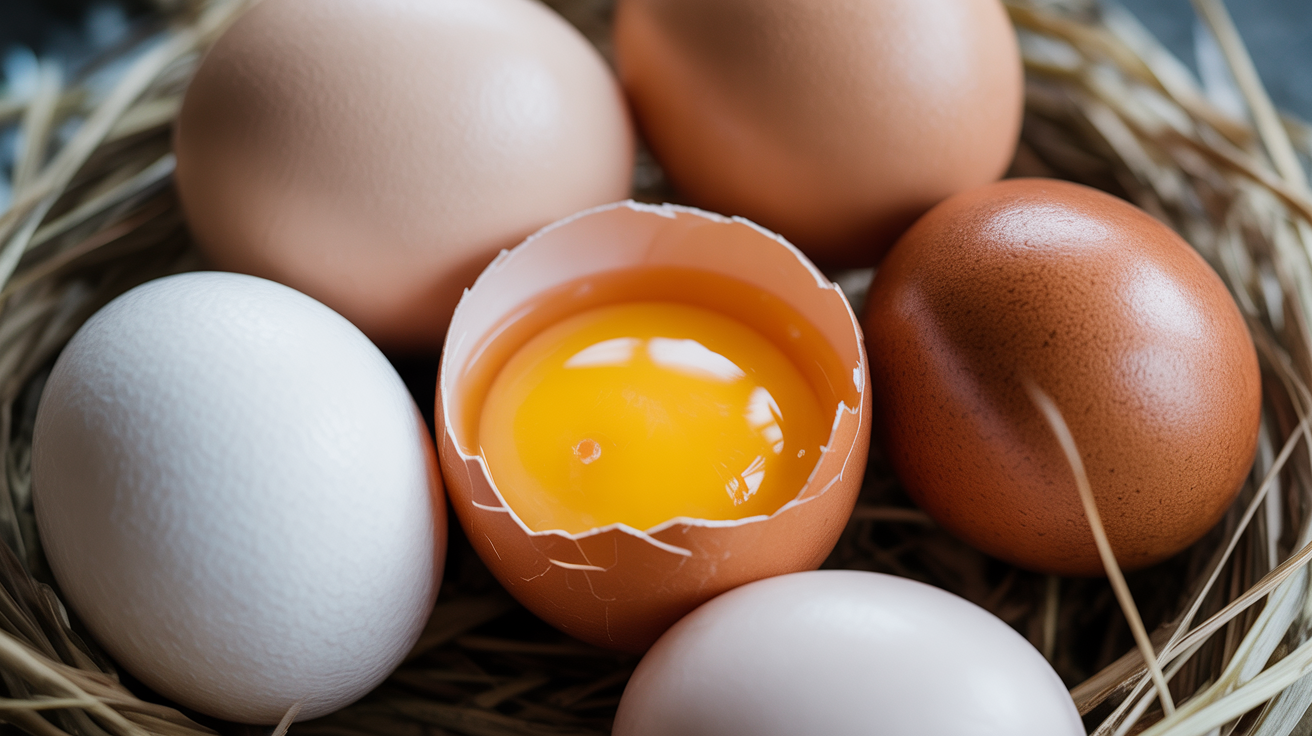
Opening the nesting box and finding a flattened, rubbery egg instead of a firm one is a little alarming the first time it happens. You might wonder whether your hen is sick, whether you did something wrong, or whether the egg is safe to eat. Most of the time, a soft-shelled or otherwise strange-looking egg is a minor hiccup, not a sign of serious trouble. Understanding what drives the shell-making process makes it much easier to figure out what went wrong and how to fix it.
How a Chicken Makes an Eggshell
Before troubleshooting, it helps to know what you are working with. After a yolk is released from the ovary, it moves through the oviduct in a sequence of steps that takes about 24 to 26 hours from start to finish. The shell gland, sometimes called the uterus, is the last major station. The hen spends roughly 20 of those hours there, pulling calcium from her bloodstream to deposit a calcified shell around the egg.
That means shell quality is almost entirely a calcium story. If there is not enough calcium available when the shell gland needs it, the egg comes out soft, thin, or bare. Every other factor matters because of how it affects calcium supply or absorption.
The Most Common Cause: Calcium Deficiency
A laying hen needs a lot of calcium, far more than a non-laying hen or a rooster. Layer feed is formulated to supply the right amount, but two things commonly undercut it.
Feeding the wrong ration. Starter or grower feeds are low in calcium by design, because too much calcium harms growing kidneys. If you are still feeding starter or grower to hens who have begun laying, switch to a layer feed or add a separate calcium supplement.
Not enough free-choice calcium. Even on good layer feed, many keepers add crushed oyster shell in a small dish that hens can take from as needed. High-producing breeds often want more calcium than feed alone supplies, especially in hot weather when they eat less. Putting out oyster shell costs almost nothing and removes a common bottleneck.
A hen also needs vitamin D3 to absorb calcium properly. Hens with regular outdoor access typically make enough from sunlight. Birds that are cooped up for long stretches can run short. If your setup limits outdoor time, look for a layer feed that already includes D3, or consider a poultry-specific supplement.
Young Hens Just Starting to Lay
One of the most reassuring explanations for a weird egg is age. A pullet producing her first few eggs is working with an immature system. The timing and mechanics of shell deposition can be off for weeks. You may see:
- Eggs with paper-thin shells that crack at the slightest touch
- Completely shell-less eggs, which look like a raw egg inside a clear membrane
- Double-yolk eggs from two yolks released too close together
- Tiny eggs, sometimes called "wind eggs," that contain no yolk at all
These quirks almost always sort themselves out within a few weeks as the reproductive system matures. No intervention is needed beyond making sure young hens have access to layer feed and calcium from the day they start laying.
If you are waiting for your pullets to begin laying and want a sense of the timeline, our guide on when do chickens start laying eggs walks through what to expect by breed and season.
Stress, Illness, and Disruption
Egg formation is sensitive to disruption. Anything that stresses a hen during those 20-plus hours in the shell gland can interrupt normal calcium deposition. Common triggers include:
Fright and handling. A sudden predator scare, a rough catch, or an unusually disruptive visit to the coop can cause a hen to drop an egg early before the shell is fully formed.
Heat. In hot weather, hens pant to stay cool, which shifts their blood chemistry (specifically blood pH) in ways that interfere with calcium binding. This is one reason summer egg quality can drop even when feed and supplements are unchanged. Good ventilation and shade help more than supplements in this situation.
Illness. Infectious bronchitis and Newcastle disease both affect the reproductive tract. If you see soft or misshapen shells across multiple hens at the same time, especially alongside respiratory signs, contact a poultry vet or your local agricultural extension office rather than treating it as a nutrition problem.
New flock dynamics. When you add birds or rearrange the pecking order, the resulting stress can cause temporary soft or thin shells in the hens at the bottom of the order.
For a broader look at what can shut down production entirely, see our piece on why did my chickens stop laying eggs.
Older Hens and Aging Systems
Shell quality tends to decline as hens age, particularly after the second or third laying cycle. An older hen produces the same amount of egg white and yolk but does not always have the same capacity to deposit a full shell. The shells thin, crack more easily, and occasionally fail to form properly.
You can support older hens with consistent oyster shell access and a high-quality feed, but it is worth setting realistic expectations. A five-year-old hen that has been laying since her first autumn is doing something physically demanding, and minor shell defects become more common. If she is otherwise healthy, eating well, and behaving normally, shell thinning on its own is not an emergency.
What Weird Eggs Tell You (and What They Do Not)
A few specific types of weird eggs are worth knowing on sight:
Shell-less eggs. The membrane is intact but there is no calcified shell. This is the starkest form of a calcium or timing problem, and it is not unusual in new layers or stressed birds.
Wrinkled or ridged shells. These often mean the egg was held in the shell gland too long, sometimes because a second egg caught up to it. They are harmless.
Speckled or rough shells. Can indicate calcium distribution issues, or in some cases a mild infection. If it happens once, do not worry. If multiple hens produce rough shells consistently, look at feed quality and consider a vet consult.
Blood spots or meat spots. These are not shell problems but rather small hemorrhages or tissue fragments in the white or yolk. Unpleasant-looking, but safe to eat if you remove the spot. More common in older hens.
Very pale or discolored shells. Shell color comes from pigment deposited in the final minutes before laying. Stress, illness, and some medications can reduce pigmentation without affecting shell strength.
Practical Steps to Improve Shell Quality
If you are seeing soft or thin shells regularly, work through this checklist before drawing conclusions:
- Confirm hens are eating layer feed, not grower or scratch as a primary ration.
- Put out a small dish of crushed oyster shell and keep it full. Hens regulate their own intake; let them choose.
- Check that hens have access to outdoor light or that indoor lighting mimics a reasonable photoperiod.
- Review recent changes: new birds, a predator scare, hot weather, or a feed switch.
- If more than one hen is affected and respiratory symptoms are present, contact a poultry vet.
Improving calcium supply often shows results within one to two weeks. If thin or soft shells persist after that, the issue may be absorption (vitamin D deficiency), an underlying health problem, or age-related decline.
For ideas on supporting overall laying performance alongside shell quality, our guide on how to get more eggs from your hens covers feed, lighting, and management in more detail.
Frequently Asked Questions
Is a soft-shelled egg safe to eat?
A shell-less or very soft egg is best handled with caution. The membrane may have tiny breaks that let bacteria in, and without the shell's normal protective barrier, contamination risk is higher. If the membrane is fully intact and the egg looks clean, some keepers cook and eat it promptly. If there is any doubt, discard it. Never store a soft or shell-less egg in the fridge alongside hard-shelled ones.
My hen laid a weird egg once. Should I be worried?
A single unusual egg is almost always nothing to act on. New layers produce odd eggs regularly, and any hen can drop an off egg after a stressful day. Watch for patterns: if the same hen produces soft or thin shells multiple days in a row, or if several hens are affected at once, then it is worth investigating.
Can roosters cause soft-shelled eggs?
Roosters have no direct effect on shell formation. A rooster can stress hens through aggressive mating, which in turn can interrupt the laying cycle, but the root cause there is stress, not the rooster himself. If mating is excessive and hens are showing wear on their backs, managing rooster-to-hen ratios (generally one rooster per eight to twelve hens) can reduce that stress.
How much oyster shell should I put out?
There is no fixed amount. Offer it free-choice in a small dish separate from feed and let hens take what they need. Most keepers find that a small dish refilled once or twice a week is plenty for a backyard flock. Hens in peak production or on light-deficient setups may consume noticeably more.
When should I call a vet about egg problems?
Call a poultry vet or reach out to your local agricultural extension office if: multiple hens develop soft shells at the same time, if you see any respiratory symptoms alongside shell problems, if a hen appears lethargic or has a swollen abdomen, or if soft shells persist after several weeks of correct feeding and supplementation. These scenarios can point to infectious disease or reproductive disorders that need professional assessment.