Coops & Housing
The Best Bedding for a Chicken Coop
A practical keeper-to-keeper guide to chicken coop bedding: pine shavings, straw, and other litter options compared so you can pick what works for your flock.
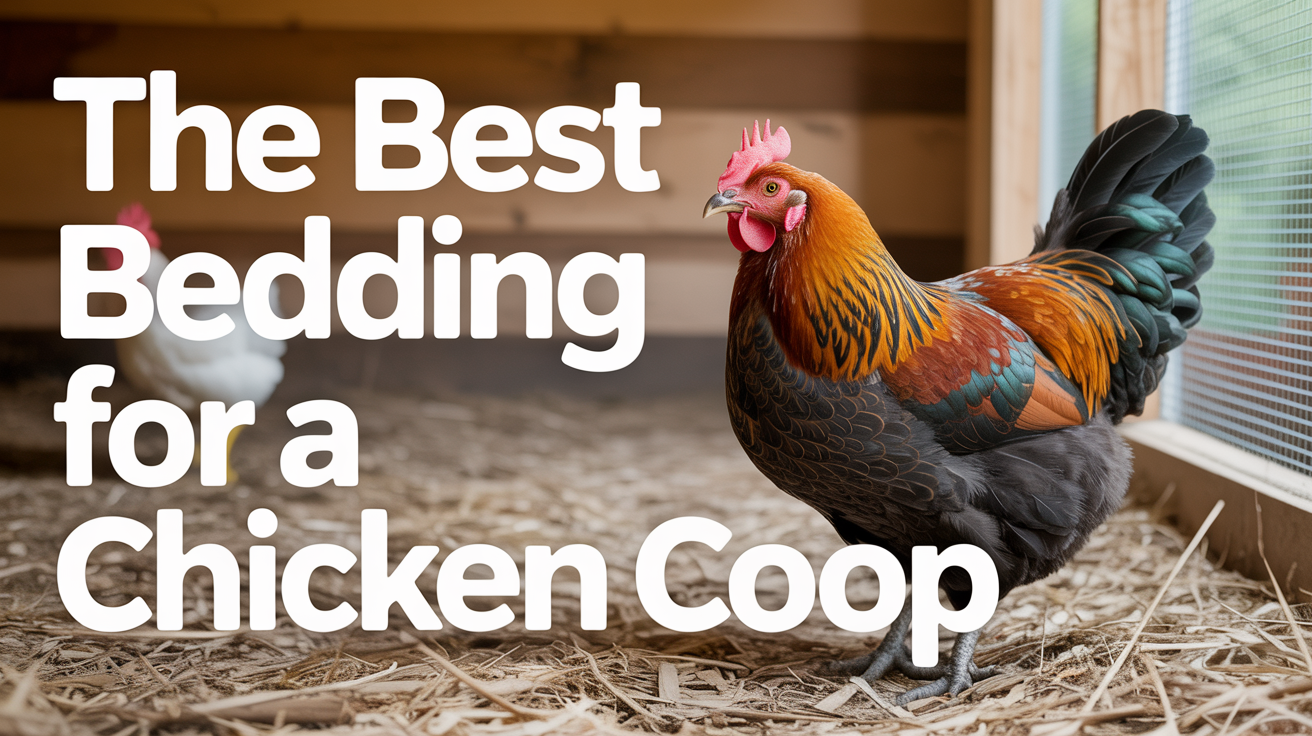
Walk into any feed store and the bedding aisle alone can stall a new keeper for a solid ten minutes. Pine shavings? Straw? Hemp? Sand? Everyone at the counter has an opinion, and most of them contradict each other. The good news: none of these choices is catastrophically wrong, and the best one is usually whatever is cheap, dry, and available where you live. This guide breaks down the real trade-offs so you can make a confident call without overthinking it.
Why Bedding Matters for Your Flock
Bedding does several jobs at once. It cushions the chicken coop floor so birds are not standing on bare wood or concrete all day. It absorbs moisture from droppings, which is the main driver of ammonia buildup. And it gives chickens something to scratch in, which keeps them occupied and supports natural foraging behavior.
Get the bedding wrong and the consequences show up fast. Wet, compacted litter releases ammonia that irritates respiratory tissue and sets up eye infections. Damp floors also invite Marek's disease and coccidiosis to spread more easily. On the flip side, deep, well-managed litter actually builds a mild microbial heat source in winter and keeps harmful bacteria suppressed through competition. The difference between those two outcomes is mostly moisture control, not which specific material you pick.
Before choosing a litter, it helps to know how big your coop needs to be and whether ventilation is adequate. A well-ventilated coop with the right square footage will keep any reasonable bedding drier and more manageable for longer.
Pine Shavings: The Reliable Default
Large-flake pine shavings are what most experienced keepers land on after trying everything else. They are absorbent, light enough to rake and fluff easily, and break down well in a compost pile once you clean out the coop. The texture is open enough that droppings sift down rather than sitting on top, which slows the surface from turning wet.
A few things to know before you fill your coop with them:
Use large flakes, not fine sawdust. Fine wood dust is a respiratory irritant and compacts into a damp mat almost immediately. Bags labeled "bedding shavings" or "horse bedding" generally have the right flake size. Sawdust from a workshop or lumber mill is not the same product.
Avoid cedar. Cedar shavings smell pleasant, but the aromatic oils that make them smell good are irritants for poultry respiratory systems. Cedar is fine for some other animals but not a good fit for a chicken coop.
They are not free. Depending on where you live, a compressed bale of pine shavings runs a few dollars per bag. If you have a large flock or do frequent full cleanouts, costs add up. That said, they are widely available at feed stores, farm co-ops, and even some pet stores.
Pine shavings work well in both the main floor and nesting boxes. For nesting boxes, some keepers prefer a shallower layer of finer shavings so eggs do not roll and disappear, but a generous handful of the standard product works fine.
Straw: Cheaper, But Watch the Moisture
Straw is the traditional litter for chicken coop floors, and it is still a reasonable choice if you manage it carefully. It is often less expensive than pine shavings, especially in rural areas where bales are easy to source. Chickens enjoy scratching through it, and it provides good insulation in winter.
The catch is moisture. Straw is a hollow-stemmed material, which means it wicks moisture inward and holds it there. Once it gets damp, it mats down quickly and does not dry out easily. In a tight coop with modest ventilation, that trapped moisture accelerates ammonia buildup and mold growth faster than shavings would under the same conditions.
If you use straw, plan on turning and fluffing it more often than you would shavings. Remove wet patches before they spread. In a well-ventilated, dry environment with a modest flock, straw can work well for months. In a humid climate or a closed-up winter coop, it can sour within days.
One more distinction: hay is not the same as straw. Hay is dried grasses cut for animal feed; it holds far more moisture, molds readily, and can be a vector for respiratory pathogens. If you are buying from a farm stand, confirm you are getting straw (the dried stalks after the grain has been harvested), not a feed hay.
Pine Shavings vs Straw: A Direct Comparison
| Factor | Pine Shavings | Straw |
|---|---|---|
| Moisture absorption | High | Moderate |
| Dries out after getting wet | Yes, if turned | Rarely |
| Ease of raking | Easy | Moderate |
| Cost | Moderate | Often lower |
| Availability | Feed stores, pet stores | Farm suppliers, rural areas |
| Composting | Breaks down well | Breaks down, but slower |
| Odor control | Good | Fair in dry conditions |
For most keepers starting out, pine shavings are the lower-maintenance option. Straw is worth considering if cost is a significant factor and you have a dry, well-ventilated setup, or if you live somewhere that straw is available in bulk at low cost.
Other Bedding Options Worth Knowing About
A few alternatives come up regularly in keeper conversations:
Hemp bedding is highly absorbent, low-dust, and decomposes well. It is popular in regions where it is produced and priced competitively. Where available, it is a solid choice. Where it has to ship long distances, cost becomes a barrier.
Sand works differently from the others. Rather than absorbing moisture, it lets droppings dry out quickly on the surface, where they can be scooped like a cat box. Sand floors are easy to clean and do not harbor bacteria the way wet organic litter can. The trade-offs: sand is heavy to install and replace, offers no insulation in winter, and may not suit very cold climates without supplemental heat. Use coarse construction sand, not fine beach sand or play sand, which packs tightly and does not drain.
Shredded paper is free if you have a cross-cut shredder, but it compacts into wet sheets quickly and provides minimal odor control. Newspaper ink used to be a concern, but most modern newspaper ink is soy-based. Shredded paper is fine as a temporary filler but is not a long-term primary bedding.
Rubber mats or droppings boards are not bedding per se but are worth mentioning. Placing a droppings board under the roost bar and scraping it daily removes the largest concentration of manure before it can affect the litter below. A clean droppings board meaningfully extends how long your main bedding stays usable.
Managing the Chicken Coop Floor Day to Day
Whichever litter you choose, a consistent routine matters more than the product itself. Here is a simple approach:
Daily: Glance at the coop when you collect eggs. Remove any obviously wet patches near waterers or under roosts. If you have a droppings board, scrape it.
Weekly: Fluff and turn the bedding with a rake or pitchfork. This aerates the litter, exposes damp lower layers so they can dry, and keeps the beneficial microbial activity going in a deep litter setup.
As needed: Add a fresh layer of bedding on top of existing litter ("top dressing") rather than doing a full cleanout every time. This is the basis of the deep litter method, which works well in dry climates and well-ventilated coops. The composting action in the lower layers produces a small amount of heat and suppresses pathogens when managed well.
Seasonally or twice per year: Do a full cleanout. Remove all litter, scrape and let the floor dry, optionally apply a light dusting of food-grade diatomaceous earth or agricultural lime (not hydrated lime, which is caustic), then start fresh. The removed litter goes directly to the compost pile and makes excellent garden amendment.
If your coop is still in the planning stage, walking through how to build a chicken coop can help you think through floor material and drainage before you start buying bedding.
Frequently Asked Questions
How deep should chicken coop bedding be? A minimum of 3 to 4 inches gives birds enough material to scratch and allows for some moisture buffering. If you are running a deep litter system, you can build up to 6 inches or more over the season. Thinner layers compact and wet out faster, which defeats the purpose of using litter in the first place.
How often should I completely change the bedding? Most keepers do a full cleanout twice a year, in spring and fall. In between, top-dressing and weekly turning keeps conditions acceptable. If you notice persistent ammonia smell at bird-height (crouch down to check), wet clumps forming faster than you can remove them, or any signs of mold, do a full cleanout sooner regardless of the schedule.
Can chickens get sick from their bedding? Damp, poorly managed litter is a genuine welfare concern. Ammonia fumes from wet droppings cause chronic respiratory irritation. Wet litter also encourages coccidiosis oocysts to mature and spread. Moldy feed or moldy straw can produce aflatoxins. None of these are inevitable with any particular bedding type; they are the result of moisture building up unchecked. If birds are showing eye discharge, wheezing, or lethargy, consult a poultry veterinarian rather than trying to diagnose from a guide like this one.
Is sand better than shavings? Neither is universally better. Sand is easier to spot-clean and dries quickly, but it provides no insulation and is heavy to install. Shavings are more insulating and easier to manage in cold climates. Some keepers use sand in a covered run and shavings inside the coop; others use shavings throughout. Both work when managed consistently.
What should I put in nesting boxes specifically? Pine shavings work well in nest boxes. Some keepers prefer dried herbs like lavender or a handful of straw for the tactile appeal chickens seem to have for nest-building behavior. The main goal is a clean, dry cushion about 3 inches deep. Replace nesting box material more frequently than main floor litter, since eggs and hens sitting to lay can soil it quickly.