Chicken Breeds
The Best Chicken Breeds for Kids and Families
Looking for friendly chickens for kids? These docile chicken breeds are calm, easy to handle, and a great fit for a family backyard flock.
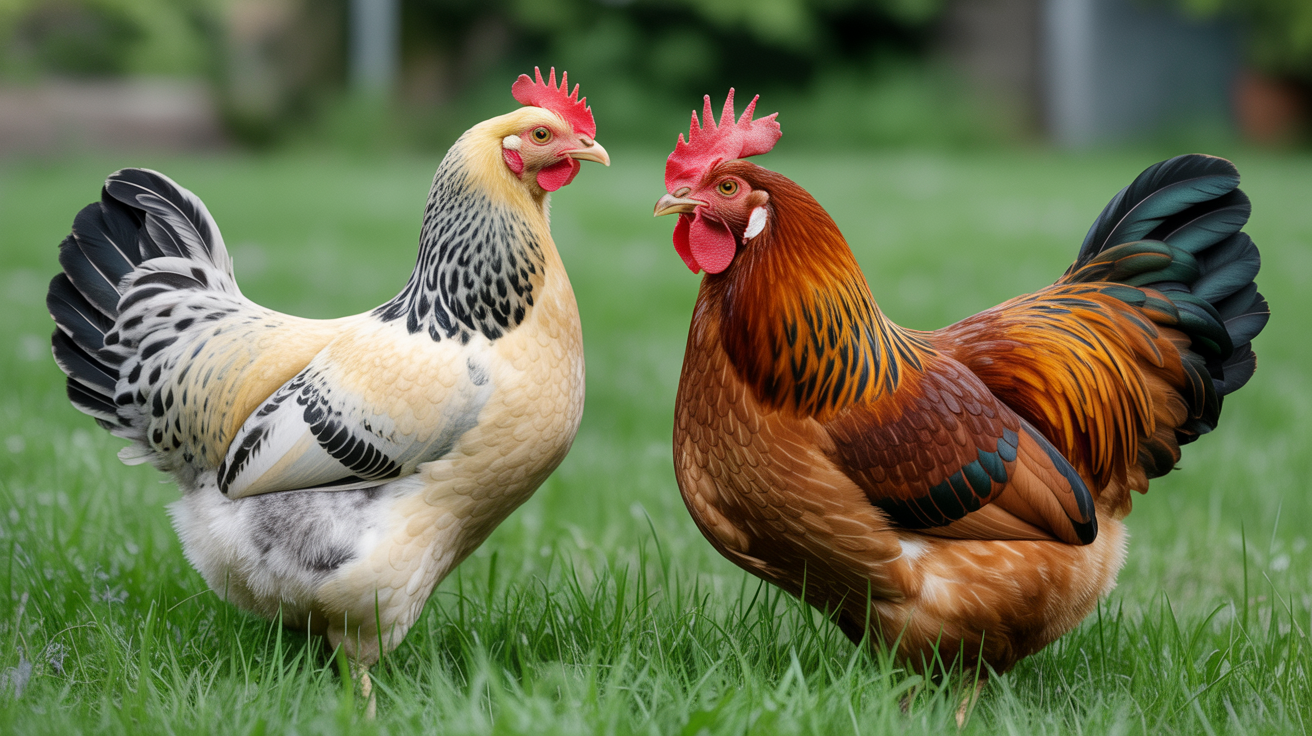
Choosing chickens for a household with children is a little different from choosing a flock for eggs alone. Temperament matters as much as production. A hen that flattens herself against the wall every time someone reaches into the run is miserable, and a rooster that spurs a seven-year-old will sour the whole backyard-chicken experiment overnight.
The good news is that several breeds have been selected for gentleness over many decades, and their reputations hold up in everyday flocks. This guide walks through the breeds that consistently earn high marks from families, explains what to look for beyond the breed label, and flags a few situations where you should loop in a poultry vet or your local agricultural extension office rather than troubleshoot on your own.
If you are still picking a first breed and want a broader starting point, see our overview of the best chicken breeds for beginners.
What Makes a Breed Good for Families
"Family-friendly" is not a single trait. When keepers use the term they usually mean a combination of things:
Tolerates handling. A hen that crouches when you reach for her is called "easy to catch" for a reason. Breeds that were developed as lap birds or show birds often habituate to handling faster than flighty utility breeds.
Low aggression toward people. Roosters of certain breeds are notoriously territorial. For a flock with young children, hens-only is often the right call unless you have a rooster known for calm behavior.
Curious rather than skittish. Chickens that walk toward you rather than scatter are easier for kids to interact with and to observe without chasing.
Moderate energy level. High-energy Mediterranean breeds like Leghorns are excellent layers but can be flighty and reactive. Heavier, dual-purpose breeds tend to be calmer and move more deliberately.
None of this means a friendly breed will be friendly by default. Handling frequency starting in the first few weeks of life makes an enormous difference. Chicks that are picked up gently and often grow into hens that accept contact. A Buff Orpington raised in a tractor with no human contact will be harder to handle than a Leghorn that was hand-raised from day one, though the Orpington will likely still come around faster.
Breeds Worth Considering
Buff Orpington
The Buff Orpington shows up on nearly every "calm chicken breeds" list, and for good reason. The breed was developed in England in the late 1800s as a heavy dual-purpose bird, and the selection for size and docility over generations produced hens that are notably unhurried and tolerant. They are large enough that even a small child can hold one without the bird panicking at the unfamiliar grip. They lay a decent number of brown eggs per year, and they tend to go broody, which can be a genuine teaching moment for children curious about hatching.
One caveat: their fluffy feathering means they feel heat more than leaner breeds. If your summers are hot, make sure shade and cool water are always available.
Silkie
Silkies are the breed people describe as "puppies in chicken form," and it is not far off. They are small, calm, and almost uniquely tolerant of cuddling. Children who might be nervous around a full-sized hen often take to Silkies immediately because of the size and the soft feathering.
Their practical limitations are real: they lay fewer eggs than most breeds and their unusual feathering makes them prone to getting wet and cold in bad weather. They also cannot see well when their crest feathers grow over their eyes, which can make them targets for bullying in a mixed flock. If you keep Silkies with larger breeds, watch the pecking order dynamics closely.
Silkies consistently rank as some of the most friendly chickens for kids precisely because of their calm temperament and manageable size.
Australorp
The Australorp was developed in Australia from Black Orpington stock, and it kept the Orpington's calm temperament while improving on laying ability. A well-raised Australorp hen is typically composed, curious, and receptive to handling. The breed holds a laying record from the early 1900s that still gets cited, though modern Australorps vary in production depending on the strain.
They are one of the better all-around choices if you want a flock that children can interact with and that also produces a steady egg supply. If laying productivity is a priority alongside temperament, the best egg-laying chicken breeds guide covers the full production picture.
Sussex
The Speckled Sussex and Light Sussex are both known for inquisitive, friendly temperaments. They tend to follow people around the yard, investigate interesting objects, and settle into a routine quickly. The Speckled Sussex in particular is a striking bird that children often find appealing. Sussex hens lay well and handle a range of climates reasonably.
Cochin
Cochins are heavy, feather-footed birds bred largely for exhibition, and their placid disposition is part of what made them popular in the show ring. They do not lay at the rate of utility breeds, but they are genuinely calm and tolerant of handling. If you have a child who wants to carry a chicken around or bring one to a 4-H fair, a Cochin is a sensible choice.
The feathered feet require a bit more attention in wet or muddy conditions since dirt and moisture can collect around the foot feathers and cause problems.
Rhode Island Red
The Rhode Island Red is a workhorse breed that earns its place on this list through solid temperament in most strains, though with more variability than the breeds above. Production-bred RIRs can be assertive and competitive at the feeder. Heritage-type Rhode Island Reds tend to be calmer. If you source from a hatchery, ask specifically about temperament, or buy from a breeder who handles their birds regularly.
They lay well and are hardy across most climates, which makes them attractive for families who want eggs alongside a manageable flock.
Practical Tips for Families Getting Started
Let children participate in chores from day one. Kids who help fill the waterer and scatter scratch become familiar presences to the flock. Chickens that recognize a child's movements and sounds are calmer around them than birds that only see adults.
Teach gentle handling early. Show children how to approach slowly, scoop from below, and hold the wings against the body. A hen that is dropped once or grabbed roughly will remember it. Practice on calm adult birds before handing a child a nervous pullet.
Keep the flock size appropriate. A backyard flock of four to six hens is easier to manage than a larger group, and children can learn the individual birds more easily. Named birds with known personalities are far more engaging than an anonymous group.
Reconsider roosters for now. Even calm breeds can produce assertive roosters. Unless you have a specific reason to keep one, a hens-only flock removes the risk entirely while children are young. If a rooster does become aggressive, contact a local poultry keeper or extension office rather than waiting to see if the behavior settles down.
Know when to call for help. For any bird showing signs of illness, injury, or unusual behavior, a poultry veterinarian or your local agricultural extension office is the right first call. General guidance does not substitute for an in-person evaluation of a sick bird.
For families in colder regions, the temperament conversation intersects with cold hardiness. The cold-hardy chicken breeds for northern climates guide covers which breeds manage winter well, and several of the calm breeds above appear there too.
Frequently Asked Questions
At what age can children start handling chickens?
Children of any age can participate in chicken keeping with appropriate supervision. Toddlers and younger children do best with adult oversight during handling to protect both the child and the bird. By school age, most children can learn to handle a calm hen safely with some coaching on technique. The key is starting with a calm breed and practicing with adult birds before letting a child handle young or flighty birds on their own.
Are roosters ever safe around children?
Some roosters are calm and manageable. Others are not, and rooster aggression can escalate quickly and without obvious warning. For families with young children, the cautious approach is a hens-only flock. If you do keep a rooster, watch his behavior closely and do not leave young children alone with the flock. If he shows any signs of charging or spurring, that behavior is unlikely to stop on its own.
Can a child be allergic to chickens?
Yes. Chicken dander, feathers, and the dust from bedding can trigger respiratory symptoms or skin reactions in sensitive individuals. If a child develops persistent coughing, sneezing, or skin irritation after spending time with the flock, see a doctor. Wearing a dust mask during coop cleaning is a reasonable precaution for anyone with respiratory sensitivities.
How do I introduce a new hen to a flock my kids are attached to?
Add new birds gradually and use a separation pen so the existing flock can see the newcomer without direct contact for a week or two. Merge them when the flock has adjusted to the presence of the new bird. Explain to children that some pecking order sorting is normal, but watch for sustained bullying that prevents a bird from eating or drinking, which is worth addressing.
What if a hen becomes aggressive as she gets older?
True aggression toward people in hens is less common than in roosters but does happen, particularly in broody hens protecting a nest. Broody aggression usually passes once the broody period ends. Persistent, unpredictable aggression toward children is a welfare and safety concern worth discussing with a poultry vet or experienced keeper, since it sometimes signals an underlying health issue.