Coops & Housing
How to Clean and Sanitize Your Chicken Coop: A Step-by-Step Routine
A practical keeper-to-keeper guide to spot cleaning, deep cleaning, and sanitizing your chicken coop -- with chicken-safe products and bedding tips.
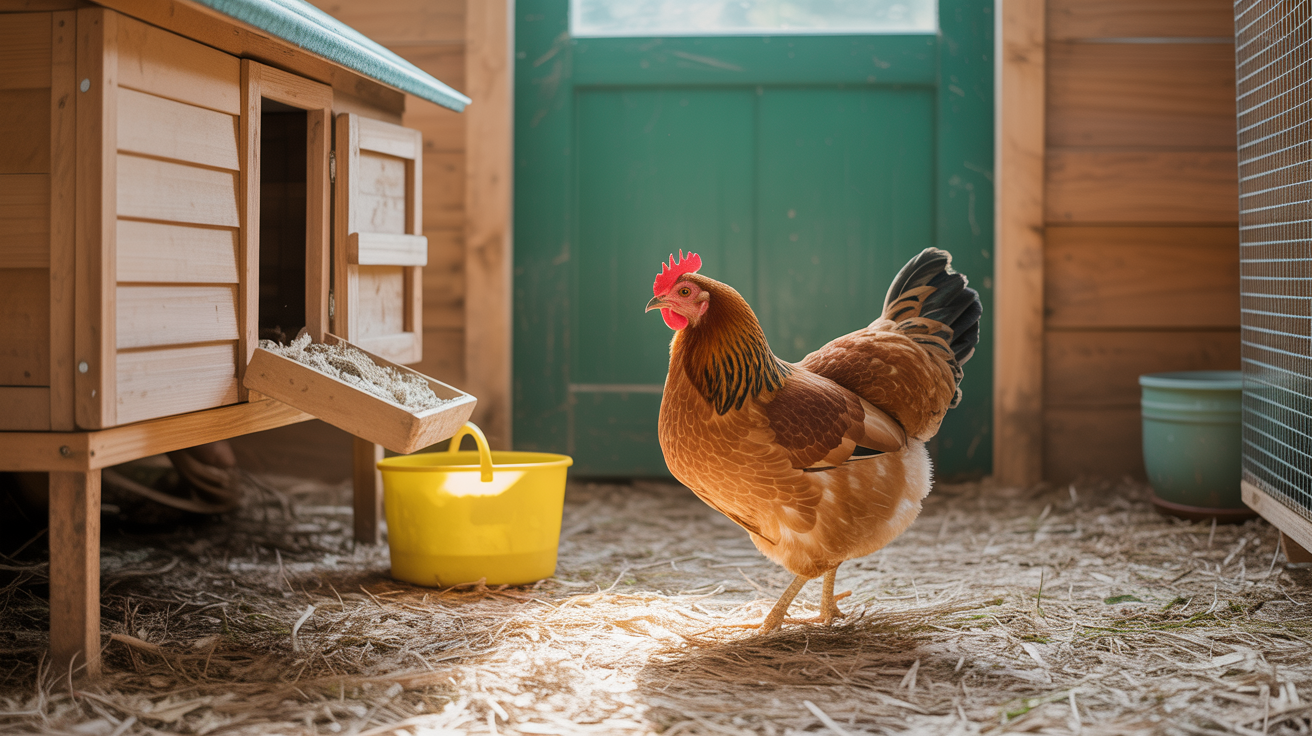
A coop that smells faintly of fresh bedding and dry earth is a healthy coop. One that hits you with a sharp ammonia sting the moment you open the door is telling you something is wrong. Ammonia irritates chicken respiratory tissue long before it bothers you, so if you can smell it at the door, your birds have been breathing it at roost height for days.
The good news is that keeping a coop genuinely clean does not require hours of scrubbing every week. It comes down to separating two different tasks: the quick daily or weekly maintenance pass, and the thorough seasonal deep clean. Get both right and you will spend less total time cleaning, your birds will stay healthier, and you will catch small problems before they become expensive ones.
Why Coop Hygiene Matters for Flock Health
Manure accumulation creates more than a smell problem. Wet droppings under roosts raise humidity, which feeds mold and respiratory bacteria. As bedding breaks down, ammonia gas rises, and sustained exposure can damage a chicken's air sacs and make them far more vulnerable to secondary infections like mycoplasma or aspergillosis.
Mite and lice populations also cycle through bedding and cracks in wooden roosts. A clean, dry environment does not eliminate these pests entirely, but it removes the damp habitat they thrive in and makes infestations easier to spot early.
Good chicken coop ventilation works hand in hand with cleanliness. Airflow pulls moisture and ammonia out of the coop continuously, which means a well-ventilated space stays fresher between cleanings and dries out faster after you wash it down. If you are cleaning more often than feels reasonable and still fighting ammonia, ventilation is usually the underlying issue, not the cleaning schedule itself.
On the biosecurity side, thorough sanitation between flocks, after any disease event, or before introducing new birds limits the survival time of pathogens like Marek's disease virus, salmonella, and coccidiosis oocysts in your coop environment. Regular cleaning is your first line of defense before you ever reach for a vaccine or medication.
Your Weekly Spot-Cleaning Routine
Most keepers find a quick pass two or three times a week, combined with a slightly longer weekly session, keeps things under control between deep cleans.
Daily or every other day:
- Remove droppings from under the roost. A dedicated droppings board under the roost bars (a simple tray lined with PDZ, stall fresh, or a thin layer of sand) makes this a two-minute job. Scrape or scoop it into a bucket and add to your compost pile.
- Check water and food for contamination. Chickens scratch bedding into both, and damp feed goes moldy fast.
- Glance at nesting boxes. Eggs left in soiled nests pick up bacteria through the shell. Pull out any obviously wet or very dirty nest material and replace it.
Once a week:
- Do a thorough nesting box refresh. Remove all the old material, check corners for mites (look for tiny red or grey dots clustering in crevices), add fresh bedding, and run your hand along the underside of the nest ledge.
- Rake or turn the coop floor bedding to aerate it. Top up any thin spots. A good 4-inch layer of dry material manages moisture far better than a thin one.
- Inspect roost bars. Scrape off any caked droppings with a putty knife or dedicated roost scraper. This is also a good time to look at the birds roosting at dusk and check for any unusual posture, puffing, or nasal discharge.
For the floor, whether you run a full litter change every week or stretch it out using a deep litter method depends on your setup, flock size, and how your coop is ventilated. Both approaches can work well when managed correctly.
Deep Cleaning Your Coop Step by Step
Schedule a deep clean at least twice a year: once in early spring after winter, and once in late summer or early fall before cold weather closes the coop back up. If you have had a disease outbreak or are bringing in new birds, do one before that change happens regardless of the calendar.
What you need:
- Stiff-bristle brush and a dedicated coop scraper
- Garden hose or pressure washer (low setting)
- Bucket and scrub brush
- Chicken-safe disinfectant (see next section)
- Gloves, dust mask, and old clothes you will wash separately
Step 1: Move the birds out. Confine the flock in their run while you work. This keeps them out of cleaning chemicals and prevents them from scratching through wet surfaces.
Step 2: Remove everything. Pull out all bedding, nesting material, feeders, and waterers. Bag the old bedding for composting or disposal depending on your situation. If you have had respiratory illness or mite issues, bag and dispose of rather than composting.
Step 3: Dry scrub first. Before any water goes in, use your brush and scraper to knock loose dried manure, cobwebs, and debris from walls, roost bars, nest box surfaces, and corners. Wear your dust mask here, as dried droppings carry pathogens that become airborne when disturbed.
Step 4: Wash down surfaces. Rinse walls, floor, roost bars, and nest boxes with water. A hose works fine; a low-pressure setting on a washer speeds it up without forcing water into wall seams where it stalls and molds. Scrub nesting boxes and roost bars with your brush and hot water.
Step 5: Apply disinfectant. Let the disinfectant dwell on surfaces for the contact time listed on the label. Do not rush this step. Wipe or rinse off per the product instructions, then open everything up for full airflow.
Step 6: Dry completely before rebedding. This is the step most people skip when they are in a hurry, and it matters. A damp floor under fresh bedding creates exactly the moist environment you just cleaned to eliminate. On a sunny day with good airflow, a well-ventilated coop dries in a few hours. On a cloudy or cold day, give it more time.
Step 7: Clean feeders and waterers separately. A 10-minute soak in a diluted white vinegar solution (roughly one part vinegar to nine parts water), followed by a scrub and rinse, handles most buildup without chemical residue. Let them air dry before refilling.
Step 8: Add fresh bedding and return birds. The right bedding choice makes a real difference in how long your coop stays clean between deep cleans. Materials that absorb moisture well and allow composting microbes to work reduce the frequency of full strip-outs.
Chicken-Safe Cleaning Products
Not every effective cleaner is safe around poultry. Here is what generally works and what to watch out for.
Safe options:
- White vinegar (diluted): Good for waterers and mineral buildup on surfaces. Mildly acidic but not a disinfectant against most pathogens on its own.
- Agricultural lime (hydrated lime): Dusted on the dry floor before rebedding, it raises pH and discourages bacterial and parasite survival. Use sparingly and keep birds out until dust settles.
- Oxalic acid-based cleaners: Used by many keepers for mite treatment in cracks and joints. Follow label directions for poultry applications.
- Quaternary ammonium compounds (quat-based disinfectants): These are the category most commercial poultry disinfectants fall into. Effective against a broad range of pathogens when used at correct dilution. Let surfaces dry fully before birds return.
- Bleach (sodium hypochlorite, highly diluted): One tablespoon per gallon of water works as a surface disinfectant. It breaks down quickly once applied, so dry time makes it safe. Never mix bleach with vinegar or ammonia-containing cleaners.
What to avoid:
- Pine-based cleaners and phenolic disinfectants (like Pine-Sol): Toxic to poultry at concentrations commonly used for household cleaning.
- Essential oil-heavy sprays: Tea tree oil is specifically toxic to birds.
- Undiluted bleach: Fume exposure in a closed coop is dangerous for birds.
If you are unsure whether a product is appropriate, your local agricultural extension office is a genuinely useful resource and usually free to contact.
When to Replace Bedding vs. Top It Up
The most common beginner mistake is replacing bedding too often out of anxiety rather than actual need, which gets expensive and time-consuming fast. The other common mistake is leaving it far too long, which costs flock health.
A few simple checks tell you where you actually stand:
- Smell test: Fresh or earthy smell means the bedding is still functional. A strong ammonia or sour smell means it is saturated beyond recovery. Topping up over wet, ammonia-heavy bedding just buries the problem.
- Moisture check: Push your hand or a stick down to the floor level. If the base layer is damp or clumped, it needs replacing. If the base is dry and loose and only the surface is soiled, a top-up and a rake-through is fine.
- Visual mold check: Any visible mold growth, especially in corners or where water has gotten in, means a full strip-out regardless of smell. Mold spores are a serious respiratory hazard for chickens.
In dry climates with good ventilation and modest flock density, a full strip-out every 8 to 12 weeks is often enough. In wet climates, smaller coops, or with larger flocks relative to space, you may need to go more often. Your coop will tell you, if you check it regularly.
Frequently Asked Questions
How often should I do a full deep clean?
Twice a year is the minimum for most setups: once in spring and once in late summer or fall. If you have a smaller coop, a large flock, or a wet climate, three or four times a year may be more realistic. After any confirmed illness, do a full clean and disinfect before the coop is used again.
Can I use bleach in a chicken coop?
Yes, at a very low dilution (roughly one tablespoon per gallon of water) on hard surfaces. The key is making sure the coop is fully ventilated and dry before birds return. Never use bleach at household cleaning concentrations around birds, and never mix it with other cleaners.
What should I do about red mites in the coop?
Red mites live in cracks and crevices during the day and feed on birds at night. A thorough deep clean followed by an approved acaricide treatment in joints, under roost ends, and in nest box corners addresses most infestations. Repeat treatment is usually needed because mite eggs survive the first pass. If you keep finding them despite cleaning, check your roost bar construction: round bars with no hollow ends and no gaps where they meet the wall give mites far fewer hiding places. If your birds seem lethargic or you notice pale combs alongside a mite infestation, get a veterinary opinion.
Is there a chicken-safe disinfectant for the whole coop?
Diluted quaternary ammonium products labeled for poultry use are the most widely available option and work well when you follow the contact time and dilution on the label. Virkon S is another product often used in small flock settings. Whatever you use, read the label for poultry-specific guidance, and make sure surfaces dry before birds go back in.
My coop still smells like ammonia right after cleaning. What am I missing?
If the smell returns quickly after a full clean, look at ventilation first. Ammonia off-gases from any manure, and if the airflow in your coop cannot carry it out, it will build up regardless of how clean the bedding is. A coop that feels stuffy or damp in winter is almost always under-ventilated. More open ridge ventilation or additional vents near the roofline will do more to control ammonia than any cleaning schedule change.